-300x300.jpg)
Description
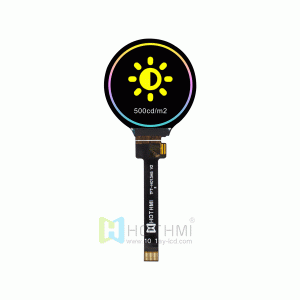
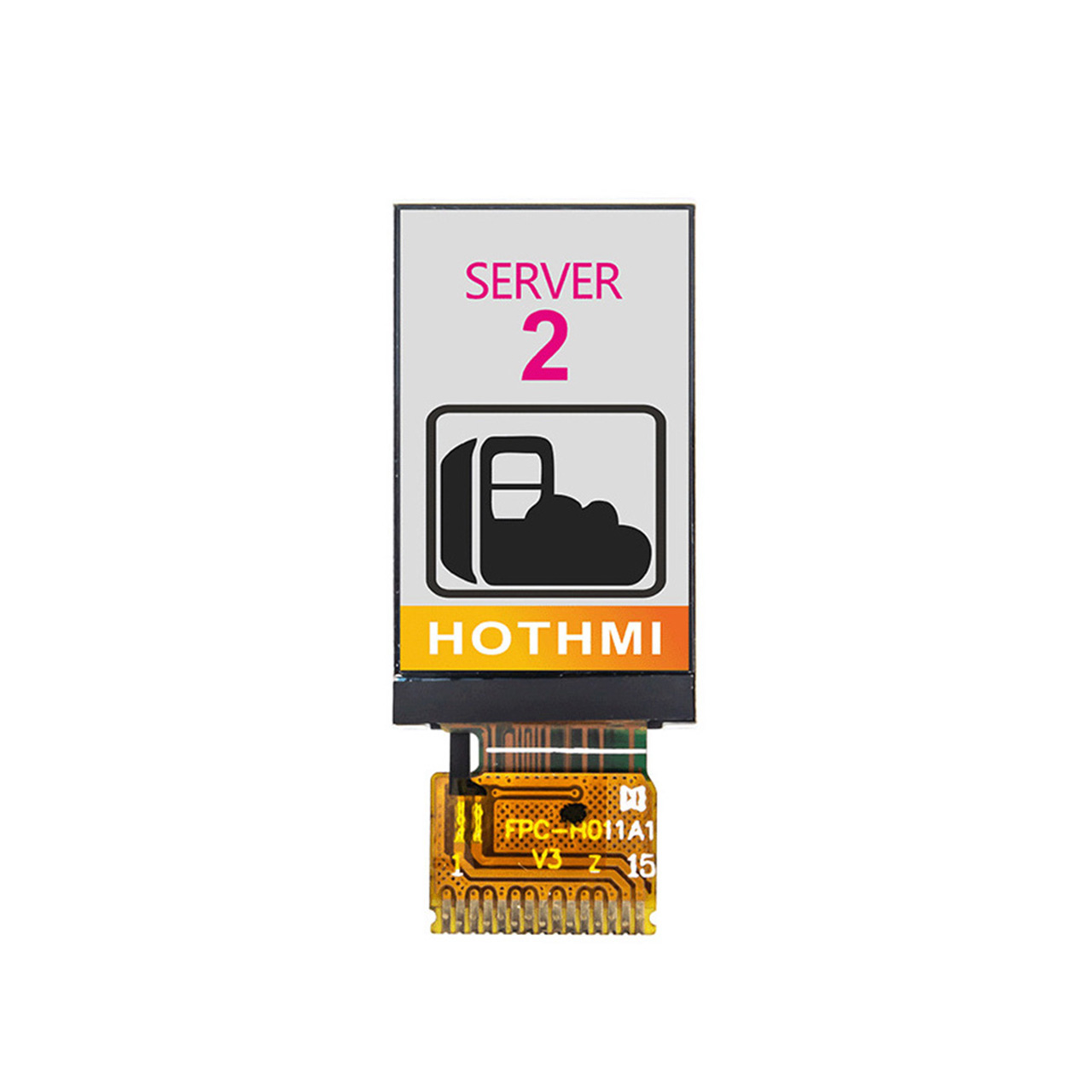
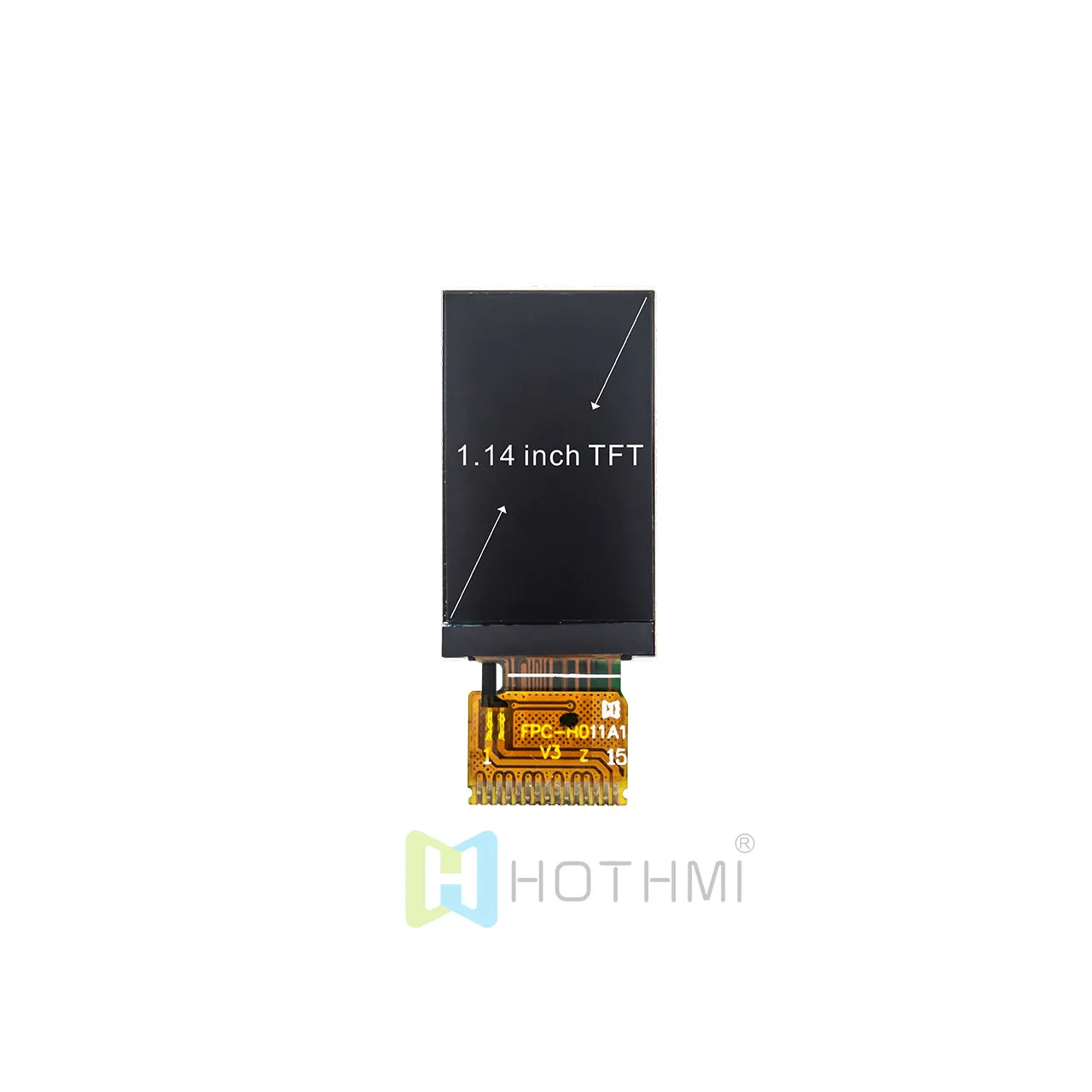
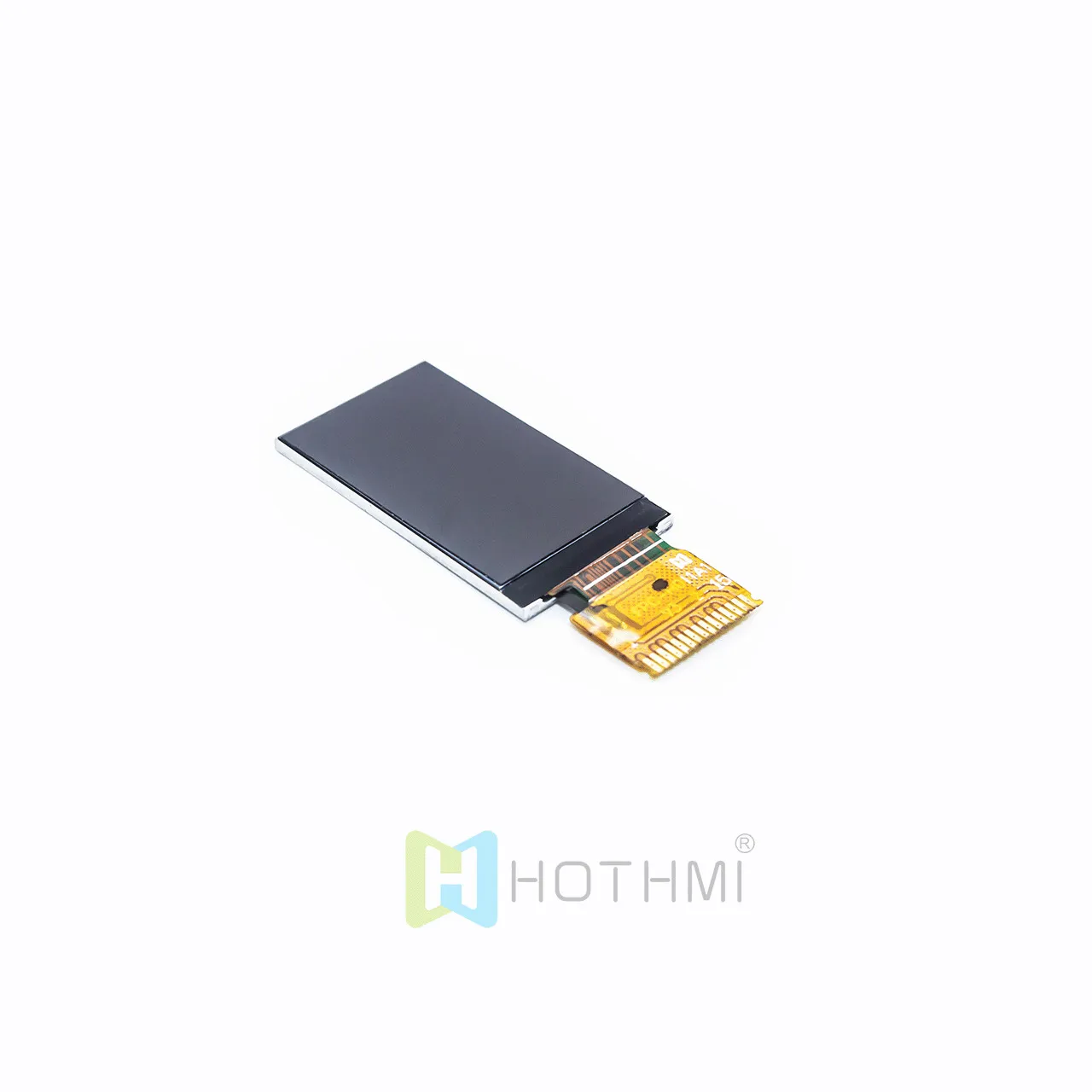
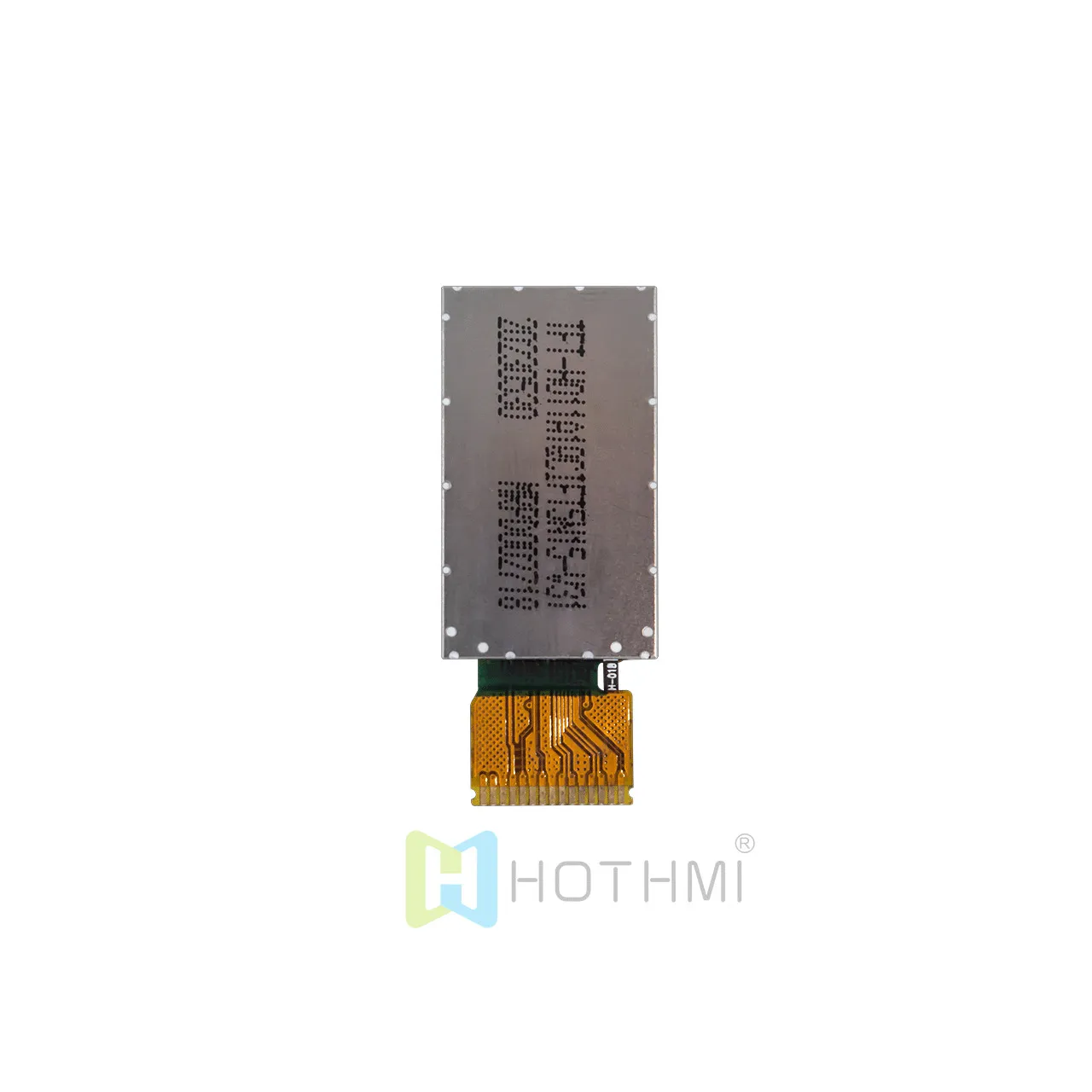
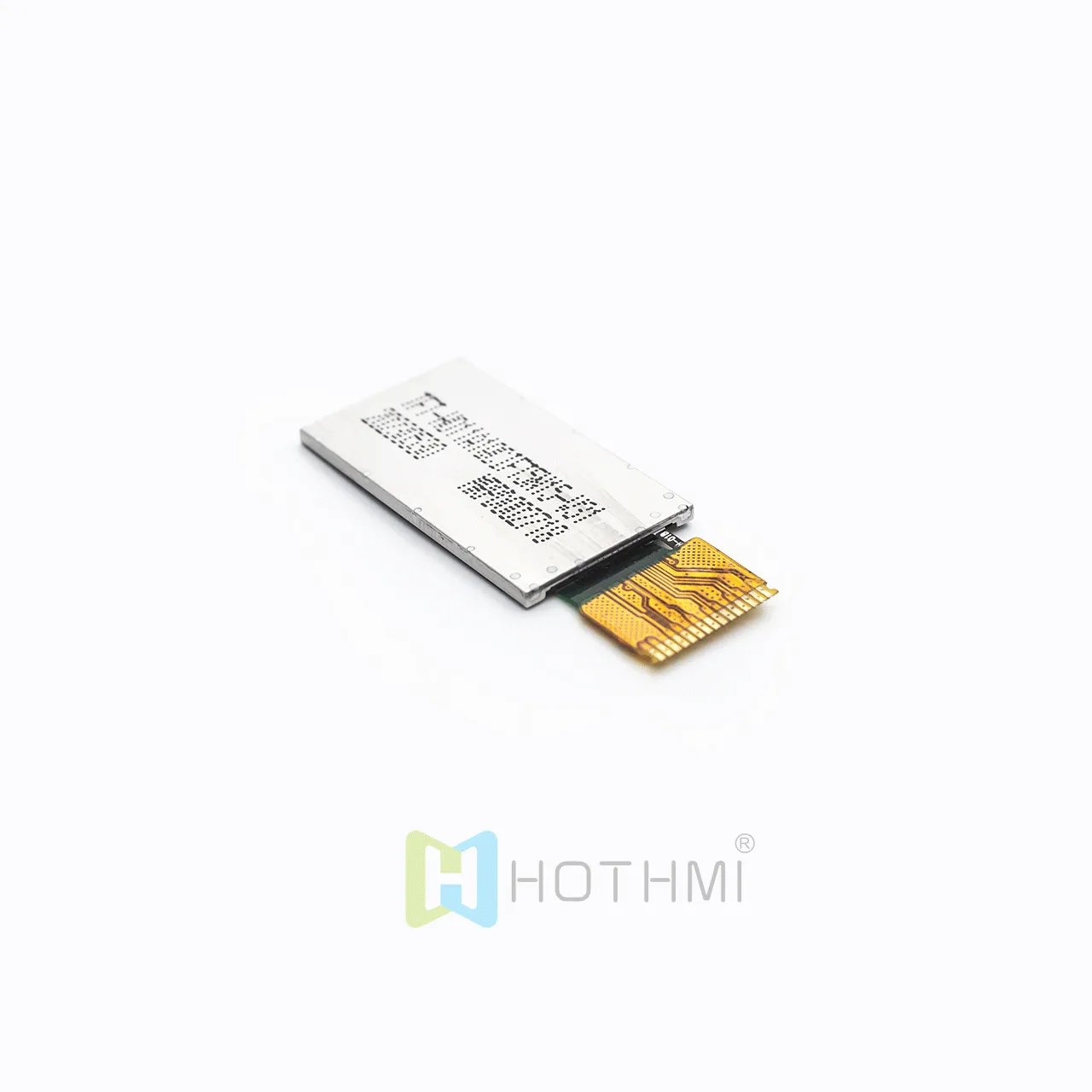
1.1 inch bar TFT LCD display module 135×240 dsi display with JD9852
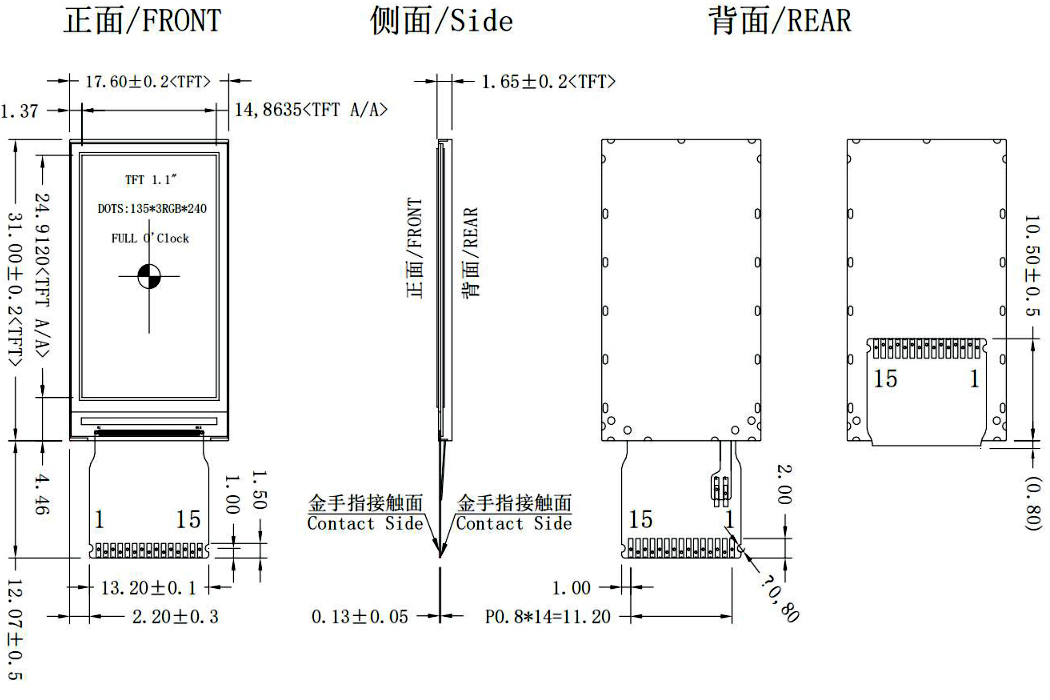
This module features a 135×240 pixel resolution, with an AA of 14.86mm x 24.91mm and an ultra-slim module outline of just 17.60mm x 31.0mm x 1.65mm. It integrates a high-performance JD9852 driver controller and utilizes a MIPI dsi display interface for data transmission, ensuring smooth, high-definition image quality even at this resolution. As a compact dsi display, it delivers exceptional performance. With a high brightness of 500 cd/m² and IPS full-viewing-angle technology, this dsi display delivers clear, detailed, and vibrant images whether indoors under strong light or outdoors in sunlight.
Compared with other models in the same series, this 1.1 inch bar TFT LCD display model has a MIPI interface, supports larger data transmission, and has a brightness of 500nit, which can be seen in the sun. If the user needs, we can also provide customized FPC. This model of 1.1-inch bar TFT LCD screen does not have a driver board. At the same time, we also provide users with the same series of driver module combination HTM-H011A1-SPI-V0, and the same size model TFT-H011A1QCIST3N10with SPI interface.
Core Highlights: Why Choose TFT-H011A1QCIFT5N15?
- Unique Bar-Type Design with IPS Full Viewing Angle
Achieving a 135×240 resolution on a compact 1.14-inch dsi display results in an exceptionally high pixel density, rendering images with fine detail and no grainy feel. Compared to traditional TN screens, the addition of IPS full viewing angles (80/80/80/80 degrees) ensures no color distortion or brightness degradation from any viewing angle. This is crucial for smart wearables or smart home hub devices where diverse viewing angles are essential, and the dsi display form factor fits perfectly.
- High-Performance MIPI Interface Combined with JD9852
Compared to traditional SPI or MCU interfaces, the MIPI interface on this dsi display offers higher data transmission bandwidth. It easily supports higher refresh rates and richer color depths (65K/262K true colors), resulting in smoother animations and more dynamic UI interactions. Paired with the JD9852 chip, specifically designed for high-performance small-size displays, this combination offers excellent power efficiency.
- Sunlight-Readable High Brightness Design
The 500 cd/m² brightness is another key advantage of this model. A common challenge for many outdoor devices (like dashcams or outdoor smart instruments) is screen content being washed out by strong sunlight. The 500-nit high brightness of the dsi display effectively combats ambient light interference, ensuring content remains clearly visible outdoors.
- Rigorous Industrial-Grade Reliability and ESD Protection
The product operates within a wide temperature range of -20°C to 70°C and can be stored between -30°C and 80°C, adapting to various harsh environments. Notably, this dsi display module boasts 8KV anti-static (ESD) capability, significantly enhancing its survival rate in dry environments or upon human contact, and reducing after-sales failures caused by electrostatic discharge.
Product Applications: More Than Just a Display, a Window for Human-Machine Interaction
- Smart Home Control Panels: Used as status displays on smart switches, thermostats, and smart speakers to show time, weather, temperature, music playback information, etc. The bar-type design of this dsi display integrates perfectly into the sleek, elongated form factor of modern home products.
- Industrial and Instrumentation: Replaces traditional segment code screens in devices like handheld multimeters, laser rangefinders, and gas detectors to display waveforms, numerical values, and units, enhancing the product’s technological appeal.
- Medical and Healthcare Devices: Ideal for portable oximeters, infrared thermometers, and smart wristbands that require a small dsi display capable of showing rich information.
Technical FAQs about 1.1 inch dsi display
Q1: What are the key differences in project selection between this 1.14-inch screen with a MIPI interface and the SPI interface version from the same series (e.g., TFT-H011A1QCIST3N10)?
A: This is a fundamental selection question.
- Bandwidth and Performance: The MIPI dsi display interface (this model) is a high-speed serial interface specifically designed for high-resolution and high-frame-rate video transmission. If your application requires playing smooth video, complex animations, or extremely high refresh rates, the MIPI interface is the necessary choice. While the SPI interface version uses fewer main controller resources and connections, it is slower when transferring large amounts of image data, making it more suitable for static displays or simple UI refreshes.
- Main Controller Resource Requirements: The MIPI interface typically requires the main controller chip to have a dedicated MIPI dsi display hardware interface (common on many ARM Cortex-A series chips, RK motherboards). This uses less CPU resources for refreshing but presents a slightly higher hardware design threshold. The SPI interface is almost universally compatible with all microcontrollers (like STM32, Arduino) but consumes significant CPU time when refreshing images.
- Brightness Difference: It’s noteworthy that this MIPI version offers a brightness of 500 cd/m², whereas the common SPI version typically provides 350 cd/m². If your application is outdoors, the high brightness of the MIPI version provides a distinct advantage.
Conclusion: Choose the MIPI dsi display version for high performance, high brightness, and video playback needs. Opt for the SPI version for simpler, faster development in low-power projects with limited main controller resources.
Q2: Does the 500 cd/m² high brightness lead to excessive power consumption or heating issues in practical applications? How can brightness and power consumption be balanced?
A: This is a core question regarding product engineering design. While 500 cd/m² is indeed a high brightness level, we have considered real-world usage scenarios in our design.
- Dynamic Backlight Adjustment: We recommend that the main controller dynamically adjusts the PWM duty cycle based on data from an ambient light sensor. Just as smartphones have automatic brightness adjustment, we suggest you dynamically adjust the brightness according to the ambient light. For indoor use, 250 cd/m² is perfectly adequate and can reduce backlight power consumption by over 50% while maintaining a clear and bright dsi display.
- Software Control: If your main controller chip supports it, you can write a simple program to enable automatic brightness adjustment. It will automatically increase brightness in strong light and decrease it in dim conditions, saving power and being gentle on the eyes.
- Maximum Brightness for Specific Scenarios: The 500 cd/m² rating is designed for “extreme situations” – such as direct summer sunlight outdoors, where standard screens become completely unreadable. That’s when the maximum brightness of this dsi display is needed.