
What is an TFT LCD monitor?
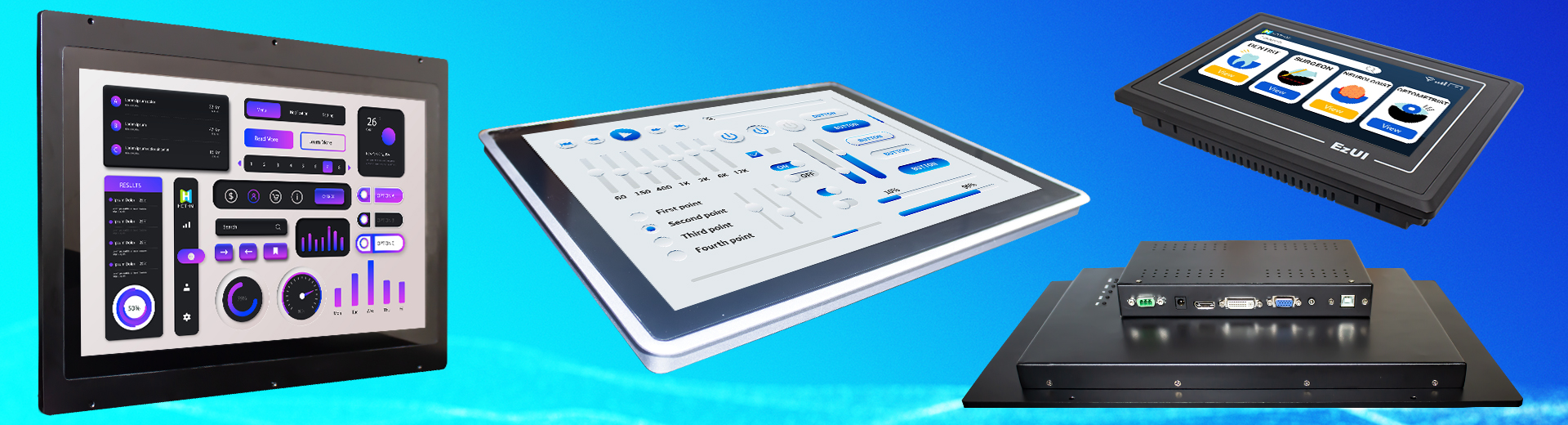
An LCD monitor is a complete display device for end users, integrating an LCD module, power system, signal processing circuitry, mechanical structure, and user interface into a plug-and-play product. In the supply chain, monitor manufacturers add approximately 40-60% of the value after sourcing the LCD module, including electronic system integration, structural design, software development, and quality control, to create the final product.
A complete LCD user monitor is more than just a window displaying images; it is also an information processor with multiple functions such as signal conversion, image optimization, interactive integration, and system protection. This difference in scale directly leads to the significant advantages of LCD monitors in terms of ease of use, reliability, and feature richness.
Showing all 2 results
What services does HOTHMI LCD monitor offer?
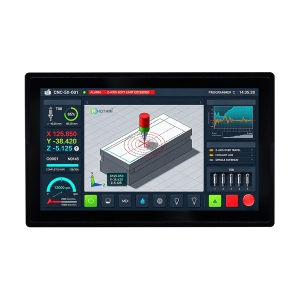
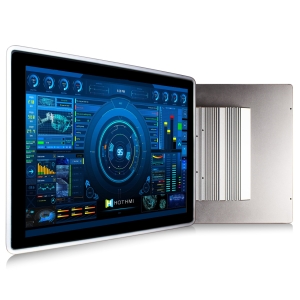
HOTHMI LCD monitors are TFT displays with a housing, which users can customize with metal, plastic, or other materials. In use, users simply embed or install it in the designated location. In terms of configuration, these monitors typically feature capacitive touch, offering options such as optical bonding, air bonding, and in-wall touch. They offer an IPS display with a 178° viewing angle. The product has HD/DP/VGA or USB communication interfaces, is plug-and-play, requires no development, and is compatible with common operating systems such as Windows and Linux. This industrial-grade LCD monitor operates in a temperature range of -20°C to +70°C, demonstrating excellent performance in industrial control systems and medical systems.
What are the core advantages of HOTHMI LCD monitors?
HOTHMI’s LCD displays offer reliable protection in terms of physical properties, environment, functionality, and integration.
- Readiness and Compatibility Advantages:The most significant advantage of the HOTHMI LCD monitor lies in its superior plug-and-play experience. Utilizing EDID (Extended Display Identification Data) technology, the modern monitor automatically negotiates the optimal resolution, refresh rate, and color format with the signal source device, greatly simplifying the setup process. Simultaneously, its multi-interface design ensures broad compatibility with both new and old devices, eliminating user concerns about interface compatibility.
- Image Quality and Performance Optimization:The HOTHMI LCD monitor precisely manages color calibration, supporting multiple color spaces such as sRGB, Adobe RGB, and DCI-P3. It also improves the smoothness of motion scenes through frame interpolation algorithms, variable refresh rates (such as AMD FreeSync and NVIDIA G-SYNC), and overclocking technology. Furthermore, it offers optimized display parameters for different application scenarios (such as sRGB mode, CAD/CAM mode, and medical imaging mode).
- Ergonomics and User Experience: HOTHMI’s LCD monitors feature customizable adjustable stands to help users find the most comfortable viewing posture. By comprehensively considering eye protection technology, split-screen functionality, and multitasking, the user experience of the LCD monitor is continuously improved.
- Ergonomics and User Experience: HOTHMI’s LCD monitors feature customizable adjustable stands to help users find the most comfortable viewing posture. Reliability and After-Sales Service: HOTHMI not only provides high-quality and reliable LCD monitors, optimizing overall heat dissipation design, ensuring power circuitry, and preventing pixel defects, but we also place great emphasis on after-sales service. This includes warranty service, technical support, driver downloads, and firmware updates.
LCD module and LCD monitor selection guide
LCD modules and LCD monitors differ significantly in terms of technical architecture, performance, and integration. The choice should be based on the specific needs of your project, selecting the most suitable solution.
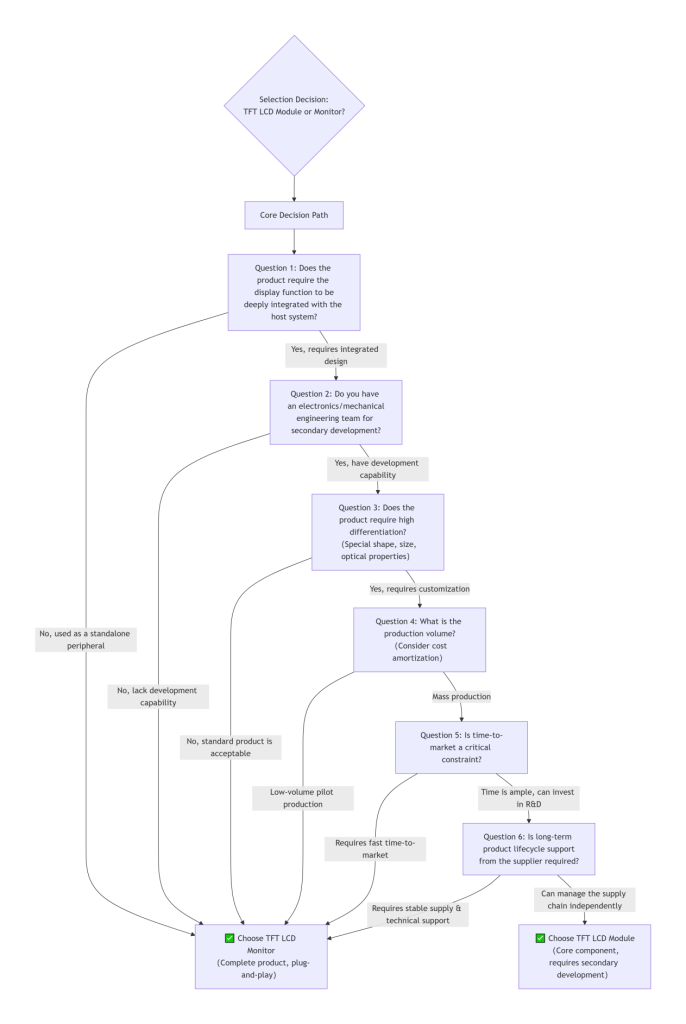
From the mind map comparing the needs of selecting an LCD module and an LCD monitor, we can obtain a quick decision-making checklist for your purchase guide:
- Integration Requirements:If the product requires deep integration of display functionality with the host computer, choose an LCD monoitor.
- Development Resources:If secondary development is required and a professional electronics development engineer is available, choose an LCD module.
- Production Scale:Monitors are generally more economical for small-batch production, while modules may have a cost advantage for large-batch production.
- Product Differentiation: If special shapes, sizes, or optical characteristics are required, choose LCD modules.
- Time to Market: Monitors can significantly shorten product development cycles.
- Lifecycle Support: Monitor manufacturers typically offer longer supply guarantees and technical support.
FAQs about LCD Monitors
Q1: Can an LCD monitor with a casing be dropped or impact resistant?
A: Yes. HOTHMI offers a robust outer shell (usually aluminum or steel) and a protective glass front panel (usually tempered or chemically strengthened glass) that effectively resists direct impacts, dropped tools, accidental collisions, and intentional vandalism.
Q2: How waterproof is the LCD monitor?
A: The waterproof rating reaches IP65, IP66, or even higher. This means it can completely prevent dust from entering and can withstand strong water jets or temporary immersion, making it suitable for dusty, humid, and clean environments such as food processing, laundry rooms, and outdoors.
Q3:Will a housing affect viewing?
Answer:The protective glass is often treated with AG (anti-glare) and AR (anti-reflective) coatings, greatly improving visibility in bright light environments (such as near windows or outdoors) and reducing operator eye fatigue.
Q4:Will a housing affect the touch functionality of a TFT LCD?
Answer:The housing seamlessly integrates highly durable touchscreens (such as infrared, industrial capacitive, and 5-wire resistive touchscreens), providing a smooth operating experience with gloves or wet hands and protecting the touch sensor.