Description
Ultra Wide Temperature 0.96 inch OLED Module
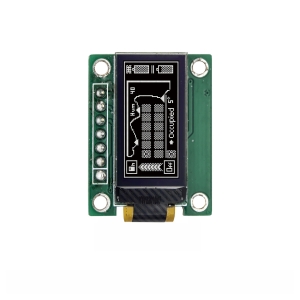
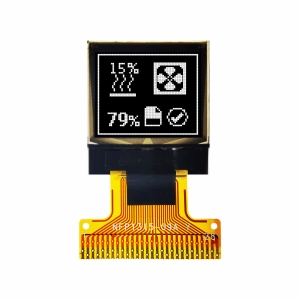
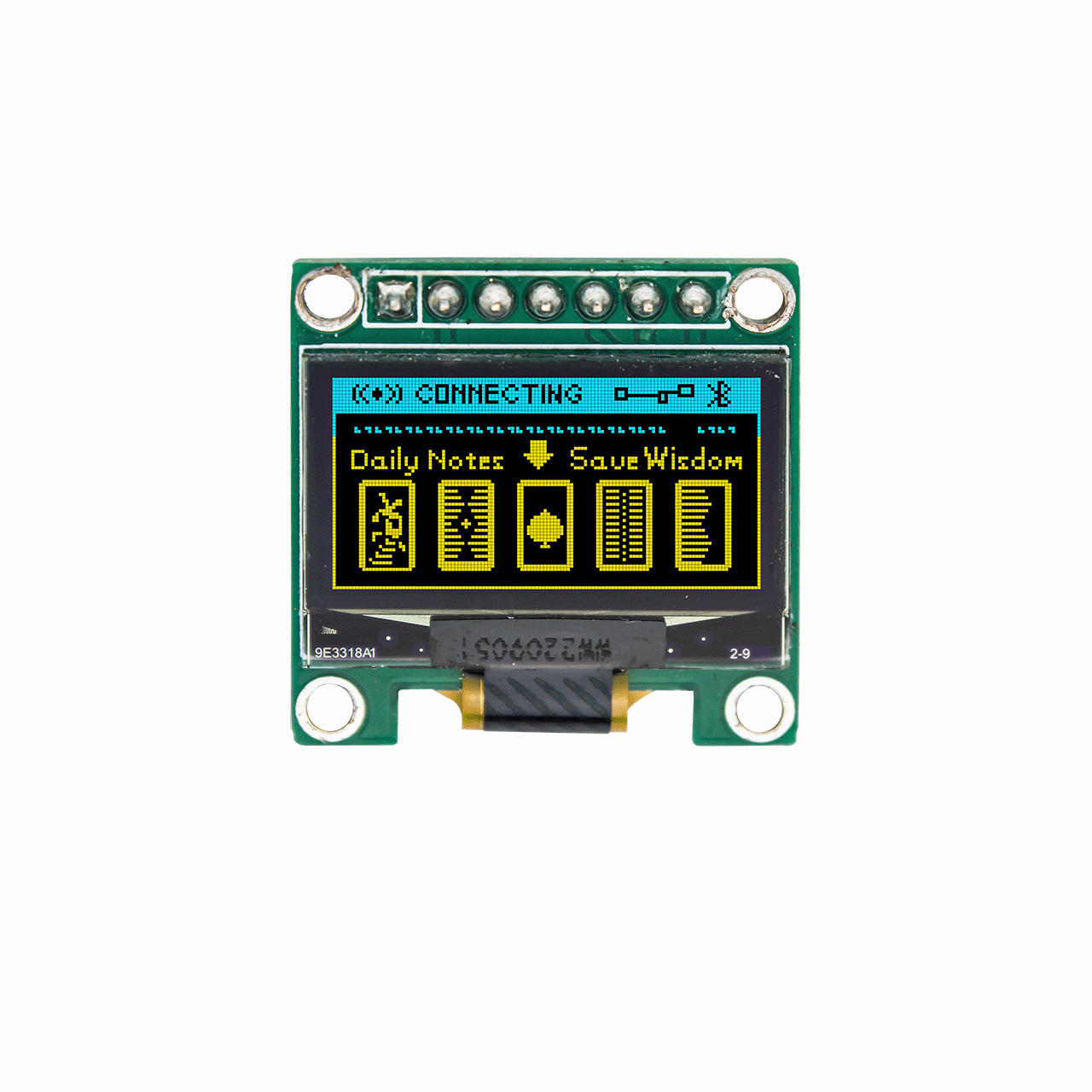
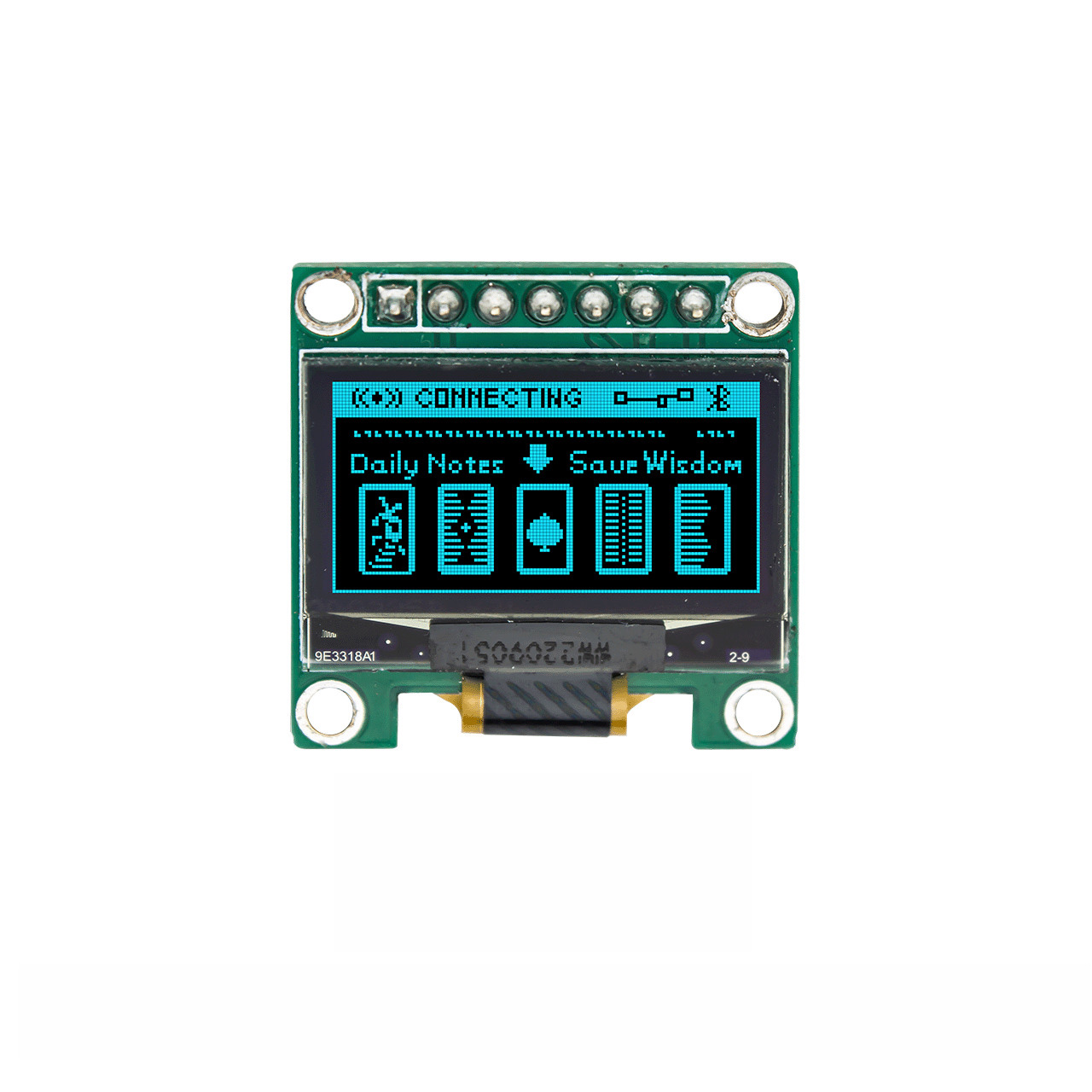
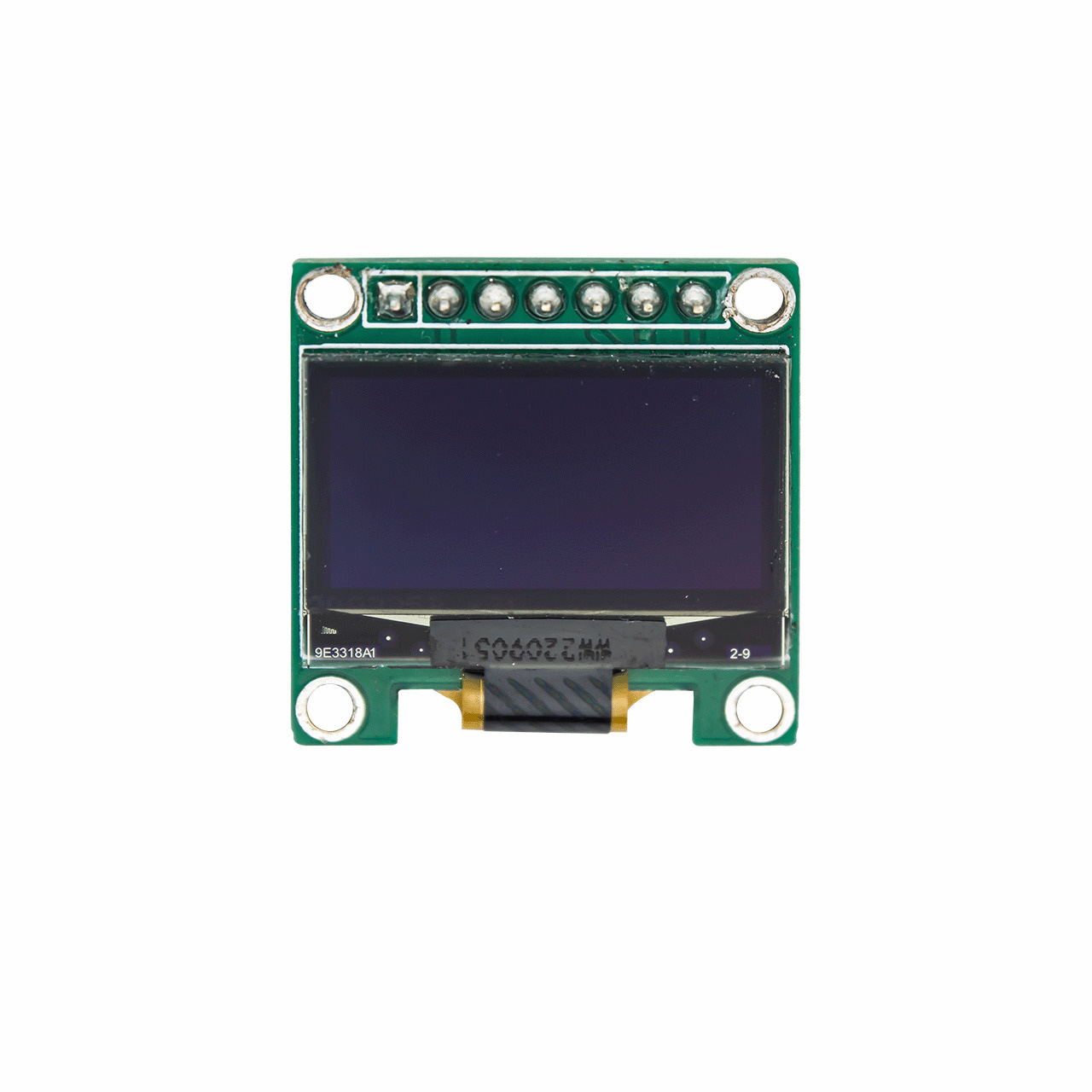
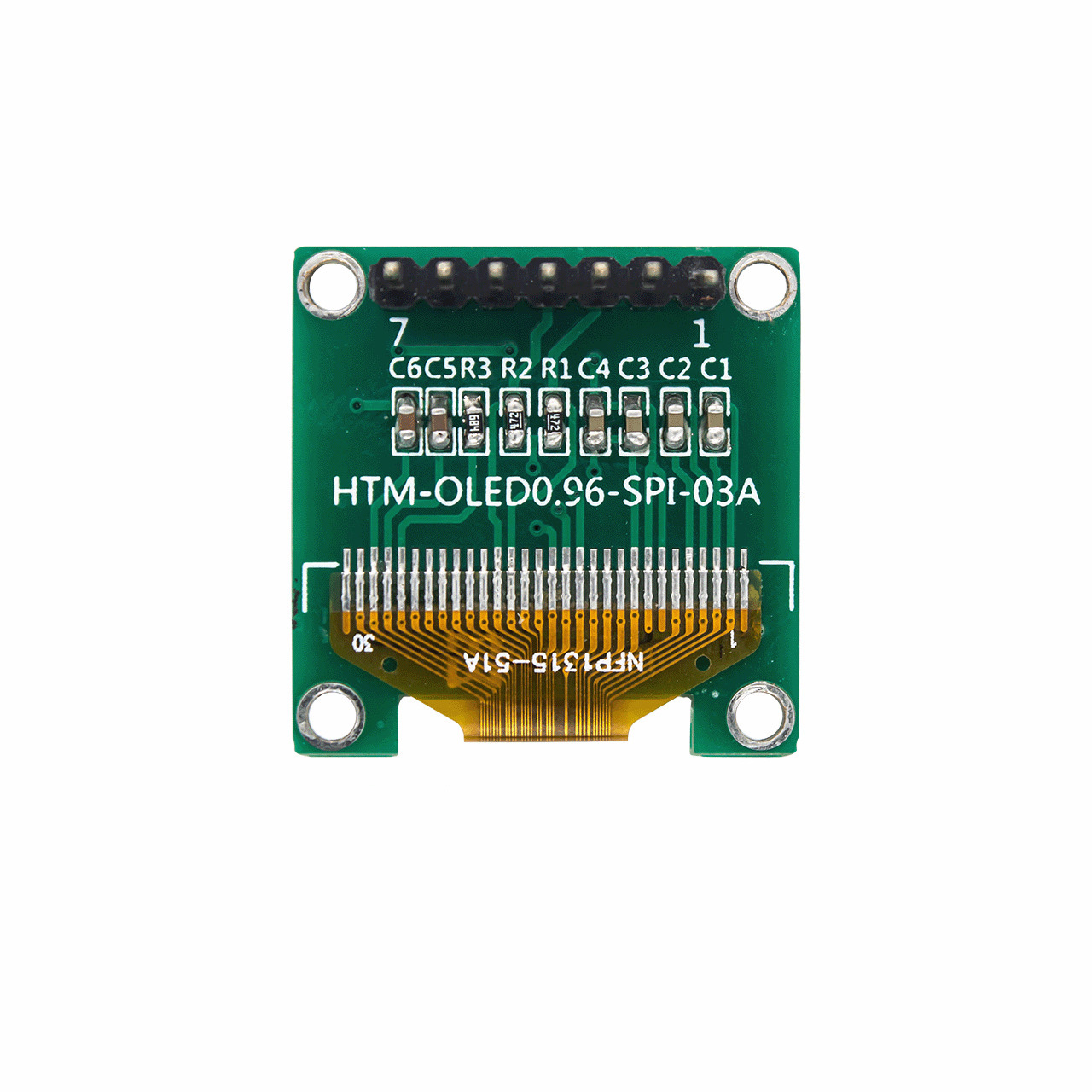
In the field of high-performance embedded development, the 0.96 inch OLED Arduino combination has long been the preferred choice for developers. However, standard display screens often struggle to withstand harsh environmental conditions. The HTM-OLED0.96-SPI-03A, launched by Shenzhen Hot Display Technology, is a monochrome white self-luminous display module specifically designed for industrial, outdoor, and high-end DIY projects.
This 0.96 inch OLED Arduino features a high-definition resolution of 128×64 and utilizes the SSD1315 driver chip with advanced Passive Matrix OLED technology. It achieves an ultra-thin design without the need for a backlight and delivers an extreme contrast ratio of >2000:1. Whether in a dark laboratory or a sunlit industrial site, it provides sharp and clear visual feedback.
Core Competitiveness: True Ultra Wide Temperature Industrial Quality
The most significant highlight of this module is its exceptional environmental adaptability. Unlike common consumer-grade displays, the 0.96 inch OLED Arduino follows strict industrial manufacturing standards:
- Extreme Cold Response (-40℃): In polar climates or cold chain storage, the screen lights up instantly without preheating. The response time is unaffected by low temperatures, eliminating the ghosting issues common with LCDs.
- High Temperature Stability (+85℃): Even when deployed in heat-restricted enclosures, automotive dashboards, or near high-heat power equipment, it maintains stable brightness and refresh rates.
- Extreme Storage (+90℃): The broad storage temperature range ensures 100% reliability even after the device has been exposed to extreme weather in a non-operating state.
0.96 inch OLED Arduino Product Highlights
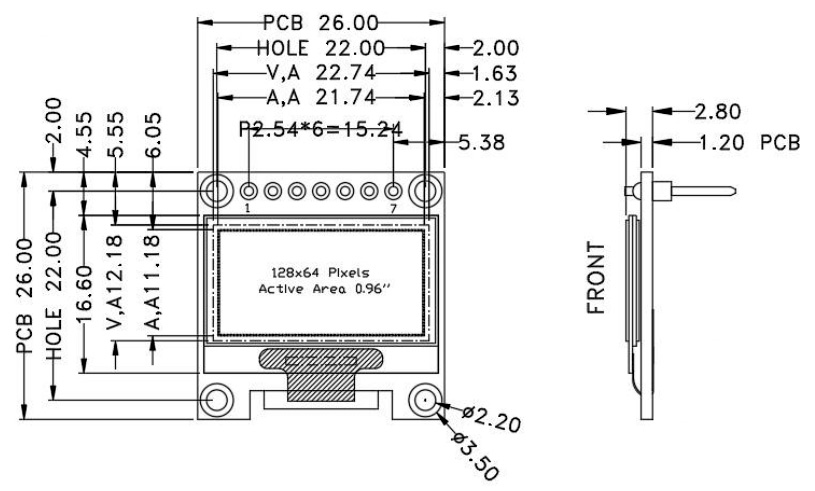
- Ultra-Thin and Compact: With module dimensions of only 45.4 x 25.0 x 5.0 mm and a weight of approximately 7g, it is the ideal choice for wearable devices and handheld instruments.
- High-Speed 4-wire SPI Interface: Compared to I2C, SPI offers higher bandwidth with a clock cycle as fast as 100ns and stronger anti-interference capabilities, ensuring stable display even in complex electromagnetic environments.
- Superior Visual Performance: A typical brightness of 90 Cd/m2 combined with Full View characteristics ensures no distortion from any viewing angle.
- Low Power Consumption: Supports a typical operating voltage of 3.3V with a logic current of only 200mA, significantly extending the battery life of portable devices.
- Perfect Arduino Ecosystem Compatibility: Fully compatible with mainstream graphics libraries such as U8g2 and Adafruit_SSD1306, allowing for zero-threshold development.
0.96 inch OLED Arduino Diverse Application Scenarios
- Outdoor Weather and Environmental Monitoring: Deployed in extreme environments for 0.96 inch OLED Arduino weather stations to display wind speed, pressure, and humidity in real-time.
- Industrial Power and Control Cabinets: Embedded panels near motors or high-heat sources to monitor critical parameters like current and vibration.
- Portable Medical and Health Devices: Creating high-precision pulse oximeters, heart rate monitors, or portable ultrasound terminals.
- Smart Home and Automotive Instrumentation: Withstanding high cabin temperatures under summer sun as the display core for smart switches or trip computers.
- DIY Enthusiasts: Building personalized PC hardware sub-screens, micro-oscilloscopes, or educational Arduino kits.
Technical Q&A
Q1: Why is the SPI interface better than I2C for 0.96 inch OLED Arduino projects?
A: 4-wire SPI provides faster communication rates using pins like D/C# and CS#. This supports more complex graphic rendering and smoother animations. It is also more reliable than I2C over longer distances or in high-interference industrial ultra wide temperature environments.
Q2: What is the difference between the SSD1315 driver and the common SSD1306?
A: The SSD1315 is an upgraded version of the SSD1306, offering optimized power management and enhanced display stability. It is fully command-compatible with the SSD1306, meaning developers can use existing Arduino libraries without modifying any code.
Q3: How can I protect this ultra wide temperature OLED in Arduino code to extend its lifespan?
A: Although the module is heat-resistant, it is recommended to use commands like AEh/AFh to set an automatic sleep function. Additionally, adjusting the contrast control (81h) to lower brightness when high intensity is not needed can effectively prevent OLED burn-in.
Q4: How does this 0.96 inch OLED Arduino perform in high-humidity environments?
A: The module supports a humidity standard of 90% RH at temperatures up to 60℃. This makes it perform excellently in greenhouse monitoring, tropical outdoor equipment, or industrial humidification scenarios.