Description
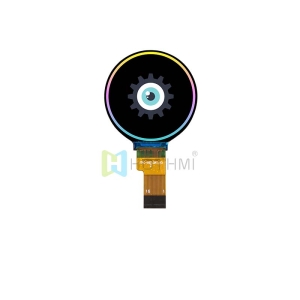
1.3-inch Round TFT LCD SPI Serial Interface Sunlight Readable Display
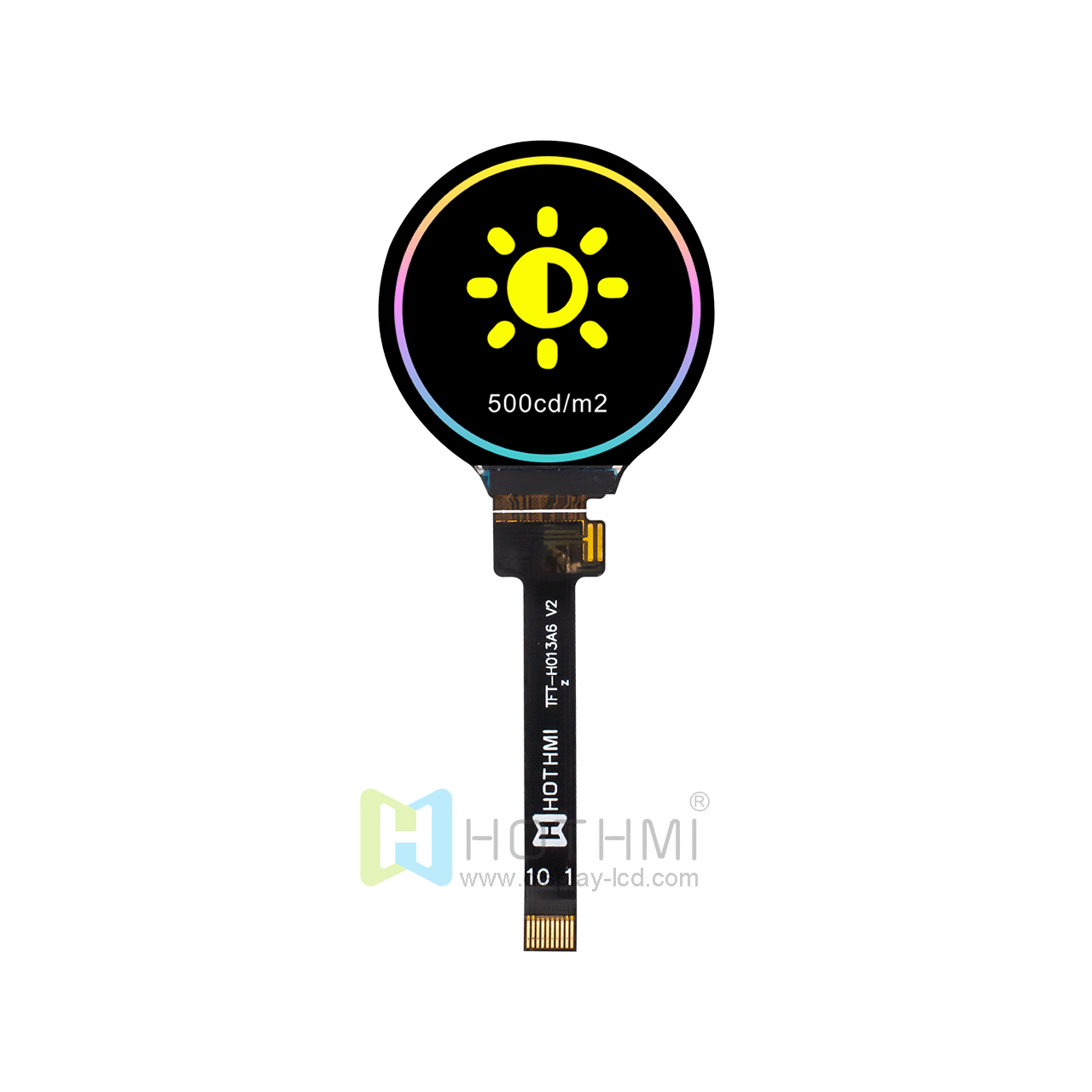
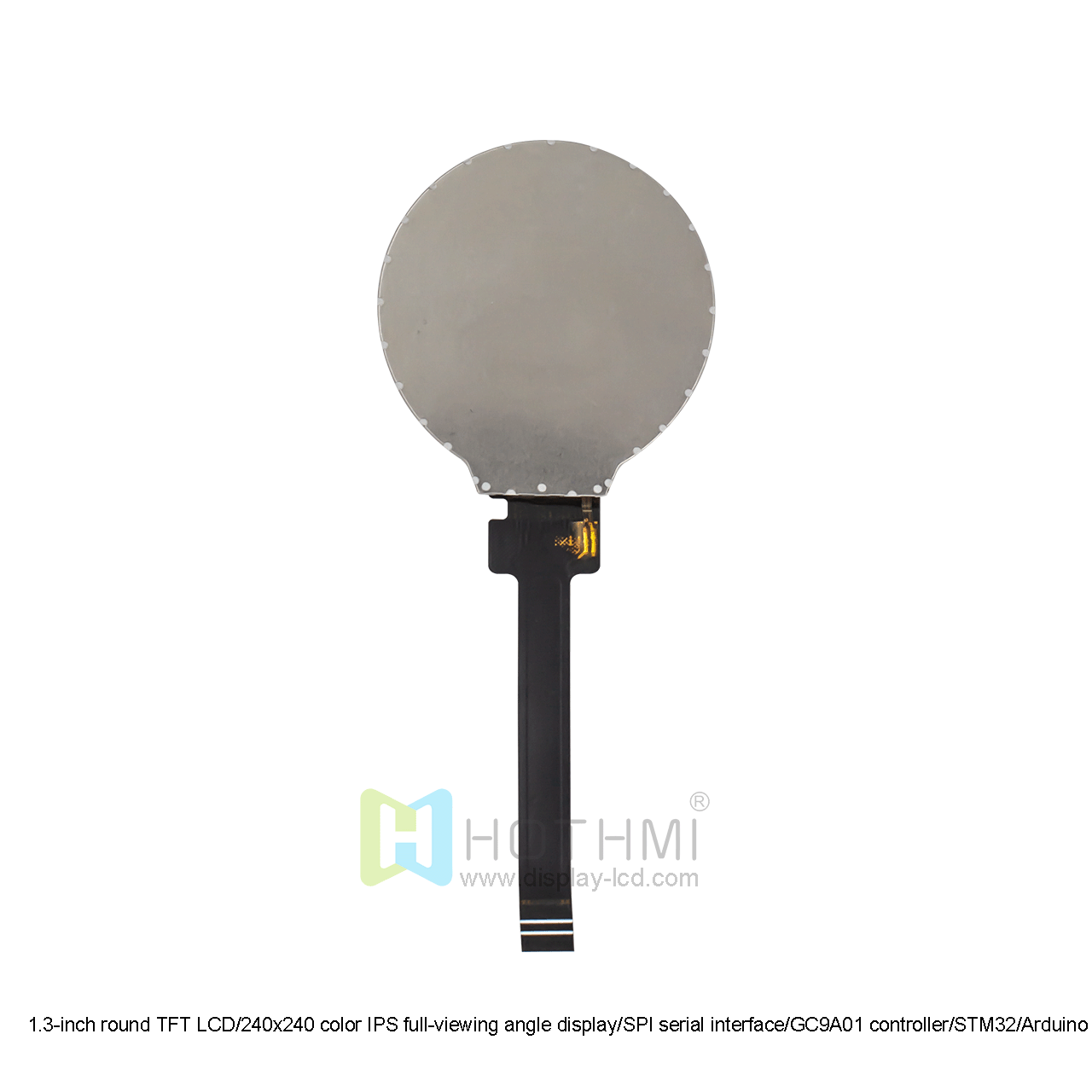
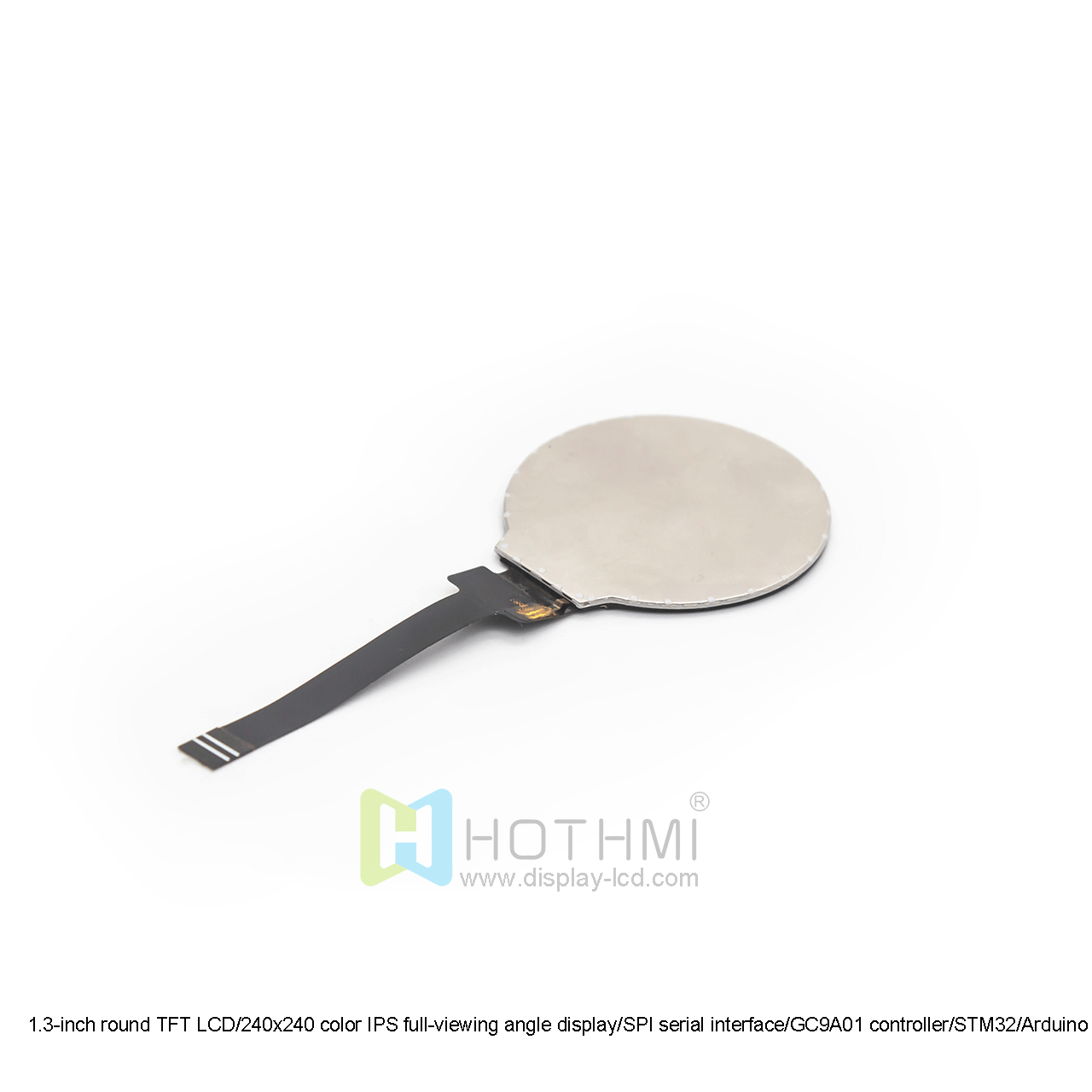
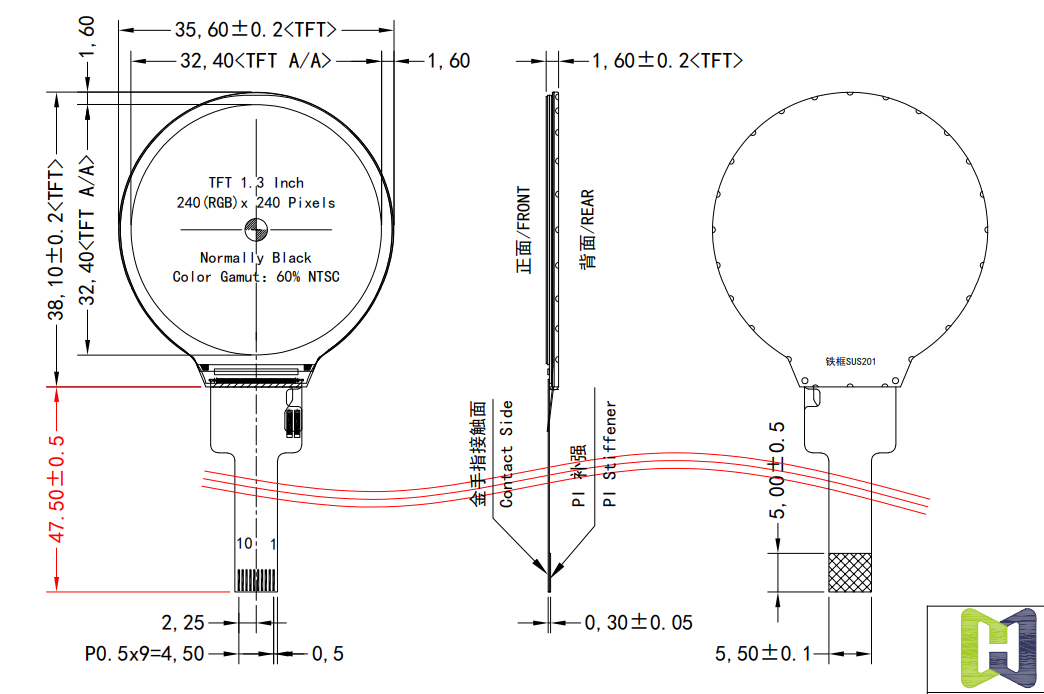
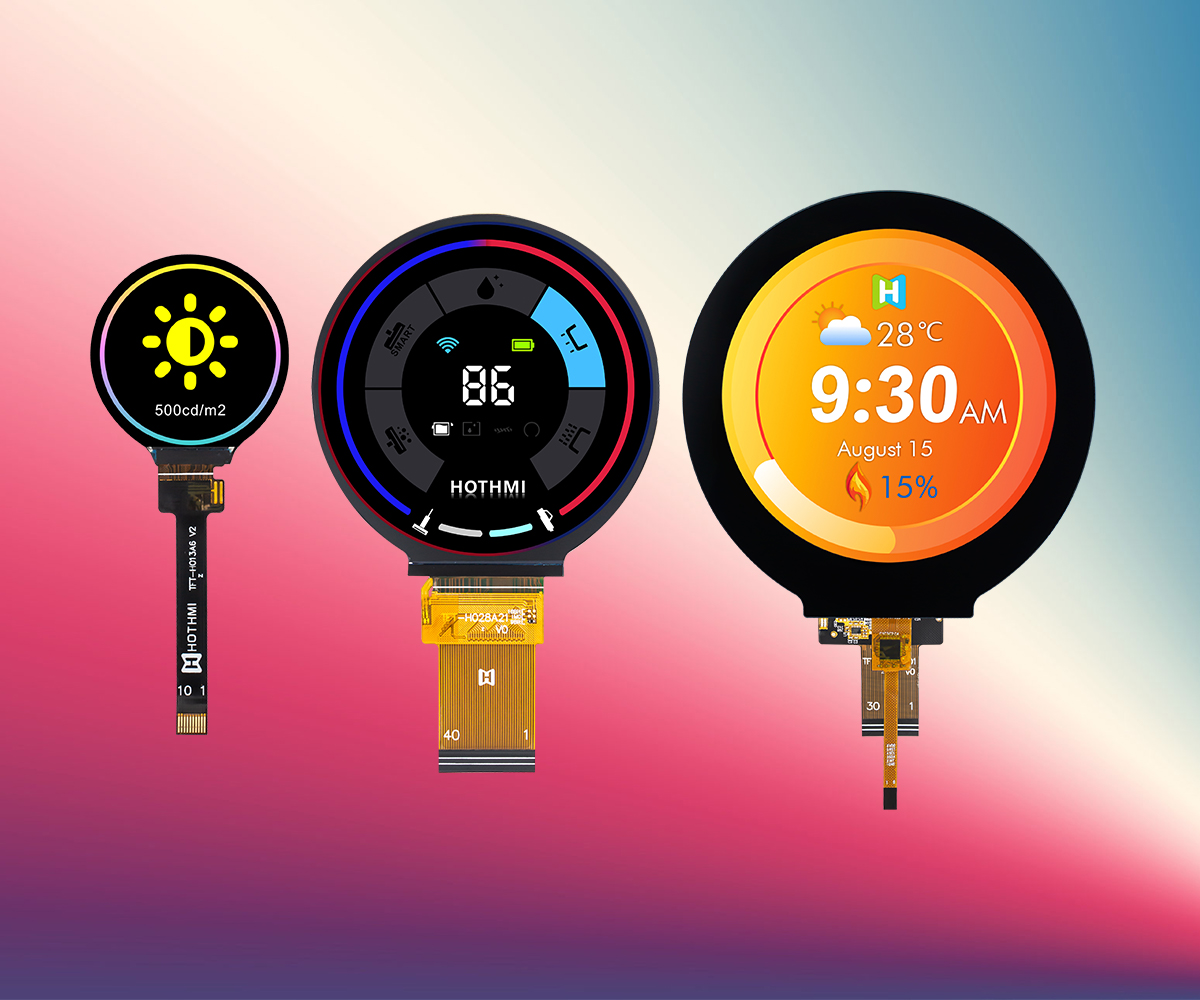
Regarding core specifications, this screen utilizes a LCD panel with a resolution of 240(RGB)x240 pixels. Despite its compact 1.3-inch size, the high pixel density ensures delicate image rendering and smooth edge transitions, completely eliminating the graininess often seen in smaller displays. Its 1:1 aspect ratio perfectly suits the layout requirements of circular display watch faces or circular control interfaces. The physical dimensions of the module feature a diameter of 35.60mm (including the iron frame) and an overall thickness of just 1.6mm, allowing it to be easily integrated into various compact product designs.
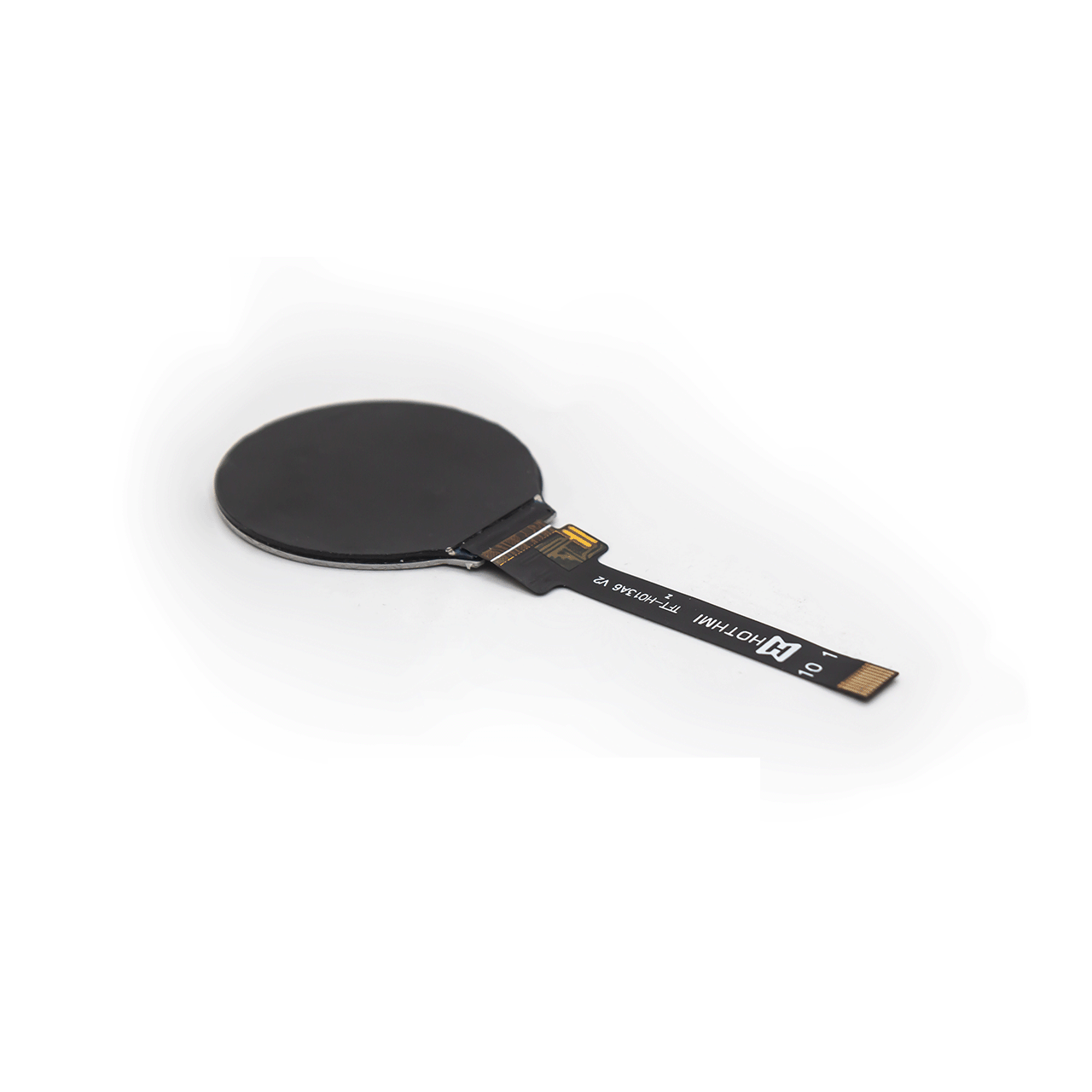
This product is controlled by the GC9A01 driver IC, specifically designed for small, high-resolution circular display screens. It efficiently handles the data volume for 240×240 pixel resolution, ensuring smooth, lag-free visuals. Interface-wise, it adopts a 4-line 8-bit data serial interface (SPI), routed through a 10-pin FPC (Flexible Printed Circuit).
The gold finger contact area is reinforced with a PI stiffener, a detail that significantly enhances the durability of the interface during repeated connection and disconnection, making it exceptionally user-friendly for developers frequently working with development boards like STM32 or Arduino.
This 1.3-inch circular display features a unique 47.5mm long cable, making it easy for users to assemble it onto a driver board. Different cable lengths and brightness models are also available: TFT-H013A6QQIGC7N10 .We also offer a module including a driver board: HTM-H013A6-UART-A02. In addition, we also offer a circular display of the same size, the TFT-H013A1HQIST3N16 circular display with a 16-pin MIPI interface, providing you with more options.
Specification
Core Technical Highlights and Display Performance
- IPS Full Viewing Angle and Visual Experience
One of the standout features of this circular display is its adoption of IPS (In-Plane Switching) full-viewing-angle technology. The datasheet specifies typical viewing directions of U85/D85/L85/R85, meaning that even when viewing from angles up to 85 degrees in any direction, the contrast ratio remains high. Unlike traditional TN screens, IPS technology ensures that off-center viewing does not cause significant grayscale inversion or brightness reduction; colors remain true-to-life.
- Brightness Performance and Backlight Characteristics
Readability under outdoor or strong lighting conditions is a critical test. This module offers a typical brightness of 500 cd/m², a high level for a 1.3-inch small screen. Combined with its “Normally Black” LCD characteristic, it delivers purer blacks and higher contrast in dark environments. The backlight utilizes a white LED driver, with a forward voltage (Vf) ranging from 3.0V to 3.4V and a forward current (If) of 40mA (constant current drive). This design ensures backlight consistency and extends the LED’s operational life. The backlight system remains stable even in temperatures ranging from -20℃ to +70℃, ensuring the circular display’s reliability.
- Wide Color Gamut and Color Saturation
In terms of color reproduction, the TFT-H013A6QQIGC5N10 achieves a 60% NTSC color gamut coverage. This allows it to render richer color layers compared to standard small-sized screens. Whether displaying icons, charts, or photos, the circular display presents vivid and dynamic visuals. This capability is crucial for industrial instruments or medical devices that rely on specific color coding, helping prevent misinterpretations caused by inaccurate color reproduction on the circular display.
Typical Application Scenarios
- Smart Home Control Terminals: With the rise of smart homes, products like smart speakers, smart switch panels, and thermostats are increasingly design-conscious. A circular display can be perfectly embedded into a knob or panel center to show weather updates, temperature settings, or music playback interfaces.
- Medical Electronics and Portable Devices: Equipment such as fingertip pulse oximeters or small syringe pumps require compact and clear screens for real-time data feedback. The low-power consumption and small size of this circular display module align perfectly with these needs.
- DIY Projects and Prototyping: Thanks to its common SPI interface and compatibility with mainstream development platforms like Arduino and STM32, this circular display is also popular among electronics enthusiasts and makers. It’s frequently used in projects like mini game consoles or sensor data visualization dashboards, all benefiting from the unique format of the circular display.
Common Technical Questions (Self Q&A)
Q1: What interface does this circular display use? Is it easy to drive?
A: The TFT-H013A6QQIGC5N10 utilizes a 4-line 8-bit data serial interface, commonly known as SPI (Serial Peripheral Interface). SPI is a synchronous serial communication interface requiring only SCL (clock), SDA (data), CS (chip select), D/CX (data/command select), and a necessary RESX (reset) pin for communication, thus occupying very few I/O pins on a microcontroller. Thanks to the built-in GC9A01 driver IC, which has mature library support within the industry, ready-to-use example codes are readily available whether you are using STM32’s Standard Peripheral Library, HAL Library, or the Arduino platform. For developers new to TFT color screens, this circular display is an excellent choice for getting started.
Q2: When displaying text or graphics on a circular display, do the edges get cut off?
A: This is a very common question regarding circular display modules. Although the physical glass is round, the display driver IC’s GRAM (graphics RAM) is still a rectangular matrix (240×240 pixels). This means all pixel data written to the screen is stored in a rectangular format.
To achieve the visual effect of a circular display, two methods are typically used: 1) A circular physical mask (like a black watch face cover) is attached on top of the screen to physically hide the four corners of the rectangle. 2) Developers proactively set the pixels in the four rectangular corners to black (or transparent) via software, allowing the displayed content to blend seamlessly with the circular border of the circular display. In practical development with any circular display, it is advisable to plan the UI layout in advance to avoid placing critical information near the edges where it might be obscured.