Description
Detailed Introduction to the SSD1322 OLED Display Module
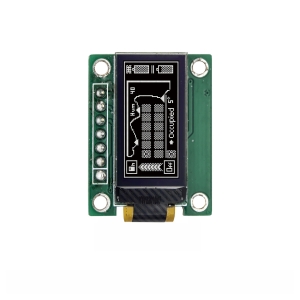
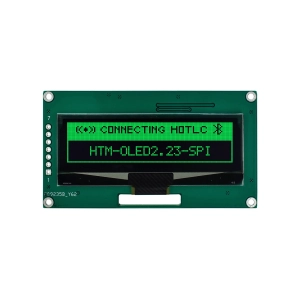
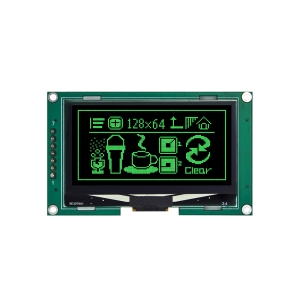
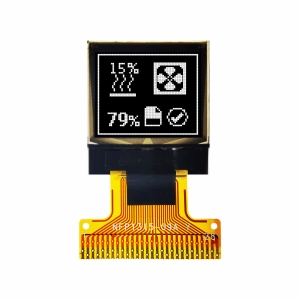
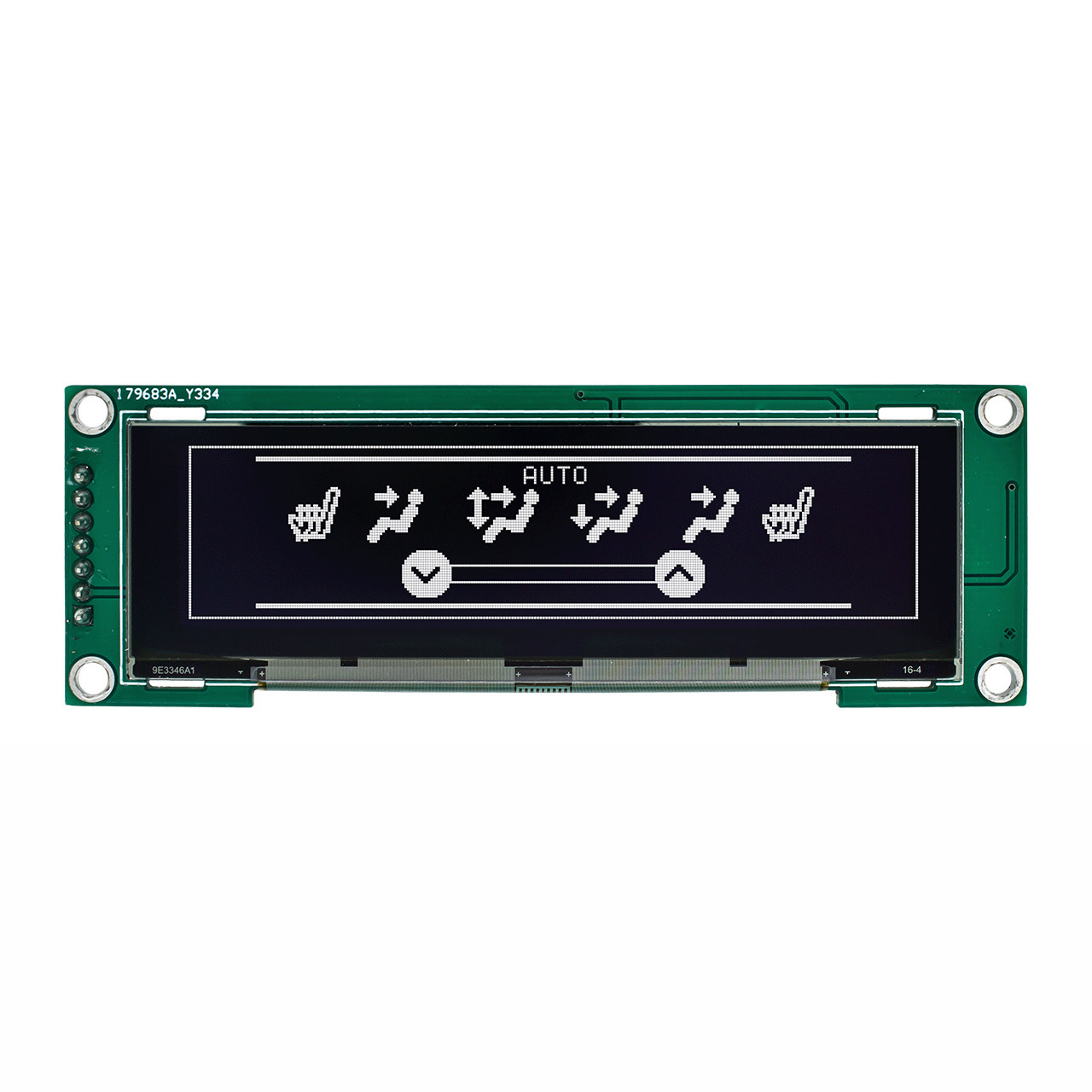
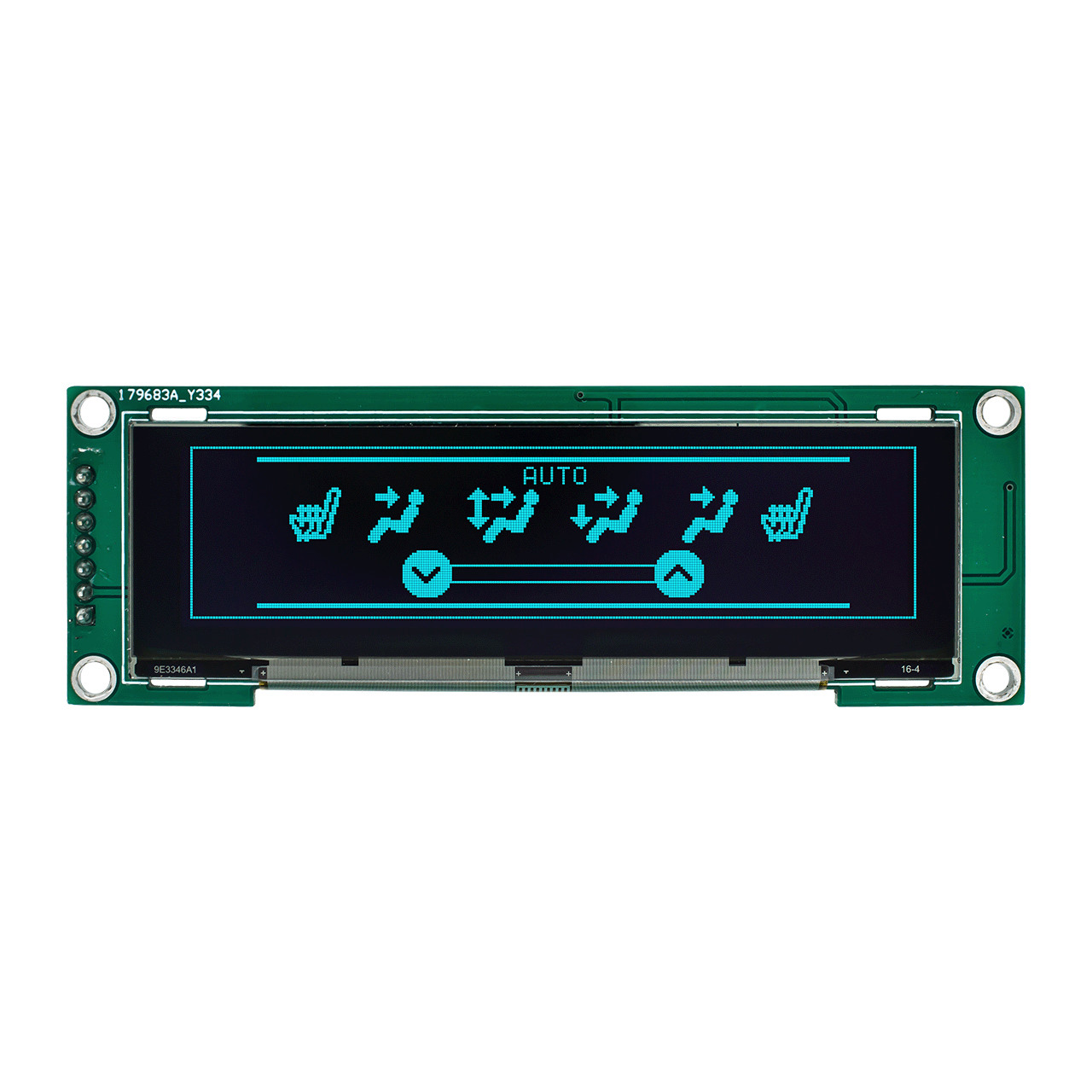
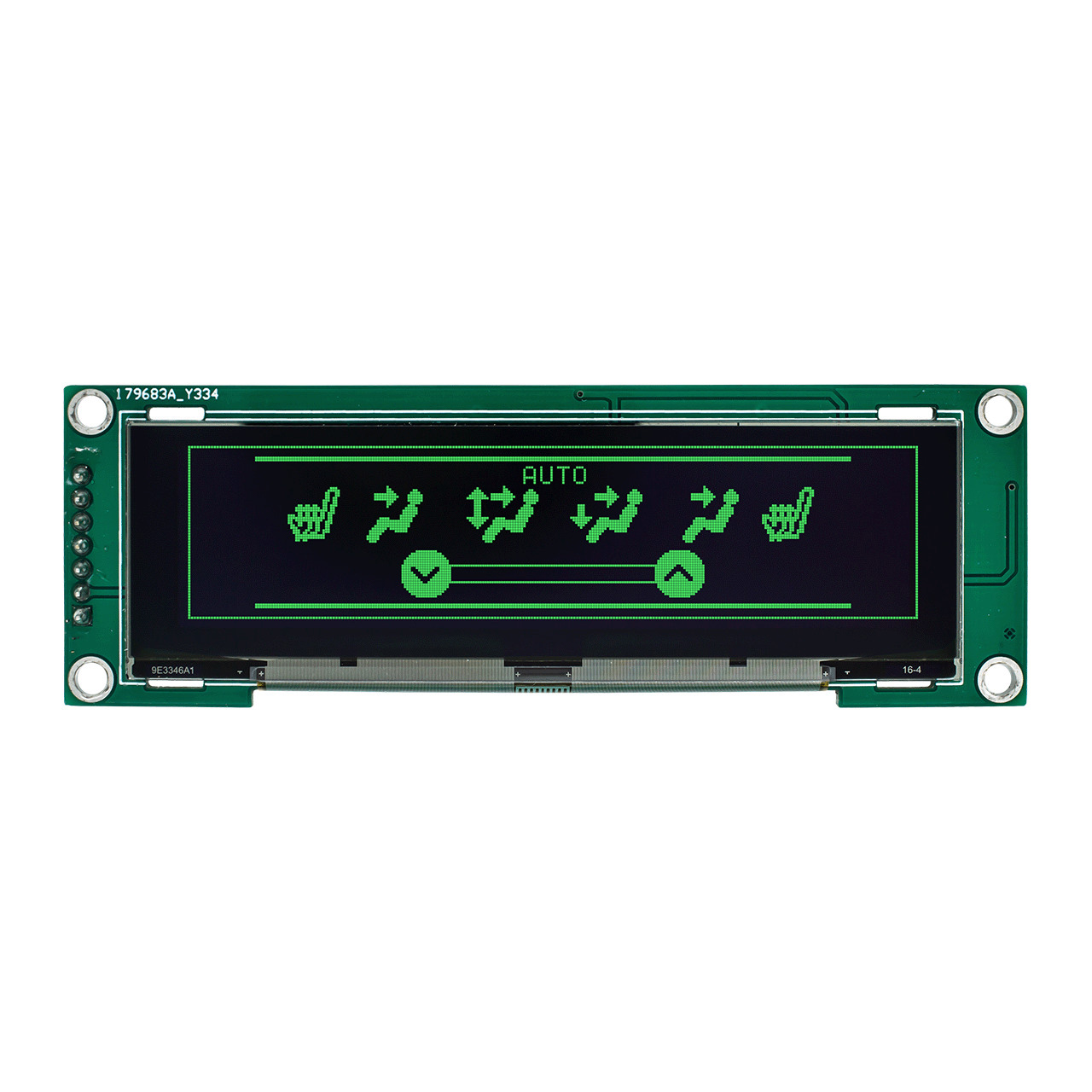
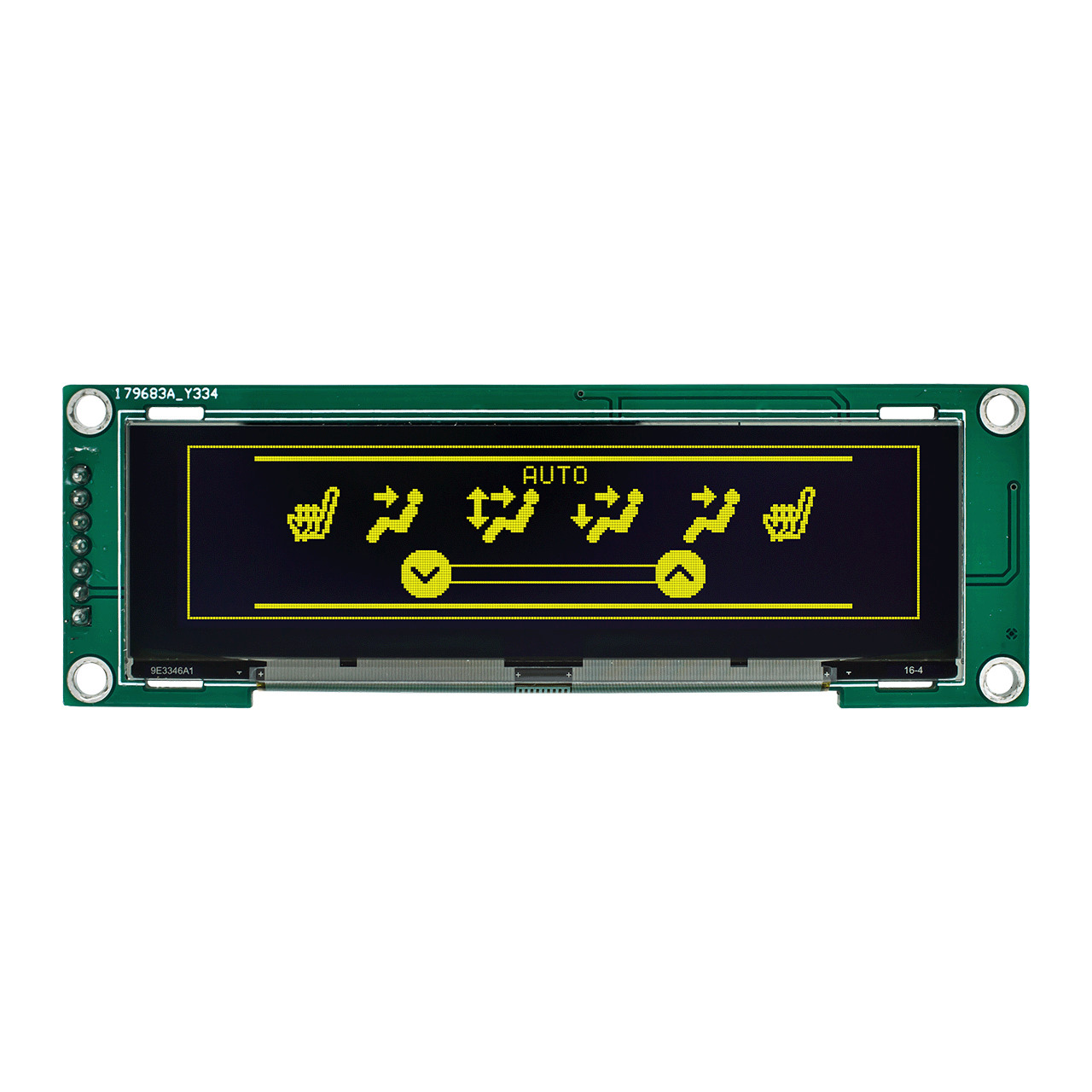
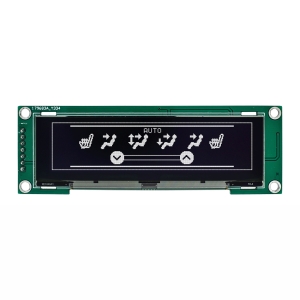
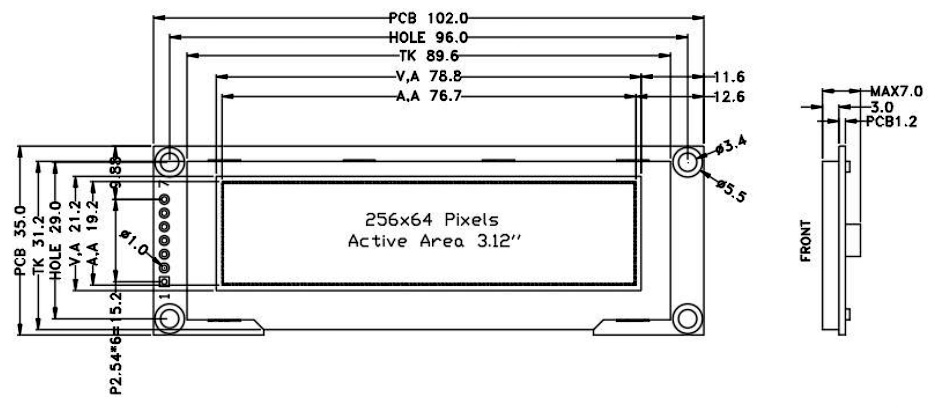
In the world of high-end instrumentation and professional audio equipment, the display interface is the window to performance. The HTM-OLED3.12-SPI is a premium 3.12 inch passive matrix OLED module powered by the advanced SSD1322 controller. Designed for clarity and reliability, this ssd1322 oled display delivers a striking 256×64 resolution, offering crisp text.
Unlike traditional LCDs, this ssd1322 oled display utilizes self-emissive technology. This means every pixel is its own light source, resulting in deep true blacks and an extraordinary contrast ratio of over 2000:1. Whether you are designing for a dim recording studio or a brightly lit industrial floor, the wide viewing angles ensure your data remains perfectly legible from any direction.
Selecting a HOTHMI SSD1322 OLED display means choosing industrial-grade reliability and expert support. Our displays offer a wider operating temperature (-40 to +80°C) and longer lifespan compared to consumer-grade alternatives. HOTHMI provides consistent batch quality and long-term availability, making us the trusted partner for demanding engineering projects.
Product Applications
The versatility of the ssd1322 oled display makes it a top choice for developers across multiple industries:
- Professional Audio and Hi-Fi Systems: The signature monochrome glow is ideal for VU meters, spectrum analyzers, and DAC info screens, providing a vintage yet professional aesthetic.
- Industrial Automation and Control: With its wide operating temperature range of -40°C to +80°C, this module is built for PLC panels and monitoring systems that face harsh environments.
- Medical Diagnostic Equipment: The high response speed and lightweight 25g module weight are perfect for portable medical devices that require instant, high-contrast data visualization.
- Smart Home and IoT Hubs: Its ultra-slim 7mm profile allows it to fit seamlessly into modern wall-mounted controllers and sleek appliance interfaces.
Key Highlights of the SSD1322 OLED Display
The HTM-OLED3.12-SPI stands out due to several technical advantages:
- Superior Contrast: The OLED technology ensures that black areas of the screen consume zero power and remain completely dark, enhancing readability.
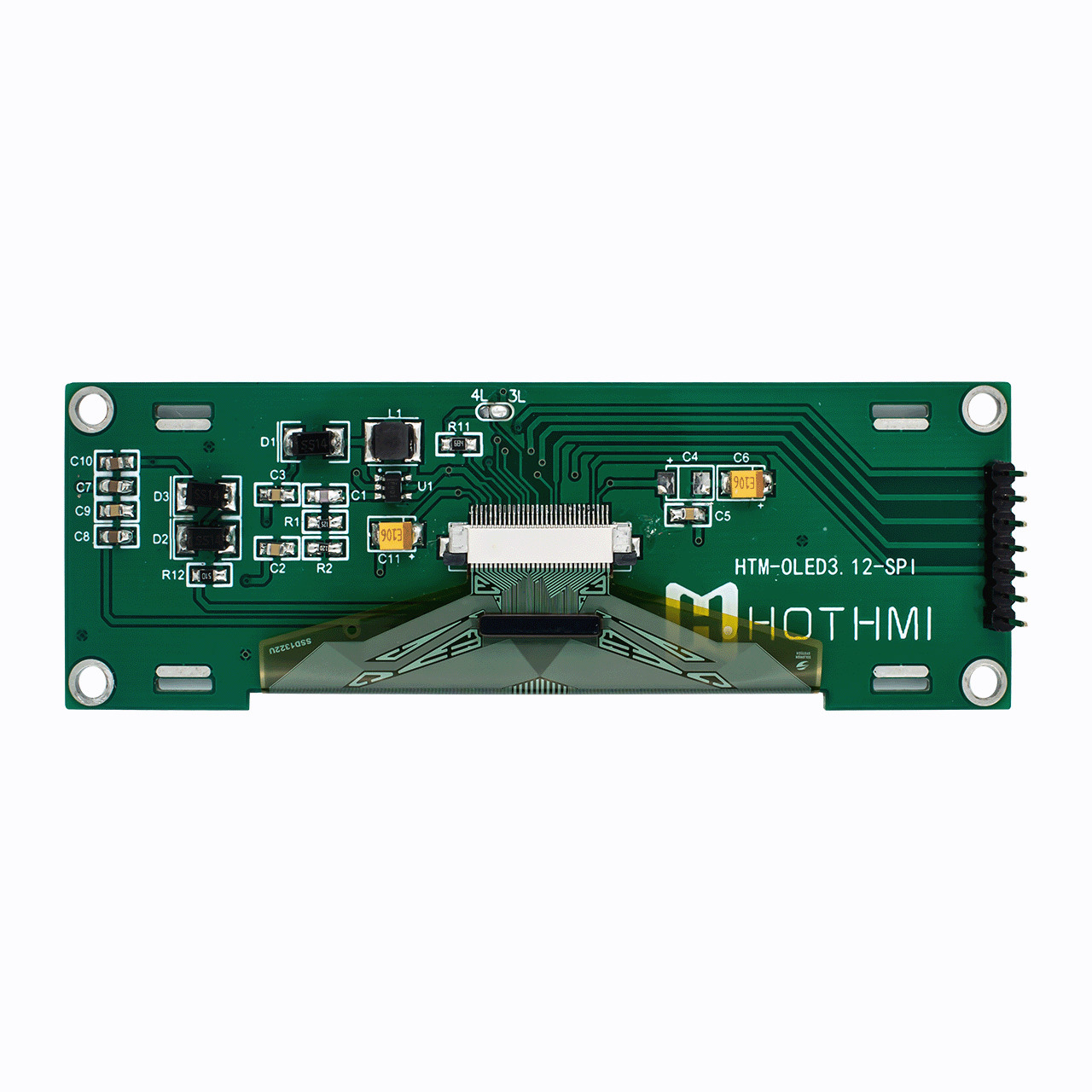
- Simplified Integration: The 4-line SPI interface reduces the number of required pins, making it easy to connect with various microcontrollers like Arduino, STM32, or Raspberry Pi.
- Durability in Extreme Weather: Engineered to withstand extreme cold and heat, ensuring the display does not lag or ghost in outdoor or industrial settings.
- Low Power Consumption: Efficient power management through the SSD1322 driver makes it suitable for battery-operated handheld devices.
Technical FAQ
Q1: What makes the SSD1322 controller better for 256×64 displays?
The SSD1322 is specifically designed to handle high-resolution monochrome graphics. It supports advanced features like a 16-step gray scale, which allows for smooth gradients and more sophisticated UI designs compared to basic on/off controllers.
Q2: How does this SSD1322 OLED Display perform in outdoor environments?
While direct sunlight can be a challenge for many screens, the self-emissive nature and high brightness (typical 90 cd/m²) of this monochrome OLED provide better visibility than standard LCDs. Additionally, its wide temperature tolerance prevents the screen from “freezing” or dimming in cold weather.
Q3: Is the SPI interface the only way to communicate with this module?
The HTM-OLED3.12-SPI is specifically optimized for 4-line SPI communication. This mode is preferred for its high data transfer rates and minimal I/O requirement, which is critical when refreshing a 256×64 matrix at high speeds.
Q4: What are the cleaning and handling precautions for this SSD1322 OLED Display?
To protect the polarizer, avoid using water or harsh chemicals like acetone. It is recommended to use a soft cloth with isopropyl alcohol or ethyl alcohol for light cleaning. Always handle the module in an ESD-safe environment to protect the sensitive C-MOS drivers.