Capacitive Touchscreen: Structure, Principle, and Technical Advantages
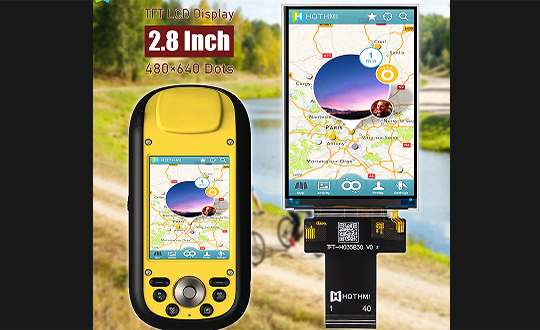
Capacitive touchscreens have become the mainstream choice for modern human-machine interfaces, thanks to their smooth operation and long service life. As the technology continues to mature and production costs are effectively controlled, they are gradually replacing traditional resistive touchscreens and are widely used in various electronic devices.
I. Precise Layered Structure
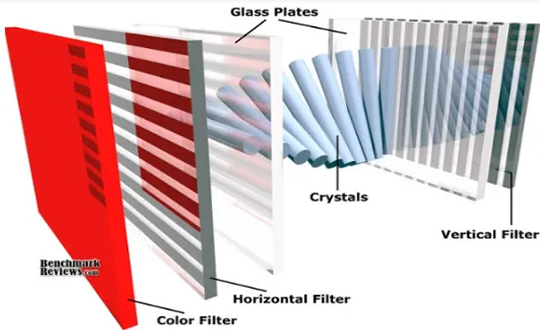
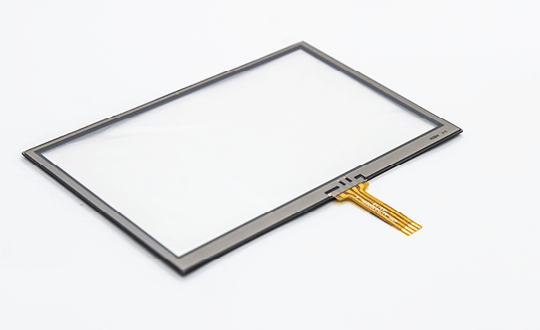
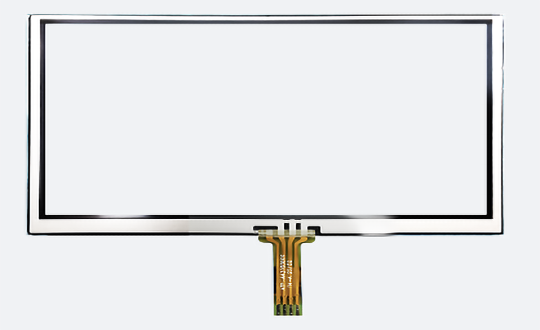
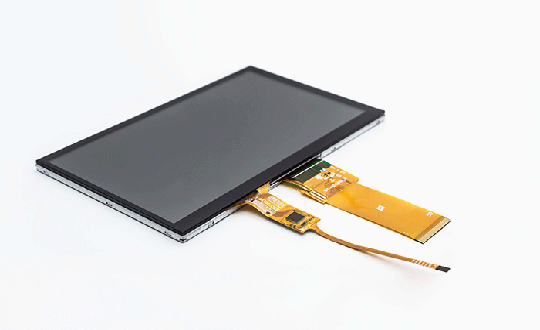
The functionality of a capacitive touchscreen relies on the coordinated interaction of multiple precision layers. Each layer has a distinct role, working together to detect and respond to touch signals. The typical structure, from the outermost layer inward, is as follows:
- Protective Glass Layer: Usually made of high-strength tempered glass (such as Corning Gorilla Glass), this outermost layer provides scratch and impact resistance, offers mechanical protection for internal components, and maintains high optical transparency.
- Conductive Layer (Sensing Layer): Composed of transparent conductive materials such as indium tin oxide (ITO) or other transparent conductive films, this layer forms the capacitive sensing network. When a finger touches the screen, this layer sensitively detects changes in capacitance.
- Insulating Layer: Made of transparent insulating materials like polyester film or silicon dioxide, this layer isolates the conductive layer from the circuitry to prevent short circuits and ensure stable electrical performance.
- Electrode Layer: Constructed from highly conductive materials such as silver nanowires or copper nanowires, this layer forms a fine electrode grid that participates in establishing the capacitive field and capturing change signals.
- Substrate Layer: Using glass or plastic as the base, this layer provides sturdy structural support for the entire touchscreen and facilitates secure mounting within the device.
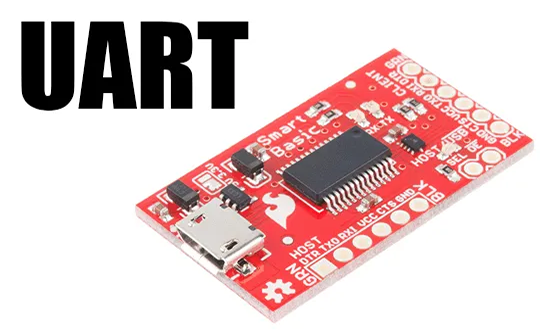
- Controller Chip: Typically located at the edge or on the back of the touchscreen, this is the core of signal processing. It receives capacitance change data from the conductive and electrode layers, calculates precise touch coordinates, and transmits the coordinate information to the device’s main processor.
- Encapsulation Layer: Using adhesives or sealants, this layer bonds the various layers tightly together, effectively blocking dust and moisture ingress, thereby enhancing the touchscreen’s durability and reliability.
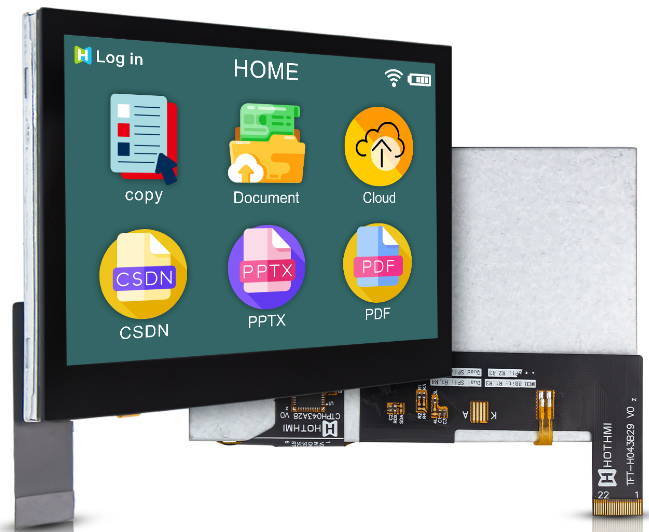
This stacked design enables seamless collaboration among all components. When a finger touches the screen, the capacitance between the conductive layer and the electrode layer changes. The controller chip detects these changes, converts them into specific coordinate commands, and ultimately drives the device to respond accordingly. It is this precise structure that endows capacitive screens with outstanding characteristics such as high sensitivity, multi-touch capability, and long lifespan.
II. Clear Operating Principle
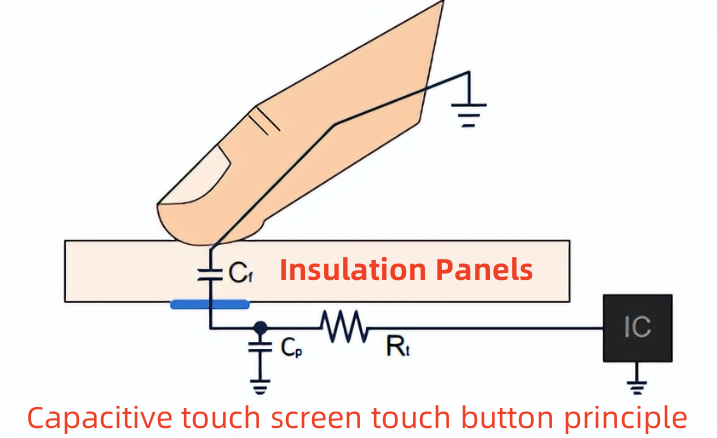
The core principle of a capacitive touchscreen lies in utilizing the electric charge naturally present in the human body. The screen surface is made of materials such as alloys or indium tin oxide, with weak electrostatic charges stored internally and distributed across a micro-grid network finer than a human hair.
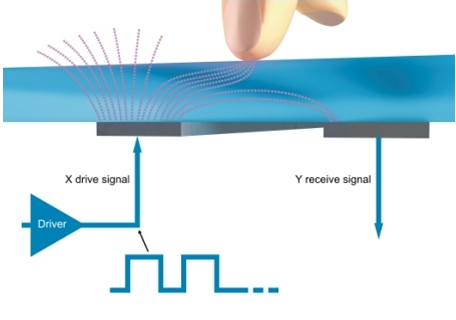
In the specific working process, voltage is applied to the four corners of the screen, generating a conductive alternating electric field. The outermost electrode layer produces a low-voltage, high-frequency current across the conductive layer, while a 15-micrometer-thick transparent oxide layer on the screen surface serves as protection. When a finger touches the screen, the human body acts as a grounded capacitor, drawing a minute amount of current from the contact point, causing the current flowing through the four corner electrodes to split. Since the high-frequency current flowing from each of the four corners is inversely proportional to the distance from the touch point to that corner, the controller can precisely calculate the touch coordinates by comparing the current changes at the four electrodes.
As for multi-touch functionality, it requires the introduction of mutual-capacitance electrode technology. In simple terms, the screen is divided into multiple independent regions, each equipped with a set of mutually capacitive modules that independently detect touch events within their respective areas. This allows the system to simultaneously recognize multiple touch points. After algorithmic processing, it can smoothly implement complex gestures such as pinching, zooming, and rotating.