What is an IPS LCD?
What is an IPS LCD?
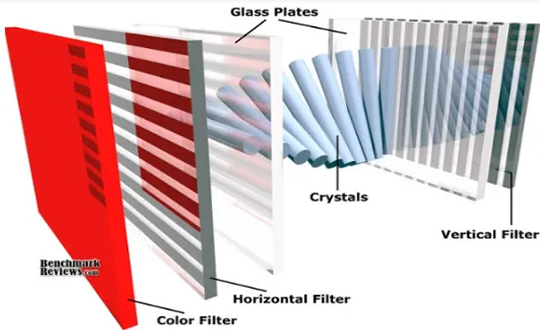
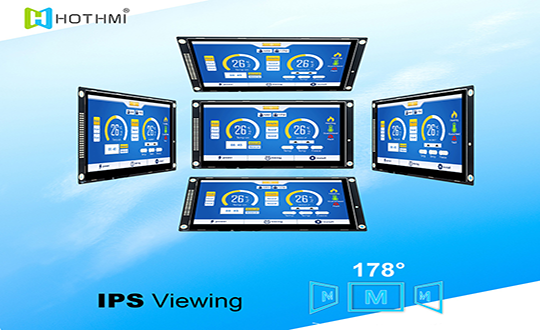
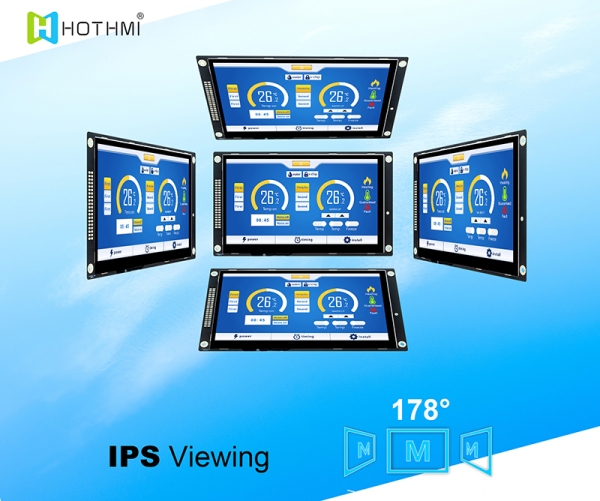
An IPS LCD is a type of liquid crystal display technology that, compared to traditional TN LCD panels, offers superior color reproduction and wider viewing angles. In an IPS LCD, the liquid crystals are aligned parallel to the plane of the panel, allowing the screen to deliver consistent and accurate colors from different viewing angles. For this reason, this technology is widely used in high-end monitors, televisions, and mobile devices, and is especially suitable for scenarios that demand high image quality and color accuracy.
What are the main advantages of an IPS LCD?
- Color Accuracy and Consistency: Among all mainstream LCD panel types (including TN and VA displays), the IPS LCD offers the most accurate and stable color performance. This feature makes it an ideal choice for photography, graphic design, and other professional tasks that require high color precision.
- Wide Viewing Angles: Even when viewing the screen from different angles, the color and contrast shifts on an IPS LCD are minimal, hardly affecting the viewing experience.
- Fast Response Time: Although the response time of an IPS LCD is not as fast as that of a TN panel, it is sufficient for most users’ daily needs, ensuring smooth visuals during motion or fast-paced content.
- Good Sunlight Readability: Compared to TN panels, IPS LCDs generally have better readability in direct sunlight due to their wider viewing angles and lower screen reflection.
What are the disadvantages of an IPS LCD?
- Higher Cost: Especially for large-sized screens, IPS LCD panels are typically more expensive than TN and VA panels.
- Backlight Bleed: Some IPS LCD panels may suffer from backlight bleed, where light leaks from the edges of the display, particularly noticeable when showing dark scenes.
- Slower Response Time than TN Panels: For gamers or users who need extremely fast response times for competitive esports or high-refresh-rate displays, a TN panel may be a more suitable choice.
Common Everyday Applications of IPS LCDs
Thanks to their excellent color accuracy, wide viewing angles, and stable color performance, IPS LCDs are suitable for a variety of applications.
- Thanks to their excellent color accuracy, wide viewing angles, and stable color performance, IPS LCDs are suitable for a variety of applications.
- High-End Electronic Products: IPS LCDs are commonly found in mid-to-high-end electronic devices such as smartphones, dashcams, portable cameras, laptops, televisions, and computer monitors.
- Professional Display Equipment: Because of their stable color performance from different viewing angles, IPS LCD panels are well-suited for professional scenarios such as automated teller machines (ATMs), photography studios, advertising screens, ultrasound machines, and MRI (magnetic resonance imaging) devices.
- Graphic Design and Media Production: Thanks to their high image quality, IPS LCDs are widely used in web design, graphic design, film production studios, and virtual reality/augmented reality (VR/AR) devices.
- Industrial Equipment: IPS LCDs are often used in programmable logic controllers (PLCs), robots, testing equipment, and automation systems to display operational data, alarms, and flowcharts, ensuring that such content remains clearly visible from different viewing angles.