How to Choose a Marine Display for Marine Applications?
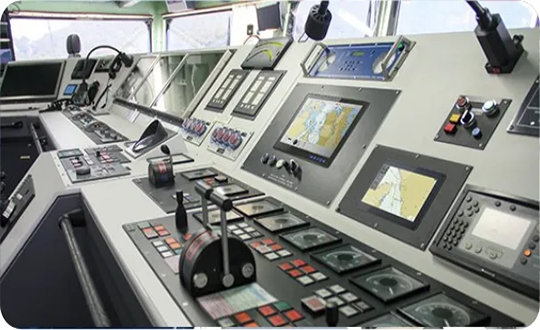
With the development of boats, yachts, marine equipment, outdoor industrial equipment, and various mobile devices, displays have become an essential part of human-machine interaction systems. In boat cockpits, marine navigation systems, marine instruments, fish finders, and outdoor industrial control equipment, displays need to provide clear information while maintaining stable operation under direct sunlight, temperature variations, moisture, vibration, and other demanding outdoor conditions.
Therefore, choosing a suitable Marine Display requires more than simply considering screen size and resolution. Key factors such as sunlight readability, brightness, operating temperature, environmental protection, viewing angle, touch performance, and overall reliability should also be evaluated.
This guide explains the key factors to consider when selecting a Marine Display and helps equipment manufacturers choose the right display solution for their specific applications.
What Is a Marine Display?
A Marine Display is a display solution designed for boats, yachts, marine equipment, and other maritime applications. Compared with displays designed for typical consumer electronics, these displays often need to operate in more demanding environments.
Typical applications include:
- Boat cockpits
- Marine navigation equipment
- Marine monitoring systems
- Marine instruments
- Fish finders
- Yacht control systems
- Marine automation equipment
- Offshore communication equipment
In these applications, equipment may be exposed to strong sunlight, moisture, temperature variations, and mechanical vibration for extended periods. Therefore, display solutions for these environments generally require good sunlight readability, wide-temperature operation, reliability, and environmental adaptability.
Why Do Marine and Outdoor Equipment Need Specialized Displays?
Standard displays are primarily designed for indoor environments, while marine and outdoor equipment may need to operate under much more challenging conditions.
Under direct sunlight, conventional LCD displays may suffer from reflections and reduced visibility, making it difficult for users to read maps, navigation information, or equipment parameters.
In low- or high-temperature environments, an insufficient operating temperature range may result in:
- Slower display response
- Abnormal image performance
- Reduced contrast
- Unstable touch response
- Display malfunction
Marine and outdoor equipment may also be exposed to vibration, moisture, dust, and other environmental factors.
Therefore, when selecting a Marine Display or Outdoor Display, it is important to evaluate the actual operating environment rather than comparing screen size and resolution alone.
How to Choose a Marine Display?
A display solution for marine and outdoor environments should be evaluated from several key aspects.
Choose a Display with Good Sunlight Readability
In marine and outdoor applications, Sunlight Readability is an important factor affecting display performance.
Boat cockpits, yacht decks, and outdoor industrial equipment are often operated under natural light or even direct sunlight. If the display does not provide sufficient brightness, ambient light can significantly reduce screen readability.
For these applications, High Brightness Displays or Sunlight Readable Displays can be considered. High-brightness backlighting can improve visibility in bright environments, making navigation maps, instrument data, and control information easier to read.
However, the required brightness should be evaluated based on the installation location, ambient lighting conditions, power requirements, and other optical design factors. Higher brightness is not necessarily better for every application.
Choose the Display Size Based on Available Space
Display size should generally be determined according to the equipment structure, available installation space, and viewing distance.
Common display sizes include:
- 3.5–4 inches: Suitable for portable devices and compact instruments
- 5–7 inches: Suitable for marine instruments, navigation equipment, and control terminals
- 8–10.1 inches: Suitable for navigation systems, marine control systems, and larger equipment
- 12 inches and above: Suitable for large marine control terminals and professional display equipment
A larger display is not always better. When installation space is limited, an oversized display may increase the overall size of the equipment. However, if the system needs to display maps, navigation information, charts, and multiple parameters simultaneously, a larger viewing area may provide a better user experience.
Match Resolution to Display Size and Application Requirements
The required resolution mainly depends on the type of information and level of detail that the equipment needs to display.
If the display is primarily used for simple numbers, instrument readings, and status information, an extremely high resolution may not be necessary.
Higher resolution may be more important when the display needs to show:
- GPS maps
- Navigation routes
- Radar information
- Charts
- High-resolution images
- Complex user interfaces
In practical applications, screen size, viewing distance, and displayed content should all be considered rather than simply choosing the highest available resolution.
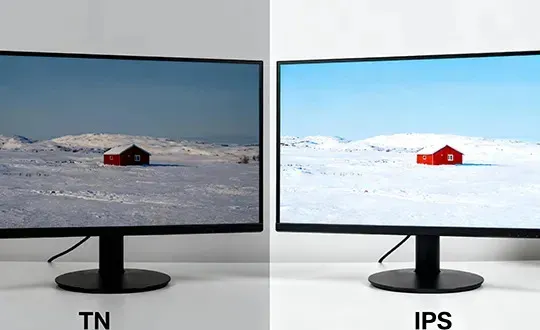
A Wide Viewing Angle Can Improve User Experience
Displays used in marine control equipment are not always viewed directly from the front. Operators may need to read information from different positions.
If the viewing angle is limited, viewing the display from the side may result in:
- Reduced brightness
- Lower contrast
- Color shifts
- Reduced image clarity
Therefore, marine navigation equipment, control terminals, and marine instruments can benefit from TFT LCDs with wide viewing angles, such as displays based on IPS technology.
Operating Temperature Is Important for Outdoor Displays
Outdoor environments can experience significant temperature variations. Marine and outdoor equipment may operate during hot summers, cold winters, or in environments with large differences between daytime and nighttime temperatures.
Therefore, Operating Temperature and Storage Temperature are important specifications to verify during the selection process.
Outdoor equipment should be equipped with a suitable wide-temperature display solution based on its intended operating region and actual working environment.
For equipment designed to operate under extreme temperatures, additional consideration should be given to the performance of the backlight, liquid crystal materials, and touch components under different temperature conditions.
Water and Dust Protection Is Also Important
One of the major differences between marine applications and typical indoor equipment is exposure to:
- Water
- Saltwater spray
- Moisture
- Dust
- Sand and particles
- Oil and other contaminants
If the display module is installed on the exterior of the equipment, its overall environmental protection requirements should be carefully evaluated.
It is important to note that protection provided by the display module does not automatically mean that the complete equipment has the same IP protection rating. The final protection level may depend on the display structure, touch panel, cover glass, housing, sealing design, and overall equipment construction.
If a specific IP rating is required, it should be discussed with the display supplier at the early stage of the project.
Anti-Glare Design Can Improve Outdoor Visibility
In addition to brightness, reflections from the display surface can also affect outdoor readability.
When sunlight hits the display surface, reflected light may obscure the information shown on the screen.
Depending on the application, the following technologies can be considered:
- Anti-Glare
- Anti-Reflective
- Optical Bonding
Optical bonding can reduce reflections caused by the air gap between display components and improve visibility in bright environments.
For high-end marine navigation equipment and outdoor control terminals, these optical technologies can be particularly valuable.
Choose a Touchscreen Based on the Operating Environment
More marine and outdoor equipment now integrates touchscreens to provide a more intuitive human-machine interface.
Common touch technologies include:
- Resistive Touchscreen
- Projected Capacitive Touchscreen
- Custom Touch Panel
Different touch technologies are suitable for different operating environments.
Resistive touchscreens can be suitable for equipment that needs to be operated with gloves or a stylus. PCAP touchscreens are generally suitable for applications requiring multi-touch functionality and a modern user interface.
When selecting a touchscreen, consider:
- Whether users need to wear gloves
- Whether water droplets may be present
- Whether multi-touch is required
- Whether a stylus is required
- Whether scratch-resistant glass is needed
- Whether a customized cover glass is required
The touchscreen should ultimately be selected according to the actual operating environment and user requirements.
Choose the Right Display Interface
The display needs to communicate with the main control board of the equipment, making interface compatibility an important consideration.
Common display interfaces include:
- RGB
- LVDS
- MIPI DSI
- SPI
- HI
- eDP
Different systems may use different interfaces. Before selecting a display, manufacturers should confirm the mainboard interface type and the relevant electrical specifications.
Select the Display According to Power Requirements
For marine equipment, portable navigation devices, and outdoor mobile terminals, power consumption is also an important consideration.
This is particularly important for battery-powered equipment, where the display backlight can represent a significant portion of the system’s overall power consumption.
Depending on the application, manufacturers can consider:
- High-efficiency LED backlighting
- Adjustable brightness
- Low-power TFT displays
- Transflective Displays
In certain outdoor environments, a Transflective Display can use ambient light to assist the display image, helping balance readability and power consumption under suitable conditions.
Which Display Technology Is Suitable for Marine Applications?
Different applications may benefit from different display technologies.
High Brightness TFT LCD
Suitable for equipment that needs to maintain good readability under strong ambient light, such as marine navigation systems, yacht displays, outdoor control terminals, and industrial equipment.
Transflective LCD
For portable equipment that needs to balance outdoor readability and power consumption, Transflective LCD technology can be a practical option.
IPS TFT LCD
If the equipment requires a wide viewing angle and good color performance, IPS TFT LCD technology can provide a suitable solution.
Typical applications include:
- Marine Navigation Display
- Boat Control Display
- Outdoor HMI
- Industrial Display
Optical Bonded Display
For equipment that requires improved outdoor visibility, reduced reflections, and enhanced overall display performance, Optical Bonding can be considered.
Typical Applications of Marine Displays
Marine navigation systems can use displays to show:
- GPS information
- Navigation routes
- Maps
- Navigation data
- Position information
Yacht display systems can be used for:
- Instrument panels
- Control panels
- Entertainment systems
- Marine monitoring
Fish finders can display:
- Underwater information
- Water depth
- Detection results
Marine instruments can display:
- Engine parameters
- Speed
- Temperature
- Fuel level
- Battery status
These applications typically place high demands on display brightness, wide-temperature performance, reliability, and environmental adaptability.
Beyond boats and marine equipment, these display characteristics are also useful for agricultural machinery, construction equipment, outdoor automation systems, portable industrial terminals, and outdoor HMI applications.
Marine Display Frequently Asked Questions
What is a Marine Display?
A Marine Display is a display designed for boats, yachts, marine equipment, and other maritime applications. Compared with standard displays, it typically requires better sunlight readability, wide-temperature performance, reliability, and environmental adaptability.
What brightness is suitable for a Marine Display?
The required brightness depends on the installation location and ambient lighting conditions.
For equipment frequently used outdoors or under direct sunlight, High Brightness Displays or Sunlight Readable Displays are generally worth considering.
Can a Marine Display be used outdoors?
Yes. Marine Display and Outdoor Display applications share many requirements, including high brightness, wide-temperature operation, and environmental adaptability.
However, suitability for a specific outdoor application should still be evaluated based on factors such as temperature, water and dust exposure, vibration, and installation conditions.
Can HOTHMI customize a Marine Display?
Yes. Depending on project requirements, HOTHMI can discuss customization options including display size, brightness, touchscreen, interface, FPC, cover glass, and mechanical structure.
Recommended HOTHMI Marine Display Solutions
Choosing the right Marine Display depends on the application environment, viewing conditions, display size, and system requirements. HOTHMI offers a range of high-brightness, sunlight-readable, wide-temperature, and transflective TFT LCD solutions for marine and outdoor applications.
5.7-inch Sunlight Readable Marine Display
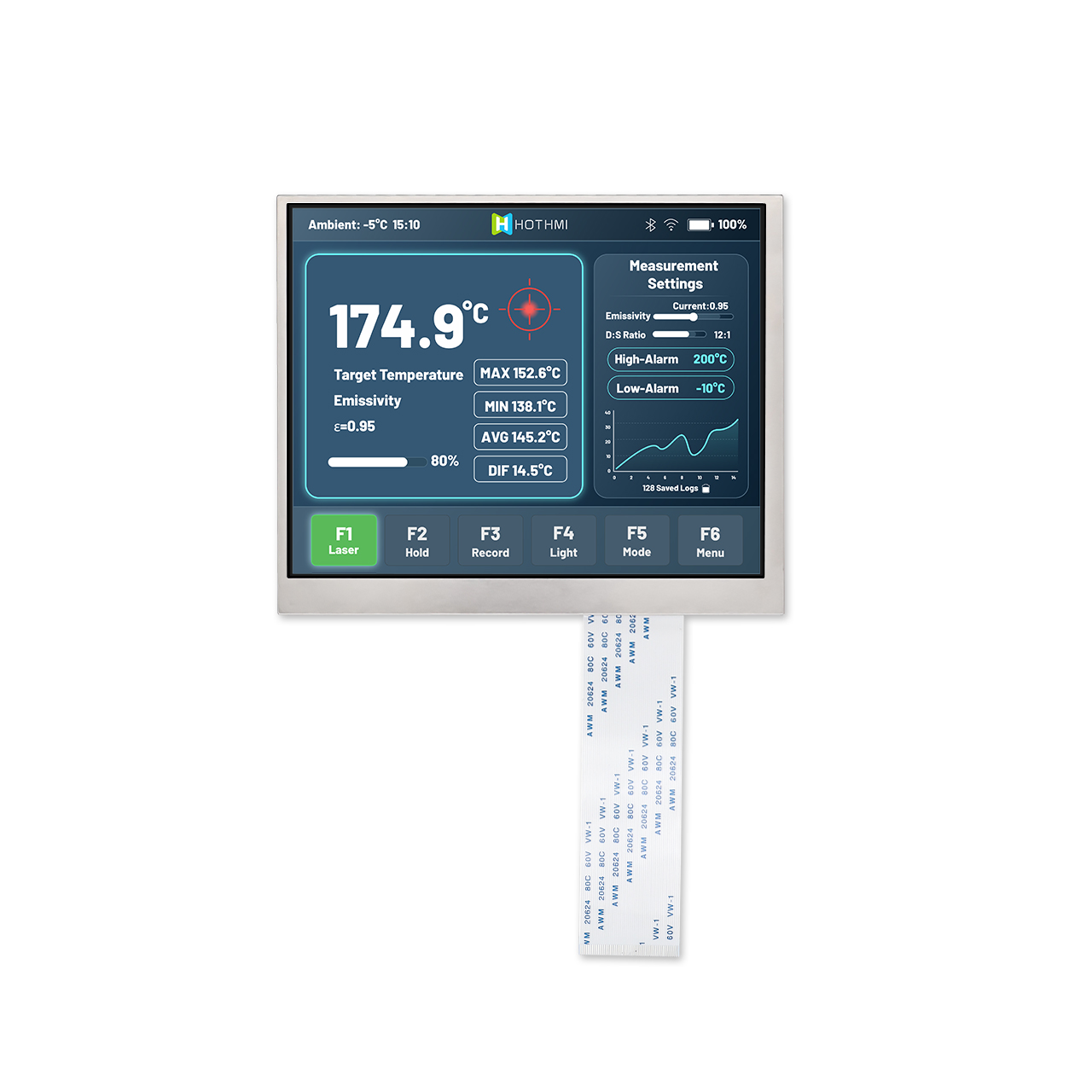
Model: TFT-H057A03VGIJDKN50
Key Features:
- 5.7-inch TFT LCD
- 640 × 480 resolution
- 1000±150 cd/m² brightness
- IPS full viewing angle
- RGB interface
- -30°C to +80°C operating temperature
Designed for marine and outdoor applications, this 5.7-inch display combines high brightness, wide viewing angles, and a wide operating temperature range to provide clear and reliable visual performance in demanding environments. It is well suited for marine navigation systems, boat displays, marine instruments, and outdoor industrial equipment.
7-inch Sunlight Readable TFT Display
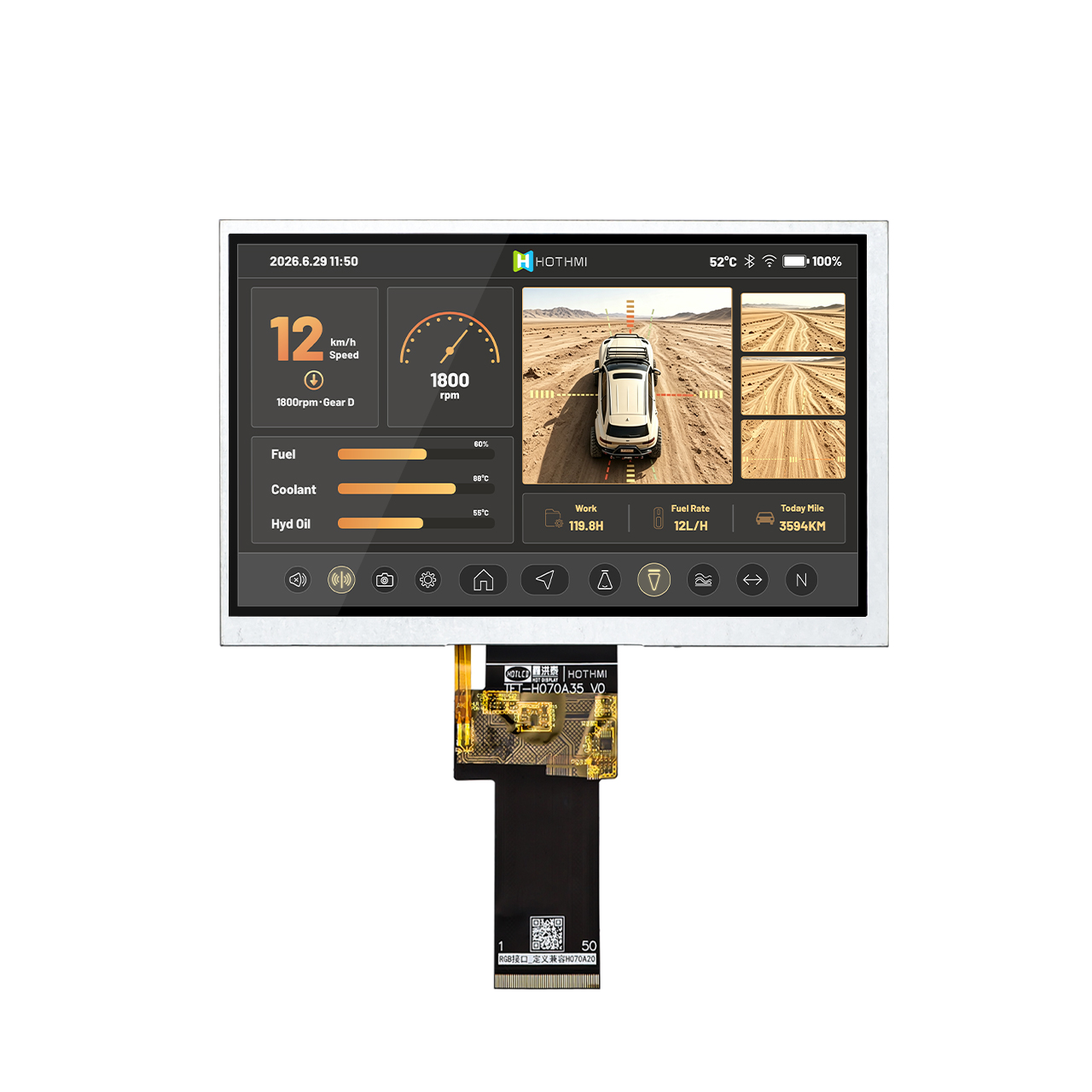
Model: TFT-H070A35SVIGH8N50
Key Features:
- 7-inch TFT LCD
- 800 × 480 resolution
- 850±150 cd/m² brightness
- RGB interface
- Full viewing angle
- Optional capacitive touch
- -20°C to +70°C operating temperature
Designed for marine navigation and outdoor control applications, this 7-inch display provides a larger viewing area while maintaining high brightness and wide viewing angles. It is suitable for boat displays, navigation equipment, marine instruments, and outdoor industrial control systems where clear information viewing is important.
4-inch Transflective Marine & Outdoor Display
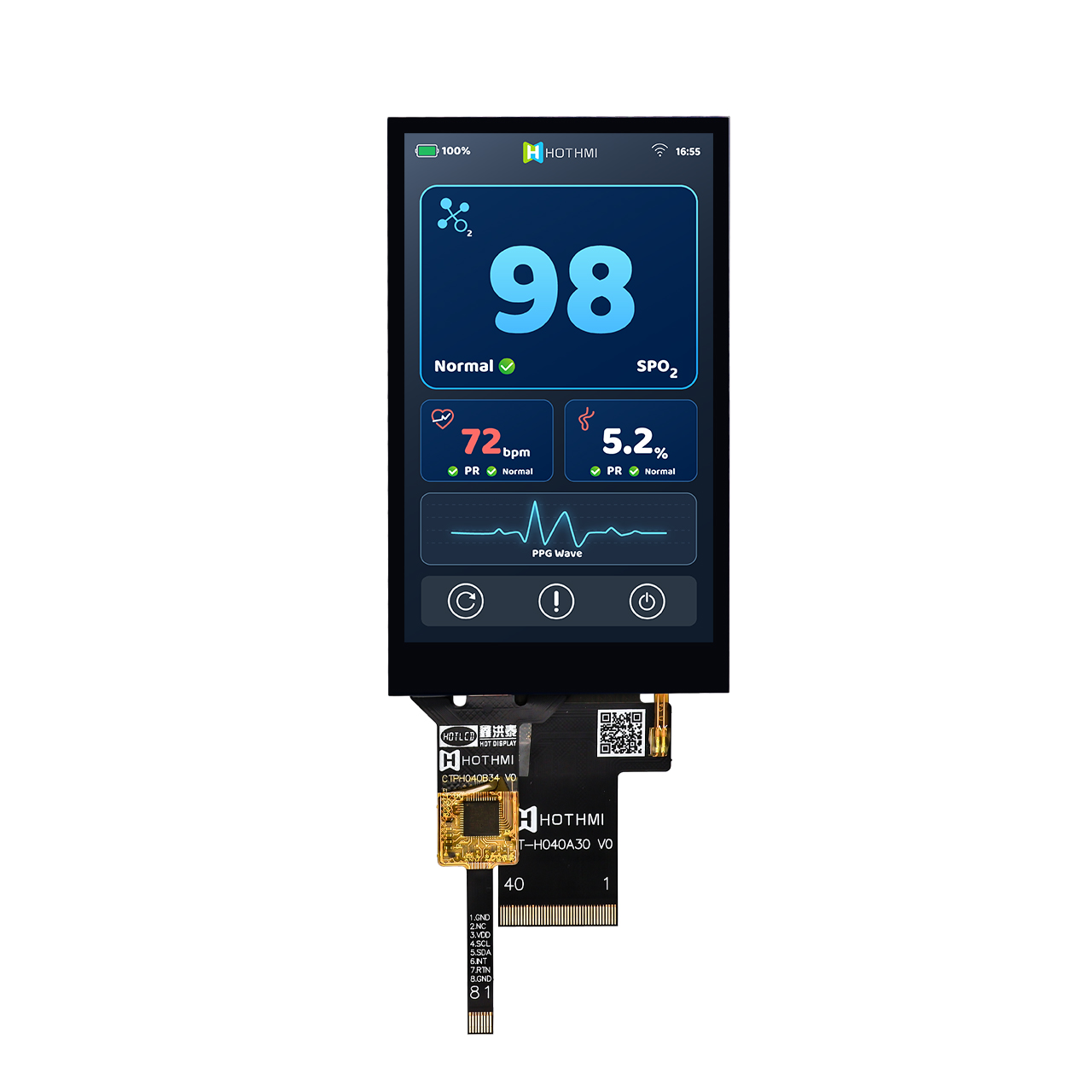
Model: TFT-H040A30WVISTNC40
Key Features:
- 4-inch TFT LCD
- 480 × 800 resolution
- Transflective technology
- RGB interface
- -30°C to +80°C operating temperature
- ST7701 driver IC
Designed for compact marine and outdoor devices, this 4-inch transflective display offers a balance between outdoor readability, compact size, and low power requirements. It is suitable for portable navigation equipment, marine instruments, handheld devices, and other outdoor industrial applications where installation space is limited.
Conclusion
Choosing the right Marine Display requires more than simply considering display size, resolution, or price.
For marine and outdoor equipment, it is more important to evaluate the display according to the actual operating environment, including:
Sunlight Readability + Brightness + Viewing Angle + Wide Temperature + Environmental Protection + Touch Performance + Interface + Power Consumption
A well-designed Marine Display can help equipment maintain clear, stable, and reliable visual performance in demanding outdoor environments.
For marine navigation, yacht control systems, marine equipment, industrial equipment, and other outdoor applications, working with a manufacturer that has display development and customization capabilities can help ensure that the final display solution matches the actual requirements of the equipment.
Why Choose HOTHMI as Your Marine Display Supplier?
Marine display projects are often more than simple standard-product purchases. Different boats, marine systems, and outdoor equipment may have different display requirements.
Choosing a manufacturer with display customization capabilities can help equipment manufacturers develop a solution that better matches their actual application requirements.
HOTHMI provides TFT LCD, LCD, OLED, touchscreen, and HMI display solutions for a wide range of applications. Display solutions can be matched to specific requirements such as display size, brightness, touchscreen configuration, interface, and operating environment.
For Marine Display and Outdoor Display projects, HOTHMI can work with customers to evaluate the appropriate display configuration based on the specific requirements of the final equipment.
Share your marine display size, resolution, brightness, interface, touch technology, operating temperature, and other technical specifications with our team. HOTHMI can provide both standard display products and customized display solutions for marine and outdoor equipment. Please feel free to contact us for further details and quotations.