Description
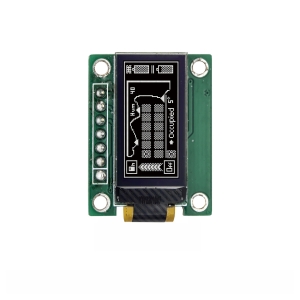
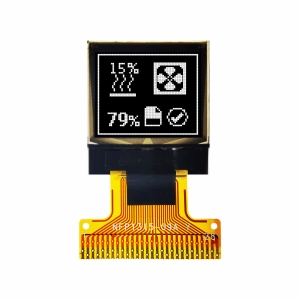
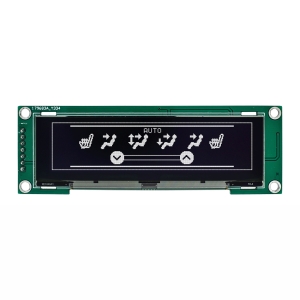
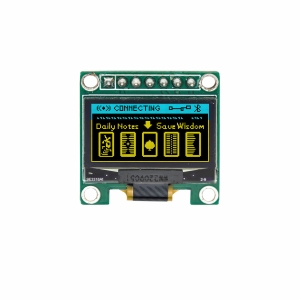
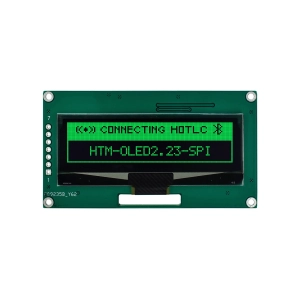
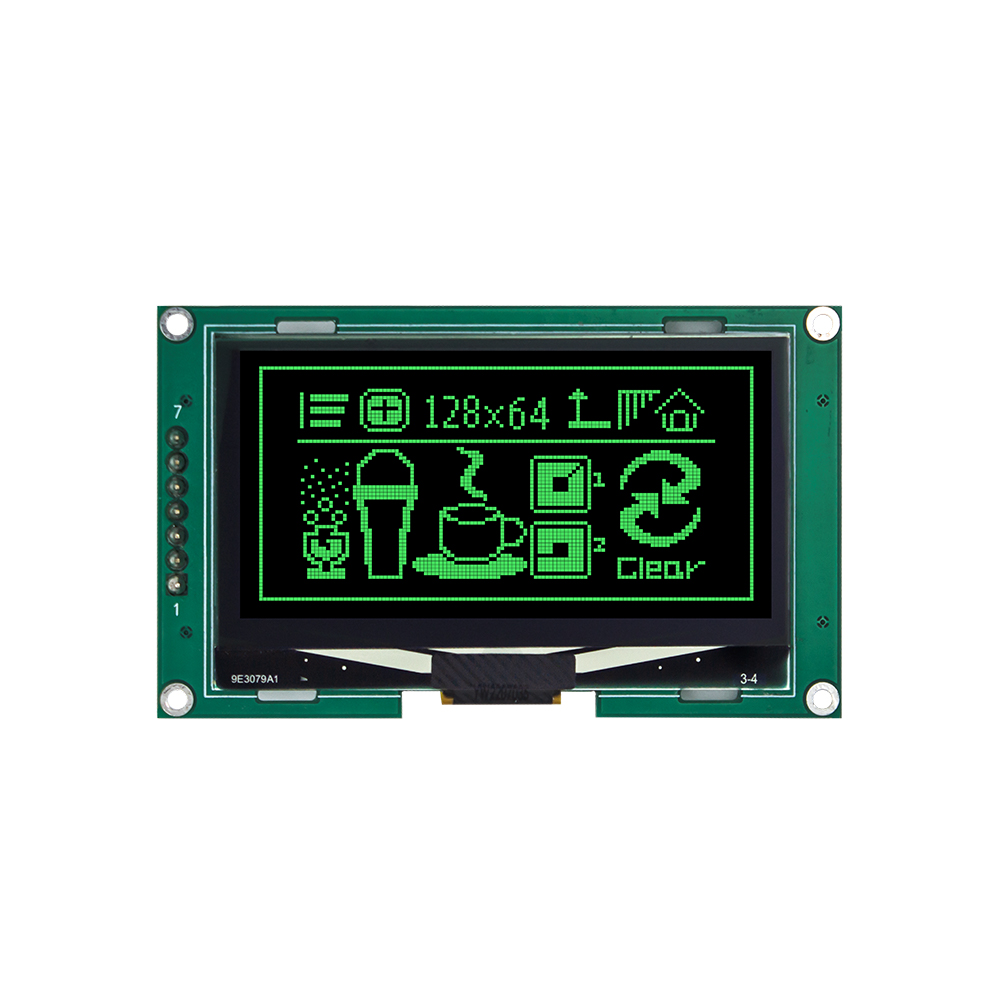
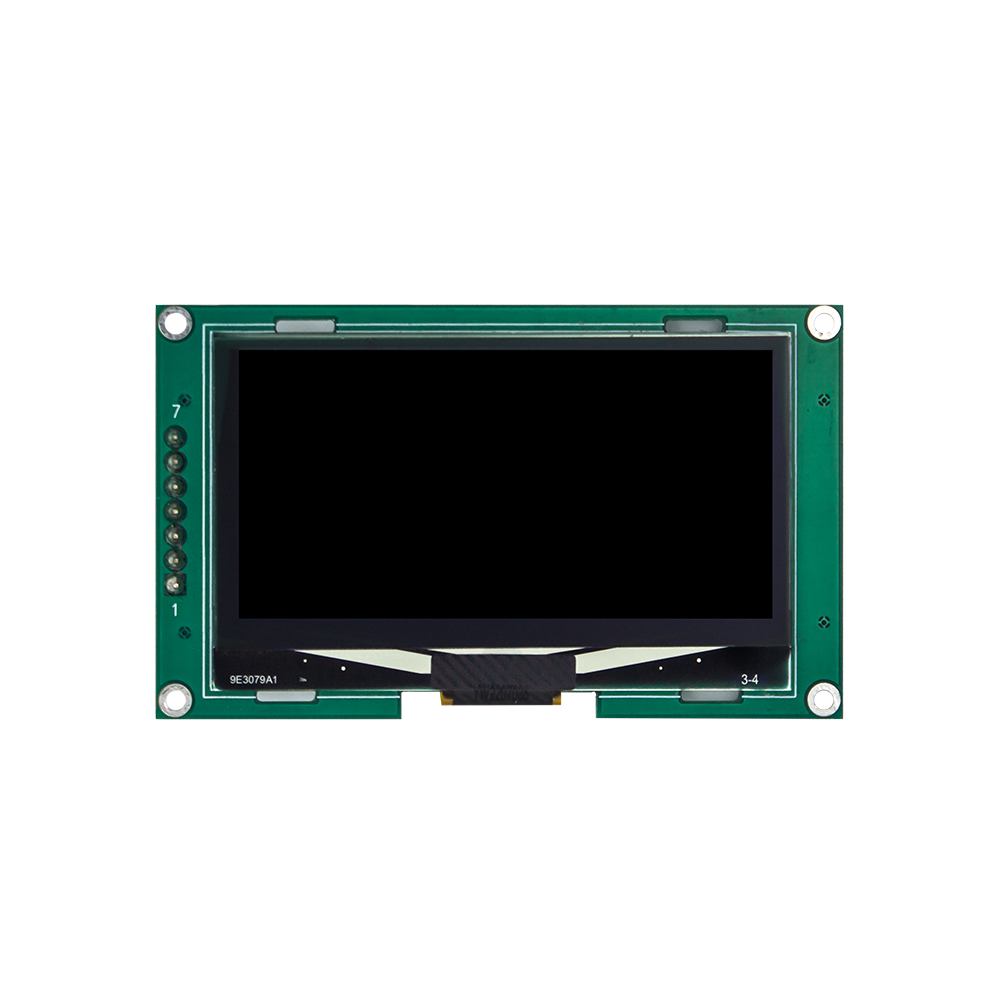
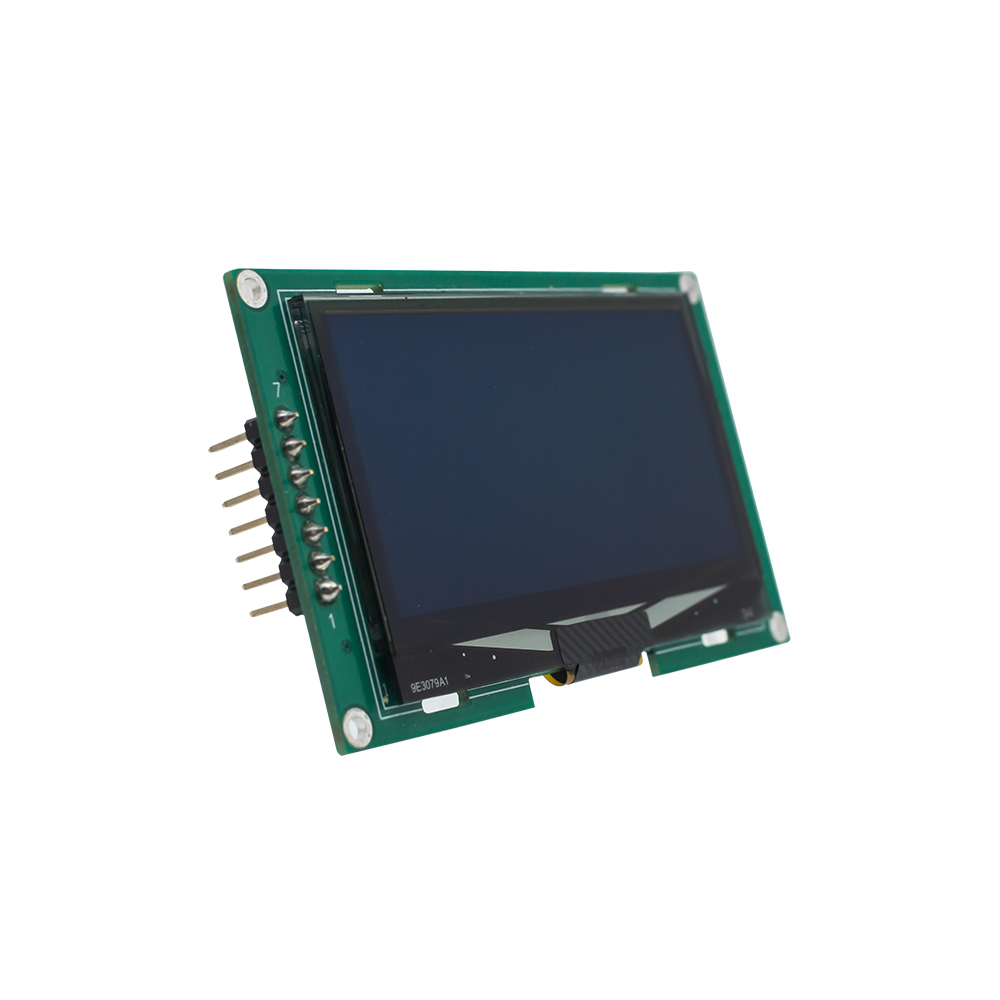
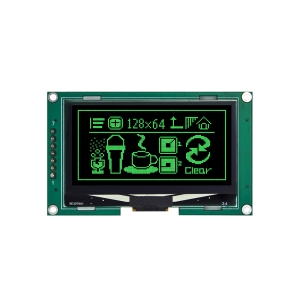
128×64 OLED module Core Overview
128×64 OLED Highlights
Excellent Display Performance, Adaptable to Complex Environments
- High Contrast Ratio and Wide Viewing Angle:The 128×64 OLED module adopts self-luminous pixels, which make the black area completely non-luminous, with a contrast ratio more than 10 times higher than that of traditional LCD. The viewing angle of the 128×64 OLED covers 178° horizontally/vertically, with no color distortion or whitening when viewed from any angle.
- Fast Response: The pixel response time is <10μs, much faster than the millisecond-level response of LCD. There is no trailing when displaying dynamic icons and refreshing data, which is suitable for real-time data scenarios such as industrial instruments and heart rate monitoring.
- Wide Temperature Operating Range:The 128×64 OLED supports extreme temperature environments of -40℃~80℃, and can still light up stably in outdoor low-temperature and industrial high-temperature scenarios without startup delay or display abnormalities, adapting to various harsh working conditions.
Compact Structure and Easy Integration Design
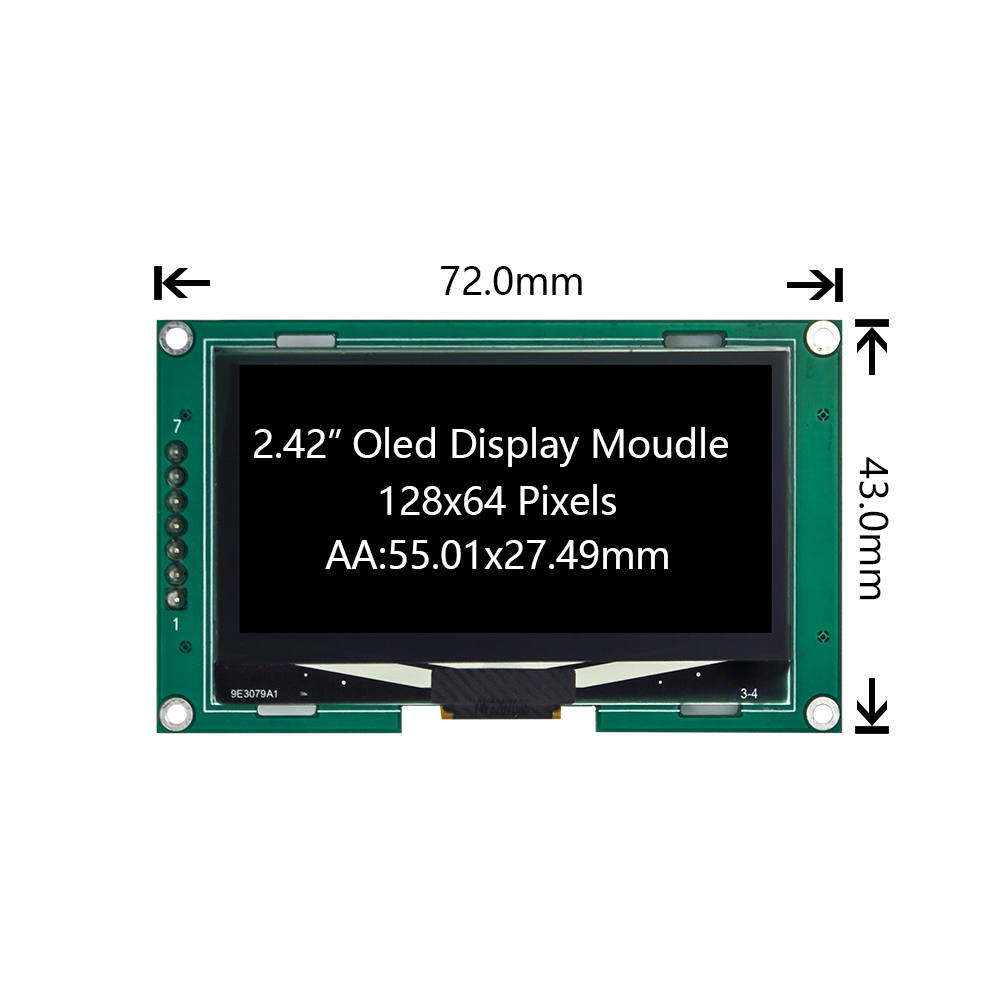
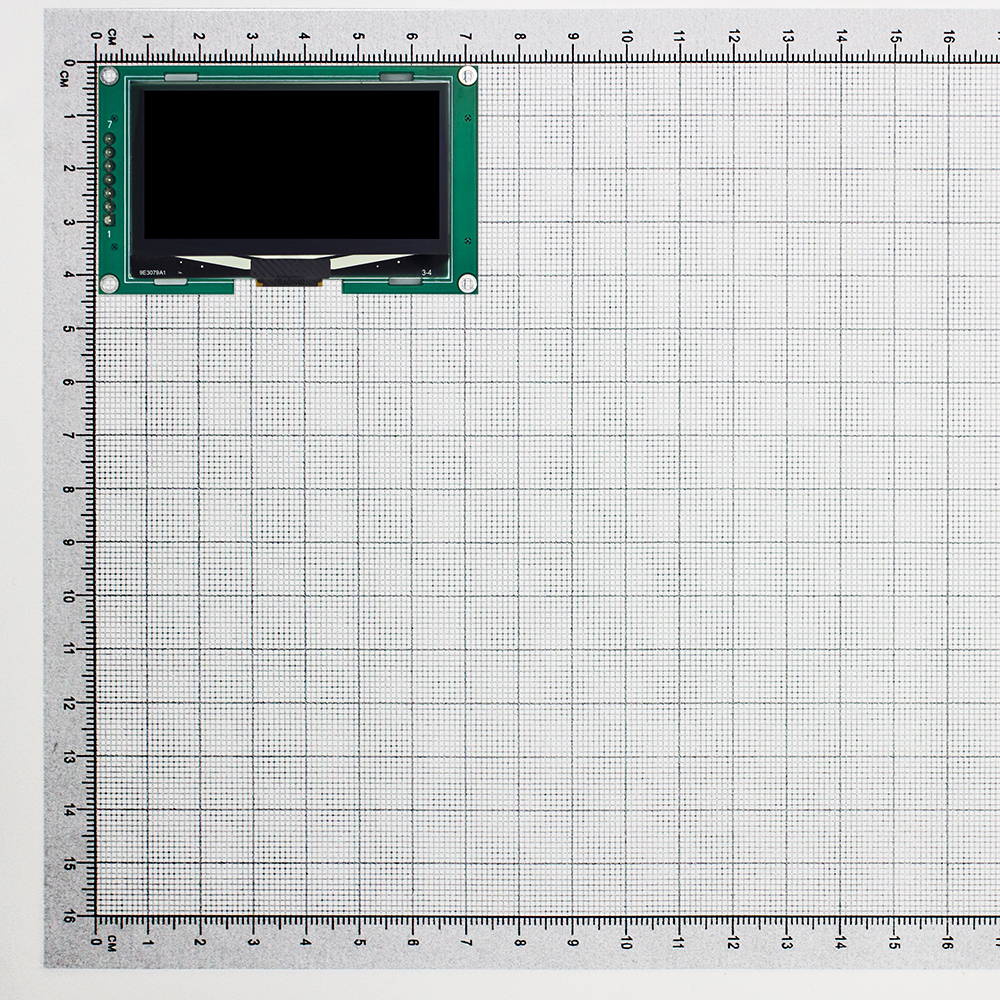
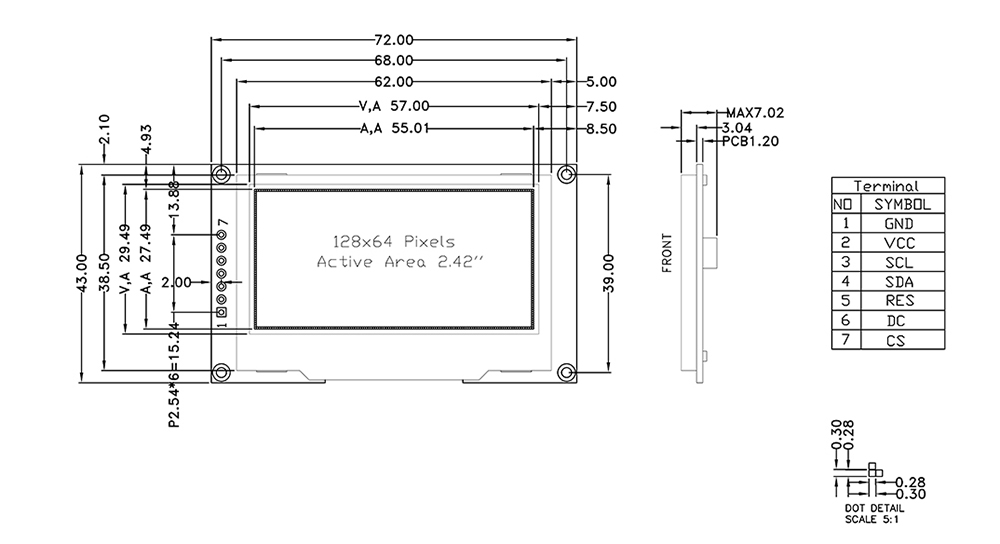
- Standardized Size: The overall size of 72.00mm*39.00mm and precise hole position design are compatible with most general-purpose shells and mounting brackets, allowing customers to quickly adapt without additional mold opening.
- Ultra-thin Body:The PCB thickness of the 128×64 OLED module is only 1.20mm, and the maximum overall thickness is 7.02mm, suitable for thickness-sensitive devices such as portable detectors.
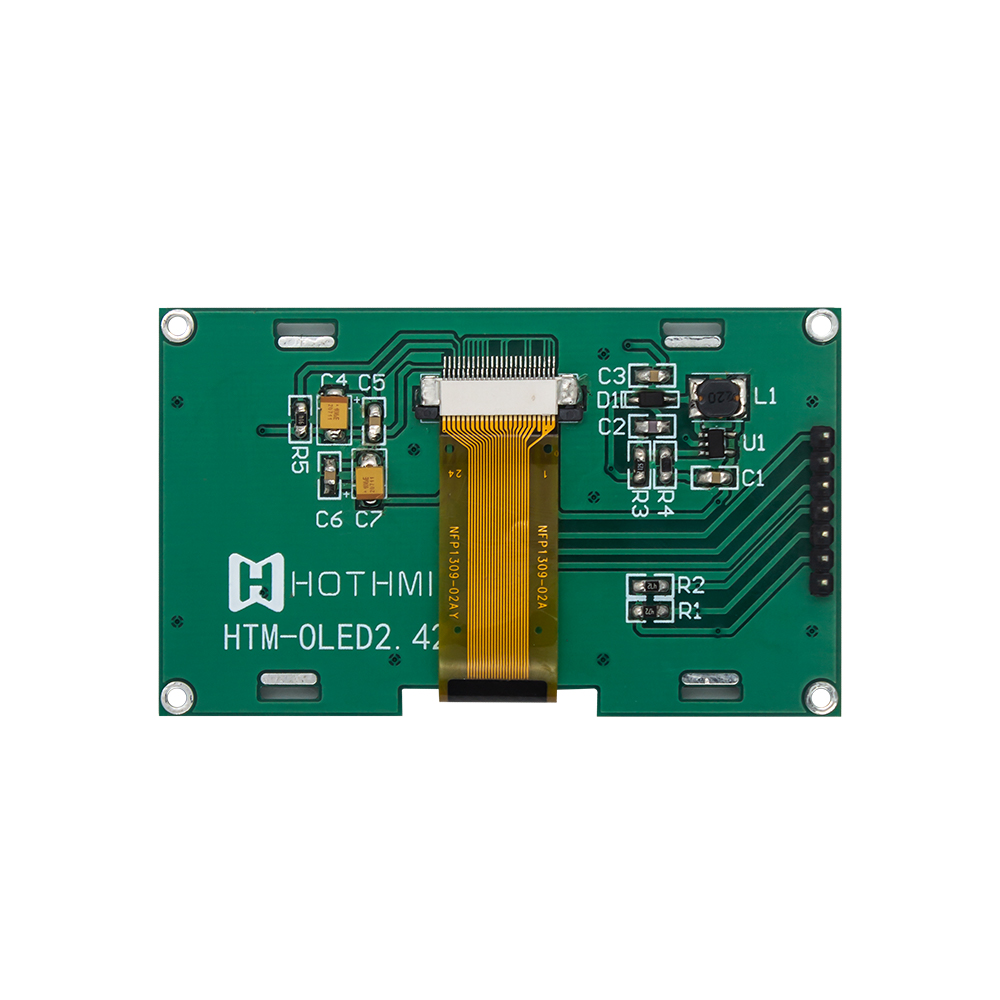
- Minimalist Interface: The 7Pin interface covers all functions such as power supply (GND/VCC), communication (SCL/SDA/CS), and control (RES/DC), supporting 3.3V/5V level compatibility without additional level conversion circuits.
Low Power Consumption and Long Service Life
- Ultra-low Power Consumption: The working current is <20mA, and the standby current is <10μA. Compared with the same size LCD module, the power consumption is reduced by more than 60%, which significantly extends the battery life of battery-powered devices.
- Long Service Life Guarantee: Adopting high-quality OLED panel, the theoretical service life is >50000 hours, supporting 24-hour continuous operation, meeting the long-term operation needs of industrial equipment and intelligent instruments.
- Strong Anti-interference Ability: Built-in ESD protection circuit and signal filtering design, which can resist electromagnetic interference in industrial fields and maintain stable communication and display in complex electromagnetic environments.
Developer-friendly and Ecological Support
- Rich Driver Libraries: Open-source driver codes for mainstream platforms such as Arduino, STM32, and Raspberry Pi are provided, supporting Chinese, English, and icon display, allowing developers to quickly implement functional prototypes.
- Flexible Communication Protocols: It supports both SPI and I2C communication modes, which can be switched according to project needs to adapt to the resource allocation of different microcontrollers.
- Comprehensive Technical Documentation: Detailed datasheet, pin definition, reference circuit and routines are provided, reducing the customer’s development cycle and quickly realizing mass production of products.
Technical FAQ about 128×64 OLED
Q1: What communication interfaces does this 128×64 OLED display support? How to choose the appropriate communication mode?
A: This module supports two mainstream communication interfaces: SPI and I2C, which can be switched through pin configuration:
- I2C Mode: Only two signal lines, SCL and SDA, are needed, which occupies less microcontroller resources and is suitable for small MCUs with tight resources. However, the communication rate is relatively low (maximum 400kHz), which is suitable for static text and icon display scenarios.
- SPI Mode: It requires signal lines such as SCL, SDA, CS, and DC, with a higher communication rate (maximum 10MHz), which is suitable for scenarios that need to quickly refresh dynamic images and data, such as real-time waveform display.
Selection Suggestion: If the project has high requirements on power consumption and resource occupation, I2C mode is preferred; if high-frequency refresh or complex graphics are needed, SPI mode is recommended.
Q2: What is the working voltage range of the 128×64 OLED module? Does it support direct connection with 3.3V and 5V microcontrollers?
A: The recommended working voltage of the module is 3.3V~5V DC. It has a built-in voltage stabilization circuit and level conversion circuit, which can be directly connected to 3.3V (such as STM32, ESP32) or 5V (such as Arduino Uno, ATmega series) microcontrollers without additional level conversion chips.
Note: The power supply voltage must be stable between 3.0V~5.5V. Exceeding 5.5V may cause permanent damage to the module; below 3.0V will cause dim display, failure to light up and other problems.
Q3: What is the driver chip model of this 128×64 OLED module? Is there open-source driver code support?
A: This module adopts an SSD1306-compatible driver chip, which is a mainstream driver solution for 128×64 OLED displays with a complete ecosystem:
- Open-source Driver Support: Mature SSD1306 driver codes are available on platforms such as GitHub, Arduino Library, and STM32 HAL Library, including functions such as text display, graphics drawing, and scrolling display.
- Code Compatibility: The driver code can be directly ported to mainstream microcontroller platforms, only need to modify the pin definition and communication mode configuration, without developing from scratch.
- Technical Documentation: The module’s supporting datasheet provides detailed register descriptions and communication timings, facilitating developers to carry out in-depth customization.