Description
I. Product Overview
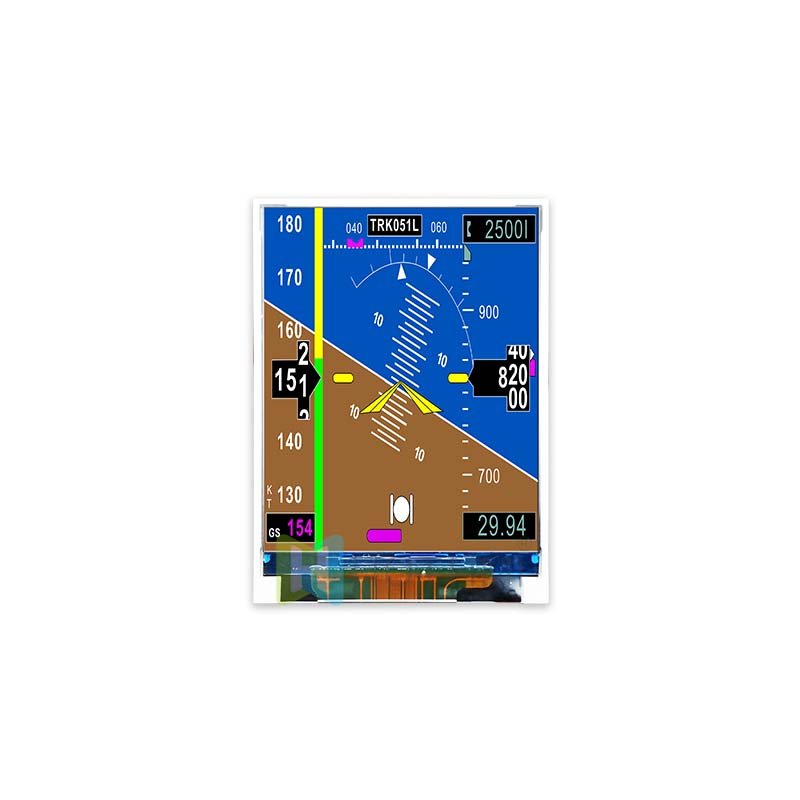
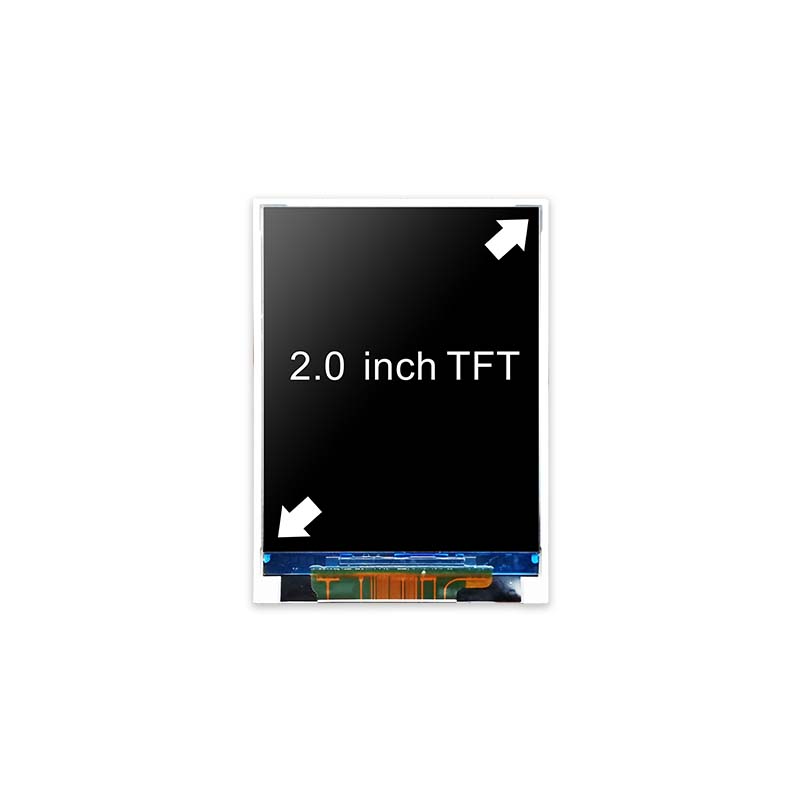
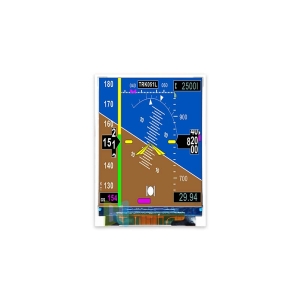
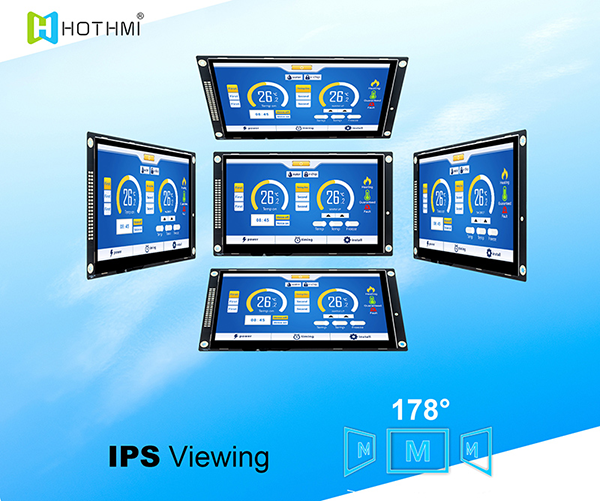
The HTM020A01, launched by HOTHMI, is a high-performance 2.0‑inch High Brightness TFT Screen liquid crystal display module. It integrates the advanced ST7789V driver chip and delivers 240×RGB×320 resolution with full‑angle viewing, producing vivid, true‑color and finely detailed images. Its compact footprint and ultra‑thin profile – front dimensions of 35.70mm × 51.20mm and an active display area of 30.60mm × 40.80mm – make it an excellent fit for portable and small‑form‑factor embedded devices.
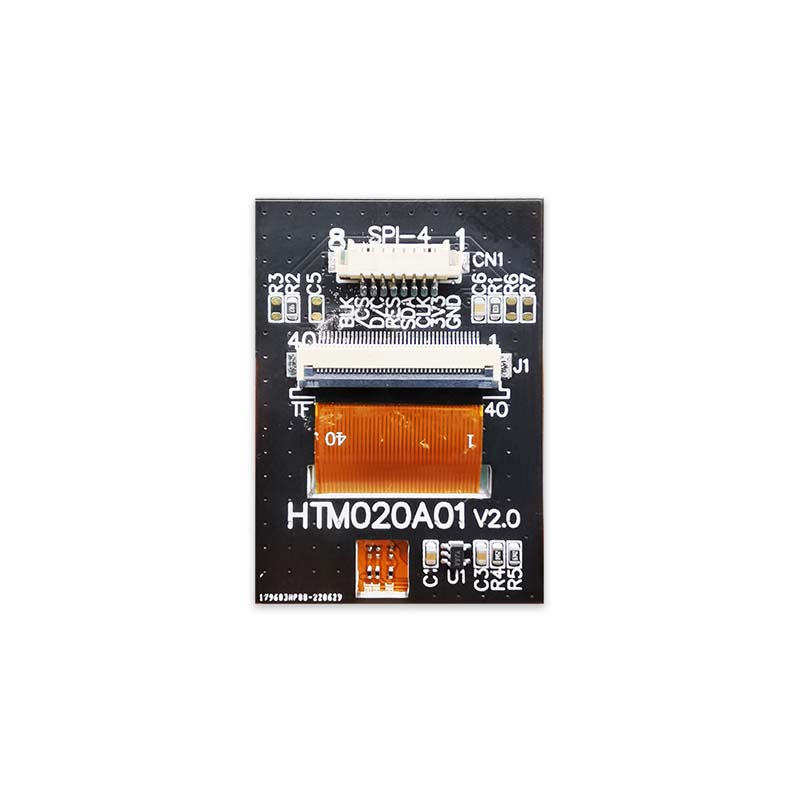
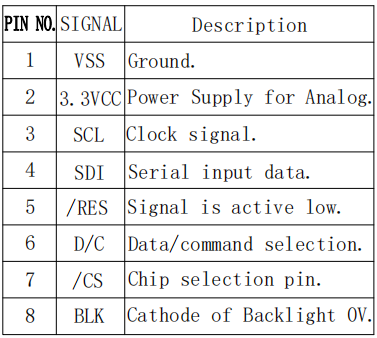
The interface adopts an efficient MCU SPI‑4L (4‑wire serial peripheral interface), with pin assignments including VSS (ground), 3.3VCC (analog supply), SCL (clock), SDI (serial data input), /RES (low‑level reset), D/C (data/command select), /CS (chip select), and BLK (backlight cathode). It requires only a few GPIO pins for stable control. The backlight system consists of high‑brightness white LEDs, with a typical operating voltage of 3.3V and current of 80mA, delivering up to 750 cd/m² screen luminance – ensuring excellent readability under various indoor lighting conditions.
Moreover, the High Brightness TFT Screen module boasts strong environmental resilience, with a working temperature range from -20°C to +70°C and storage temperatures from -30°C to +80°C. By packing high resolution and high brightness into a remarkably small physical size, this module is an ideal choice for outdoor handheld terminals, smart instruments, and industrial control panels.
II. Core Highlights of High Brightness TFT Screen
- Superior Readability Under Bright Indoor Light
As a product prominently labeled as a High Brightness TFT Screen, the HTM020A01 reaches 750 cd/m² brightness. Combined with the high transmittance of its transmissive LCD, it maintains clear, legible content even in strong indoor light or semi‑outdoor environments, with no reflection dead zones – effectively overcoming the common “blackout in bright light” issue found in conventional low‑brightness screens. - Distortion‑Free Full‑Angle Viewing
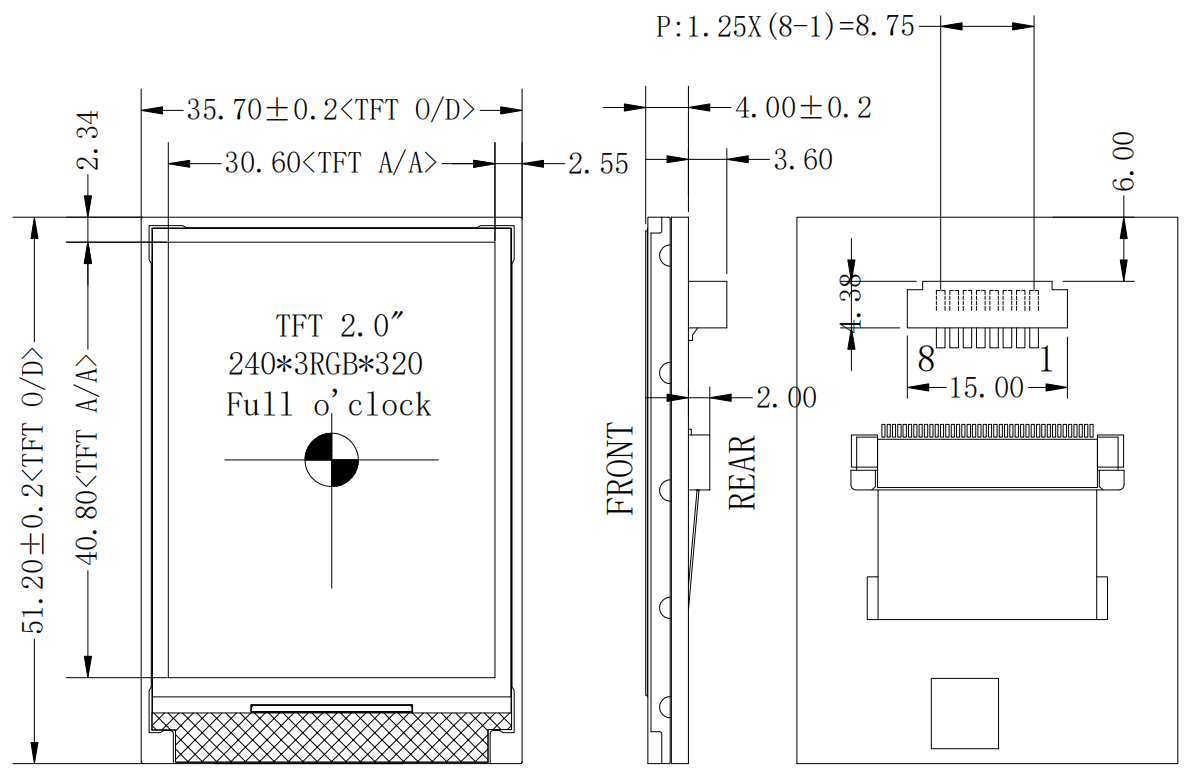
The High Brightness TFT Screen module features “Full o’clock” wide‑viewing‑angle performance. Whether viewed from top, bottom, left, or right, colours remain accurate and contrast does not invert. This is critical for industrial instruments and in‑vehicle displays that require data inspection from multiple angles. - Rugged Industrial‑Grade Temperature Tolerance
With an operating range of -20°C to +70°C and a storage range of -30°C to +80°C, this High Brightness TFT Screen is engineered to endure thermal cycling and sudden temperature variations, delivering dependable long‑term operation around the clock in demanding industrial settings.
III. Pin Definition
The High Brightness TFT Screen connects to the host board via an 8‑pin, 1.25mm‑pitch flexible printed circuit interface.
IV. Industry Application Scenarios
Thanks to the outstanding imaging capability of its High Brightness TFT Screen, the module is widely adopted in various precision, portable, and outdoor hardware terminals:
- Smart Industrial Instruments & Two‑Wheeler Dashboards
Extensively used in handheld infrared thermometers, digital multimeters, outdoor handheld GPS navigators, as well as smart dashboards for e‑bikes and electric motorcycles. - High‑End Medical Monitoring Devices
Serves as a graphical display for portable pulse oximeters, heart rate monitors, and wearable insulin pumps. Its excellent contrast and full‑angle viewing ensure that medical staff can accurately read vital parameters from any angle during emergencies. - Smart Home & IoT Gateway Panels
Integrated into premium smart touch light switches, thermostat control panels, and indoor display units for smart locks. The compact 2.0‑inch size fits perfectly into standard 86‑mm wall box panels, significantly enhancing the technological appeal of home appliances. - Two‑Wheel Mobility & Rugged Handheld Terminals
Ideal for industrial barcode scanners, outdoor walkie‑talkie screens, and logistics signature‑capture handhelds. The robust wide‑temperature architecture easily copes with extreme cold (-20°C) or scorching heat.
V. Technical Q&A
Q1: How should the backlight drive circuit for the High Brightness TFT Screen be designed? Can I power it directly from an I/O pin?
A1: No, you must not use a regular MCU I/O pin to supply power directly. According to the official specifications, the backlight’s typical operating parameters are Vf = 3.3V and If = 80mA. Most MCU I/O pins can only source 10mA–20mA – direct driving will either damage the I/O or result in a very dim display.
Proper approach: Use a transistor or N‑channel MOSFET to build a switching circuit. Connect the drain (or collector) to the module’s BLK pin, and the gate (or base) to the MCU’s PWM pin. Since the backlight LED’s forward voltage Vf is 3.3V, if your system VCC is also a stable 3.3V, you can drive it directly with the switching transistor in constant‑voltage mode. If the input supply is 5V, you must add a current‑limiting resistor or use a dedicated constant‑current backlight driver IC to clamp the current at 80mA and prevent LED burnout.
Q2: What is the power consumption of this 750 cd/m² High Brightness TFT Screen, and how should power management be handled in portable devices?
A2: Most of the module’s power is consumed by the backlight (3.3V × 80mA ≈ 0.264W). In battery‑powered handheld devices, keeping the backlight always on will significantly shorten battery life.
Energy‑saving strategies:
- PWM dynamic dimming: Use an MCU timer to generate a PWM signal for the BLK pin. In indoor or low‑light conditions, software can automatically reduce the backlight to 20% (by lowering duty cycle), and ramp it up to 100% in bright outdoor environments – achieving a dynamic balance between visibility and power usage.
- Software standby / sleep: When the device is idle for a set period, the host can send the Sleep In (0x10) command to the ST7789V to shut down the internal oscillator, while simultaneously pulling the BLK pin high (backlight off). In this state, the overall current draw can drop to the microamp (µA) range, greatly extending the battery standby time of the device.