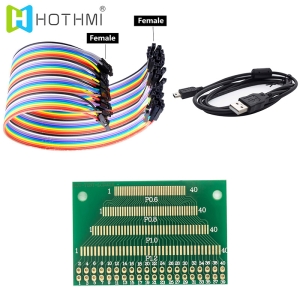
-300x300.jpg)
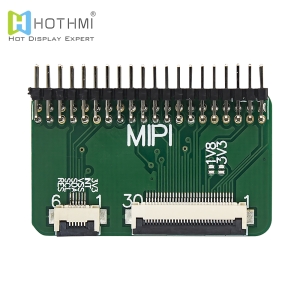
Description
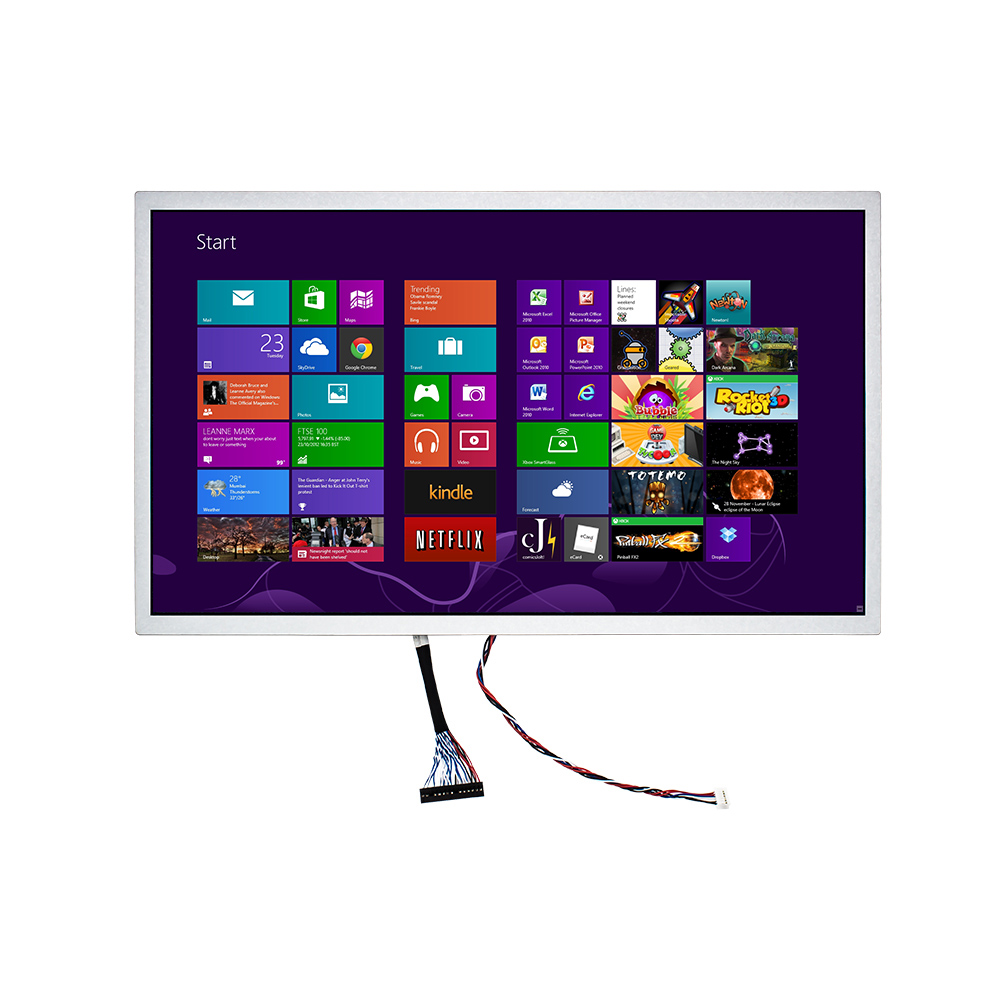
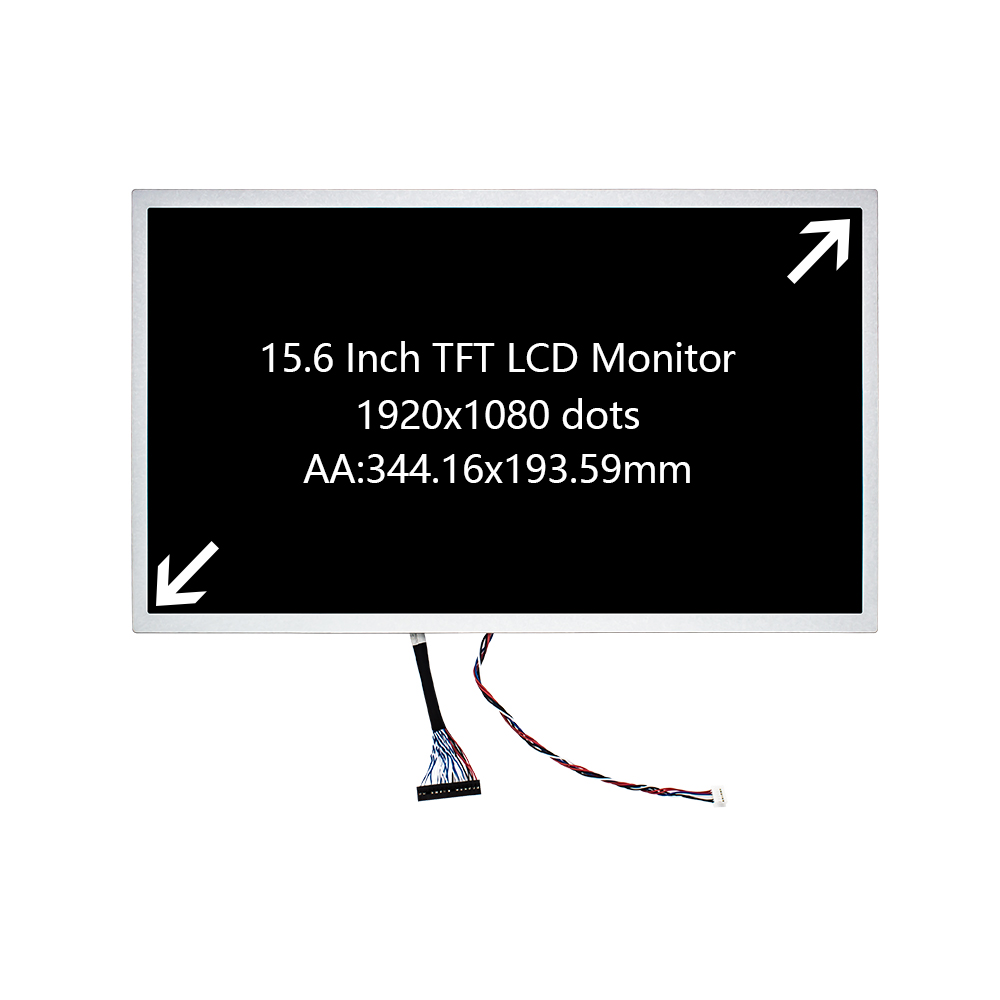
15.6 inch LCD Monitor Panel Product Brief
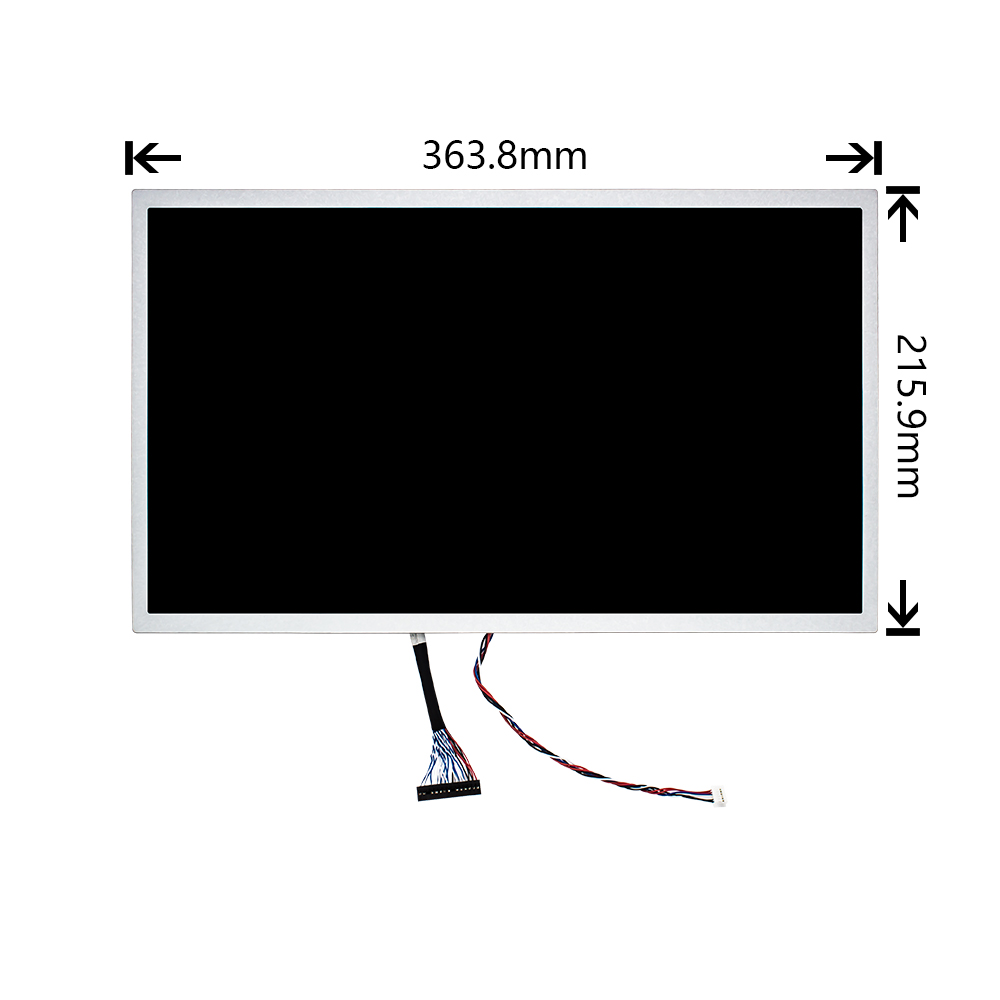
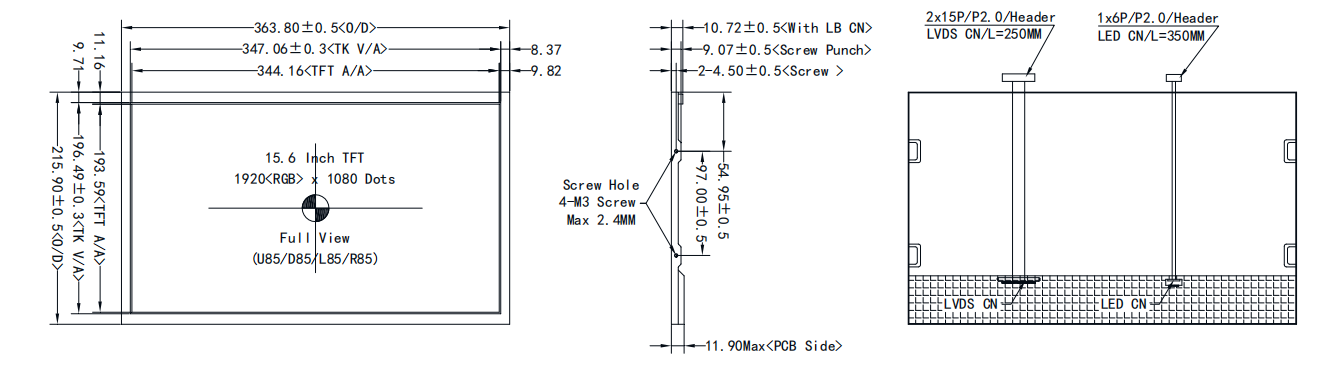
Outline Dimensions
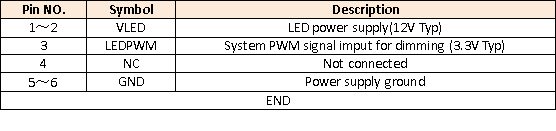
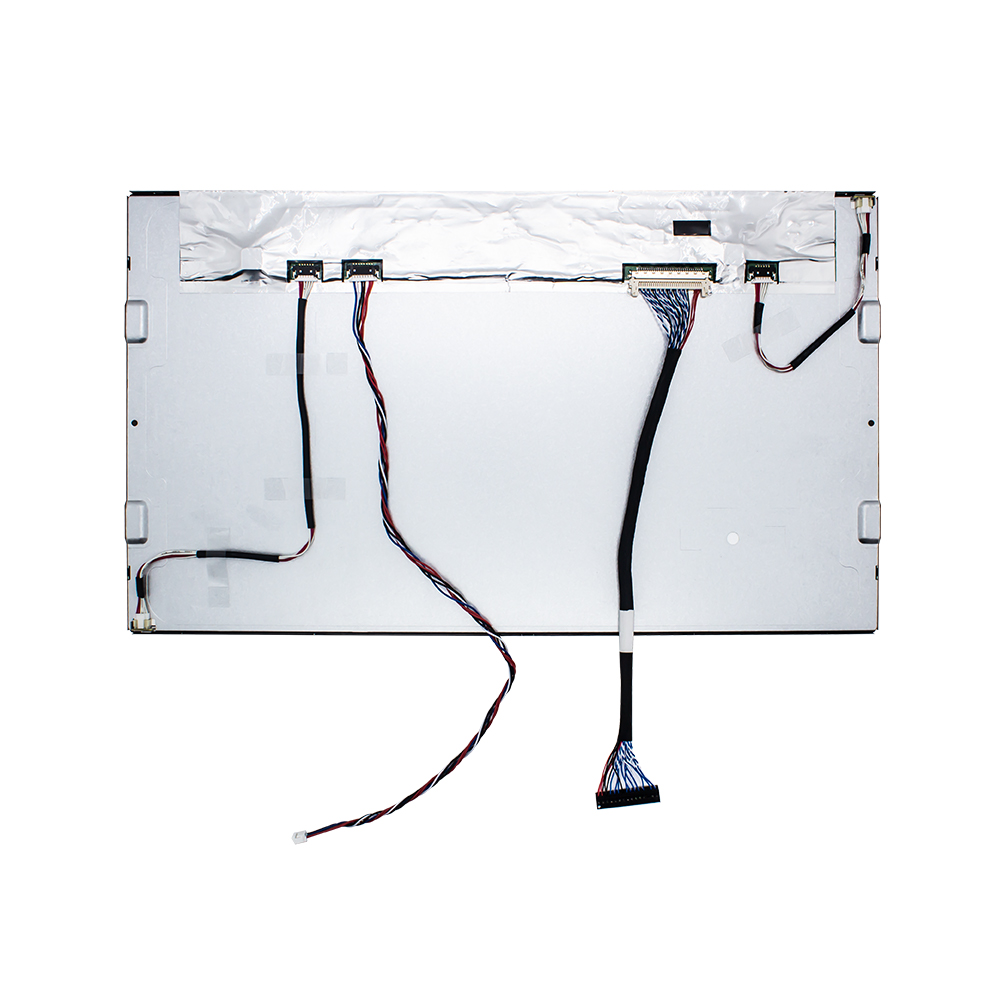
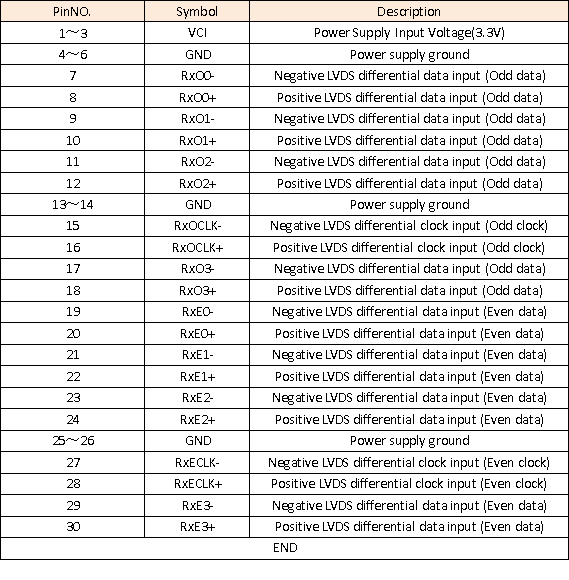
Pin Definition of 15.6 inch LCD Monitor Panel
Wide Application Scenarios
Thanks to its high brightness, wide temperature range and full viewing angle characteristics, the 15.6 inch LCD Monitor Panel is widely applied in the following fields:
- Industrial control terminals: HMI human-computer interaction interfaces for automated production lines
- Outdoor self-service equipment: Smart parcel lockers, self-service ticket vending machines, charging pile display screens
- Medical imaging equipment: High-precision ultrasound display and endoscope monitoring screens
- Professional monitoring displays: High-definition display arrays for security monitoring centers
15.6 inch LCD Monitor Panel Optical and Electrical Characteristics & Reliability Summary
1. Optical Specification Notes
Optical parameters (viewing angle, contrast ratio, color gamut, response time) are measured in a dark room at 25 ℃ with backlight powered on for 30 minutes. Viewing angle is defined where contrast ratio > 10. Contrast ratio is the ratio of white luminance to black luminance. Color coordinates are calculated from center-panel measurements. Response time (Tr+Tf) is the total of rising time (10%–90% luminance) and falling time (90%–10% luminance).
2. AC Characteristics
The LCD Monitor Panel builts-in LVDS receiver complies with ANSI/TIA/TIA‑644. Key electrical specifications include differential input threshold, common-mode voltage, and signal levels. Typical LVDS clock frequency is 70.5 MHz, frame rate is 60 Hz. Clear data mapping and interface timing parameters ensure stable signal transmission.
3. Power ON/OFF Sequence
Strict power timing requirements must be followed. Interface signals must be high-impedance or low when VCI is off. Delays between power rails and control signals are specified in milliseconds to prevent damage to driver ICs.
4. Reliability Testing
The module passes comprehensive reliability tests:
- Temperature & humidity: storage and operation at −30 ℃ to +85 ℃, 60 ℃/90%RH operation
- Mechanical: packaging shock (980 m/s², 1/2 sine wave) and vibration (8–33.3 Hz, 3 axes)
- ESD: contact ±8 kV, air ±15 kV; functional recovery after reset is considered passing
All display evaluations are performed 2 hours after the module returns to room temperature.
5. Handling & ESD Precautions
- Avoid mechanical shock, over-voltage driving, and hot-plugging.
- Do not use in extreme high temperature/humidity or rapid temperature changes.
- Prevent image retention: avoid fixed patterns for more than 2 minutes; use black or moving screensavers.
- ESD protection: ground personnel and equipment, maintain humidity >50%RH, slowly remove protective film at an angle, use cotton or anti-static clothing and gloves.
Technical FAQ
Q1: Does the 15.6 inch LCD Monitor Panel support touch function?
| Cover Material | Optional tempered glass (up to 7H hardness) or acrylic for touch panels. |
| Cover Shape | Supports special-shaped cutting, hole opening, edging (2.5D, 3D), and customizable transmittance. |
| Cover color | Custom silk screen printing in various colors, commonly black or white. |
| Cover Thickness | Available in multiple specifications (mm): 0.55/0.7/1.0/1.1/1.8/2.0/3.0/4.0/5.0/6.0/8.0/10.0.etc |
| Light Transmittance | High light transmission efficiency, directly enhancing the touch panel’s visual performance. |
| Opening the hole | Can open through holes with a diameter of ≤10mm |
| Logo Printing | Supports silk screen logo printing in multiple colors. |
| Cover surface Treatment | AG (anti-glare) to eliminate screen mirroring; AR (anti-reflection) to reduce light reflection and improve outdoor visibility; AF (anti-fingerprint) to enhance glass gloss, reduce sliding resistance, and prevent water droplets/fingerprints. |
| Customized touch function chip | Offers customization of sensor materials, thickness, FPCs, interfaces, etc., translating touch actions into machine-recognizable signals. |
| Customized Brand Panels | Available brand options (Gorilla, Panda) with 7H/8H/9H hardness. |
Q2: What are the advantages of the LVDS 48-Bit interface of this panel?
Q3: How to adjust the 1000 cd/m² brightness in practical application?