Description
Product Detailed Introduction and Specification Overview
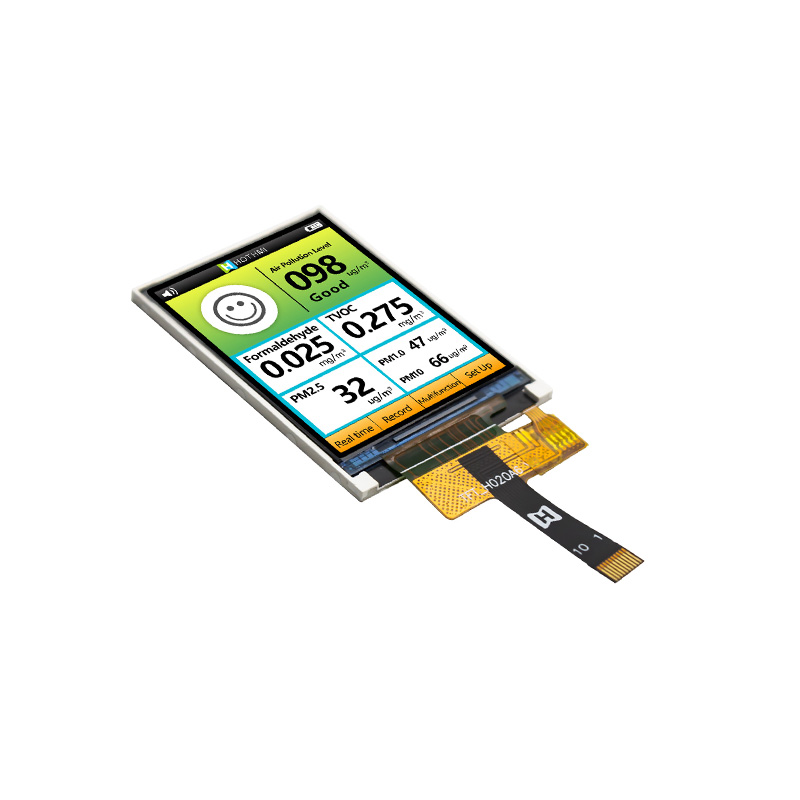
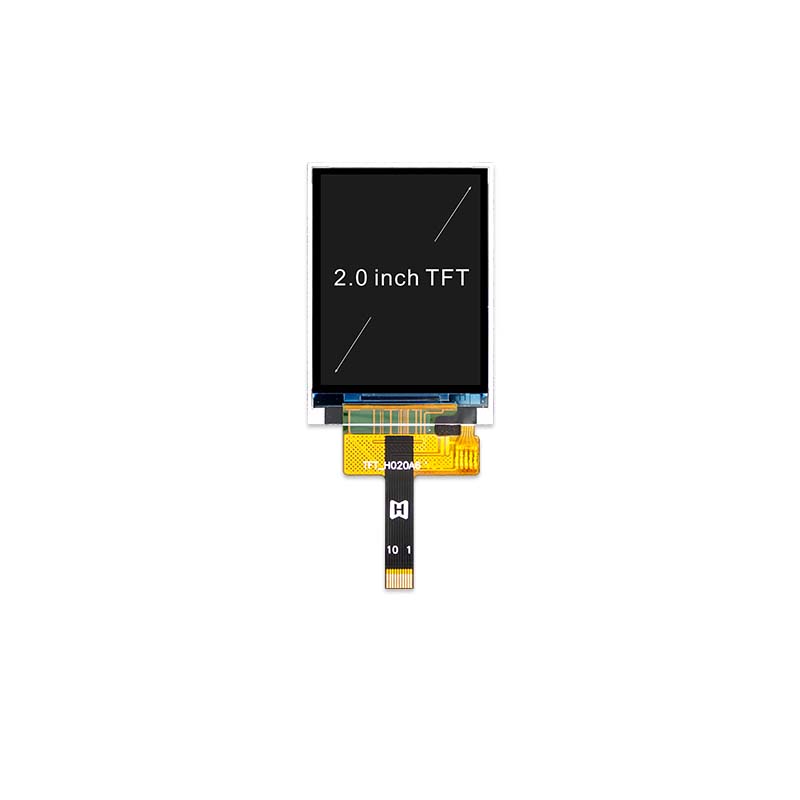
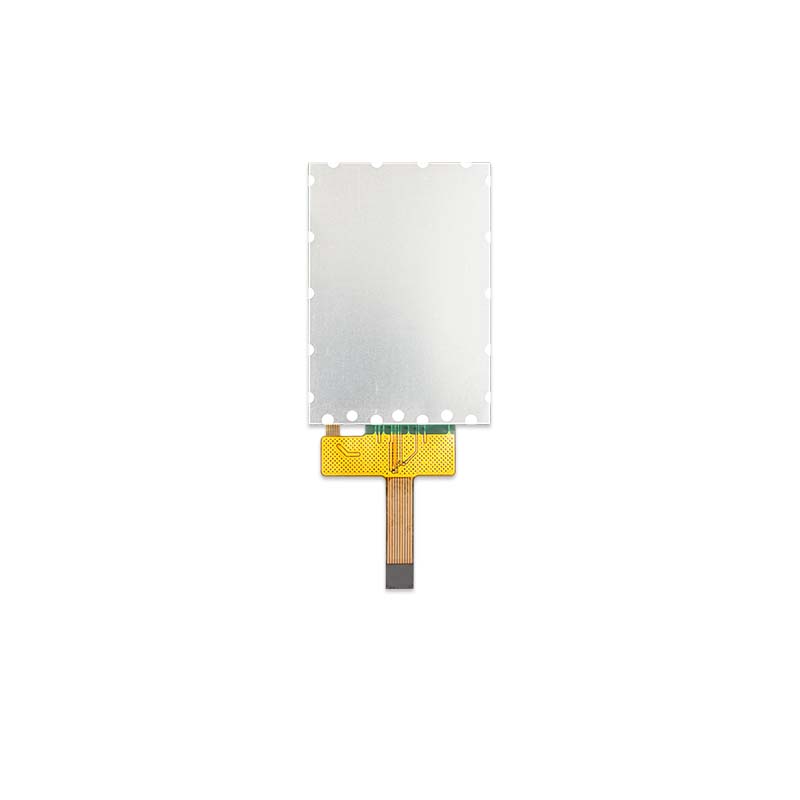
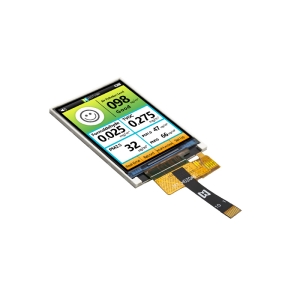
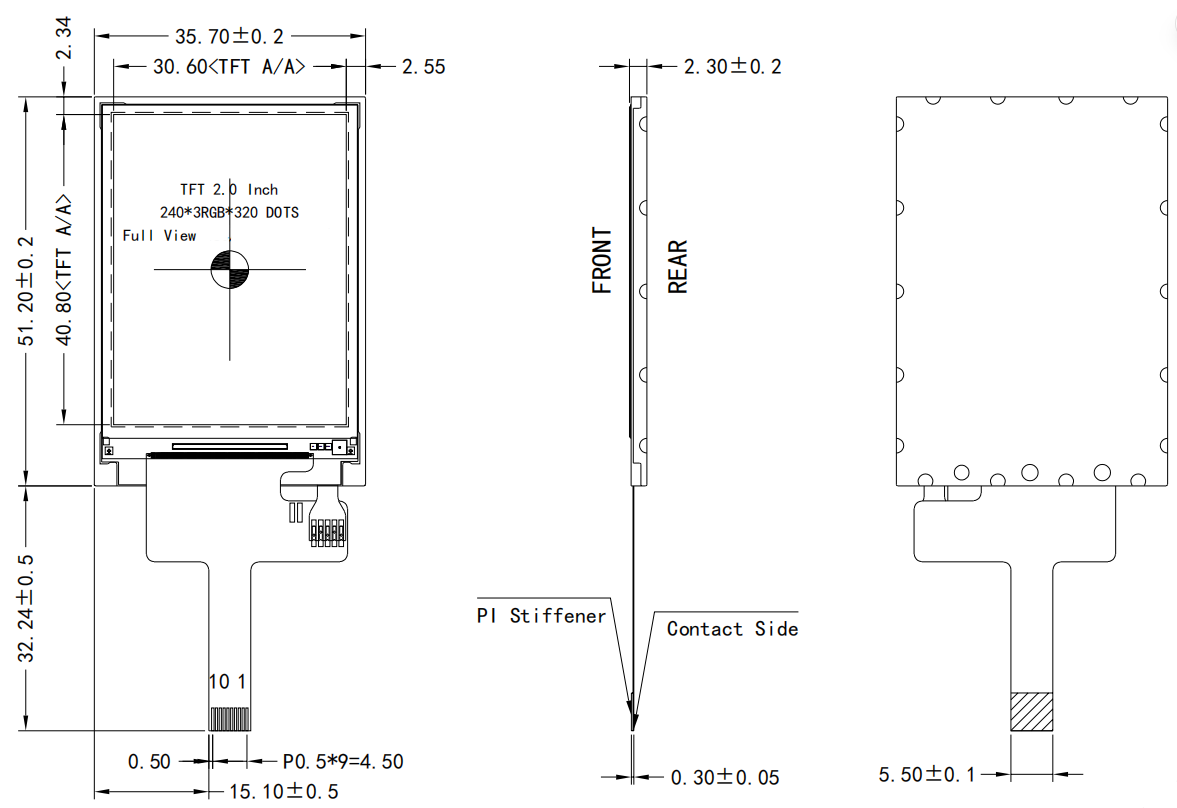
The TFT-H020A6QVIST6N10 is a standard 2.0-inch SPI TFT LCD display module introduced by HOTHMI. It features a native resolution of 240 (RGB) x 320 pixels, delivering clear and vivid colour reproduction. At its core, the SPI TFT LCD module integrates the popular and efficient ST7789 driver chip and supports a 4-wire SPI serial communication interface, which greatly simplifies pin-count connections with external MCUs or main controller boards.
The digital power supply operates within an ideal range of 2.8 V to 3.3 V, while the normally-black mode backlight achieves a typical luminance of 600 cd/m². Combined with wide viewing angles of U85/D85/L85/R85, this display maintains excellent readability under various indoor lighting conditions. Moreover, the module is built to industrial durability standards, with operating and storage temperature ranges from -30 °C to +80 °C. Whether used in smart home devices, handheld instrumentation, medical equipment, or industrial control terminals, it offers a compact yet highly reliable display solution.
Core Highlights and Technical Advantages
4-Line 8-Bit SPI Serial Interface – Extremely I/O-Efficient
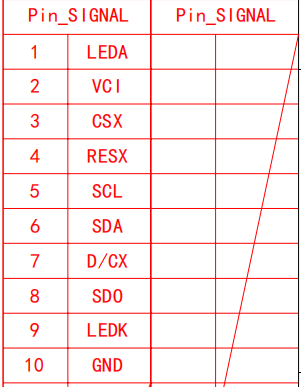
Traditional parallel-interface TFT screens often require 8-bit or even 16-bit data lines plus multiple control signals, consuming significant MCU pin resources. In contrast, this module adopts a 4-line 8-bit serial interface (4-wire SPI), requiring only clock (SCL), data (SDI), chip select (CSX), and data/command select (D/CX) pins for full operation. It is an ideal choice for MCU projects with limited I/O availability.
Industrial-Grade High Brightness up to 600 cd/m²
With a typical luminance of 600 cd/m², this module far exceeds the 200–300 cd/m² found in many consumer-grade displays. Combined with the normally-black panel, text and graphics remain sharp and clearly visible in a wide range of indoor scenarios.
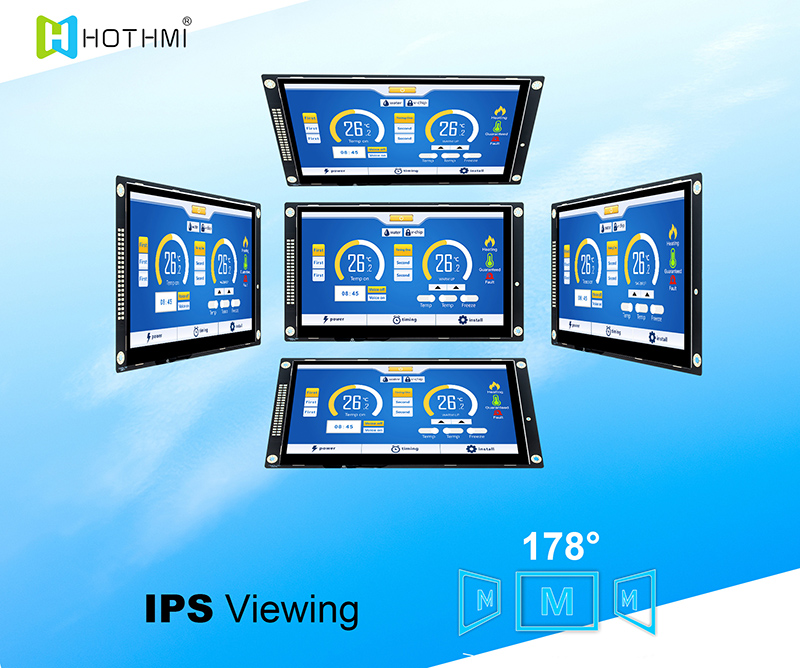
IPS Viewing Experience
Conventional TN-based LCDs often suffer from colour shift or inversion when viewed off-axis. This 2.0-inch SPI TFT screen offers ultra-wide viewing angles of 85 degrees in all directions (up/down/left/right), delivering uniform colours and minimal distortion from almost any perspective – an IPS-like visual experience without colour deviation.
Pin Definition of SPI TFT
The module uses a flexible 10-pin FPC interface. The specific pin functions and definitions are summarised below:
Typical Application Scenarios of SPI TFT
Thanks to its efficient SPI TFT data transfer, slim profile, and high-brightness characteristic, this module finds broad use in the following fields:
- Smart Home Control Panels – thermostats, smart switch panels, and small appliance control screens, where the wide viewing angle ensures colour consistency even when mounted on walls at different angles.
- IoT Devices and Portable Equipment – handheld industrial detectors, POS terminals, and environmental monitoring instruments.
- Wearable and Medical Devices – compact patient monitors, pulse oximeters, and sports/health-assist displays.
- Industrial Micro-Control Displays – PLC mini display units, serial-to-SPI screen upgrades, and microcontroller development boards (STM32, ESP32, Raspberry Pi Pico, etc.).
Technical Q&A
Q1: Why does the SPI TFT screen often remain completely white (or black) with no response immediately after power-on or reset, even when I send commands right away?
A1: This happens because the screen needs a brief startup time after power-up or hardware reset (RESX pin pulled high). The internal controller must load factory settings from its memory. According to the specification, after a reset, you must insert a delay of at least 5 ms before sending the first command. Similarly, after sending the “exit sleep” command, you need to wait another 120 ms before the screen can properly accept display instructions. Forgetting these two mandatory delays is the most common reason why beginners fail to get the screen working on their first attempt.
Q2: This SPI TFT screen has only 10 pins – how do I connect and control it with my microcontroller?
A2: The screen uses a very pin-efficient 4-wire SPI serial interface. The essential control pins are:
SCL and SDI – these act as the “main artery” for transferring pixel data from the MCU to the screen. Note that the screen latches data on the rising edge of the clock signal (low-to-high transition), so your code’s SPI polarity must be configured accordingly.
CSX – this is the “enable switch.” Only when pulled low will the screen respond to data sent from the MCU.
D/CX – this acts as the “message interpreter.” Pull it low when you intend to send a command (e.g., configuration instructions), and pull it high when you are sending data (actual colour/pixel information) to the display.