
Description
Product Introduction of the High Resolution Display
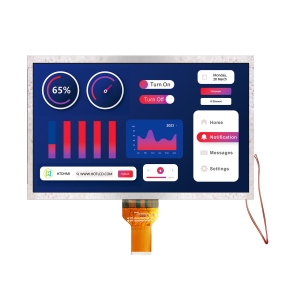
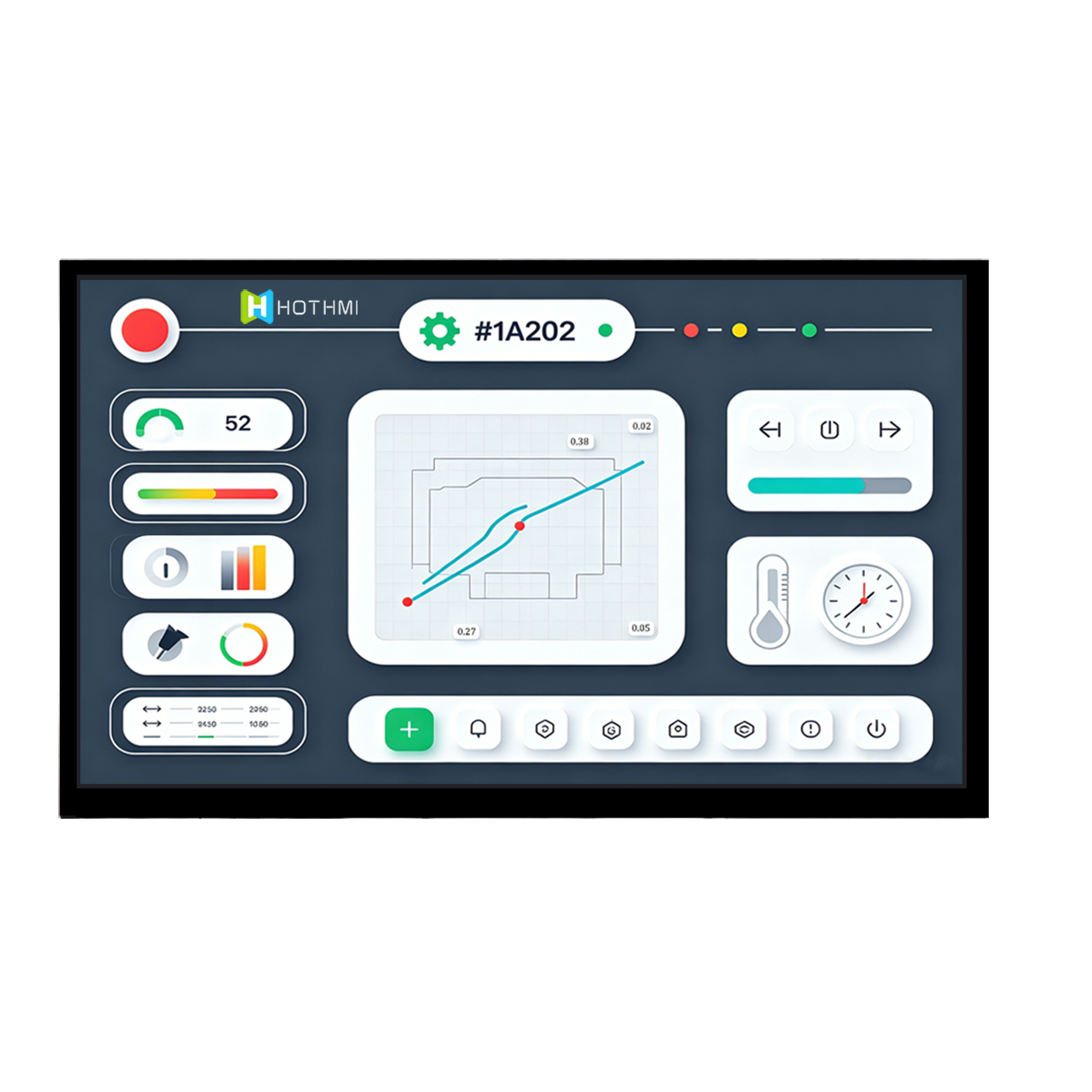
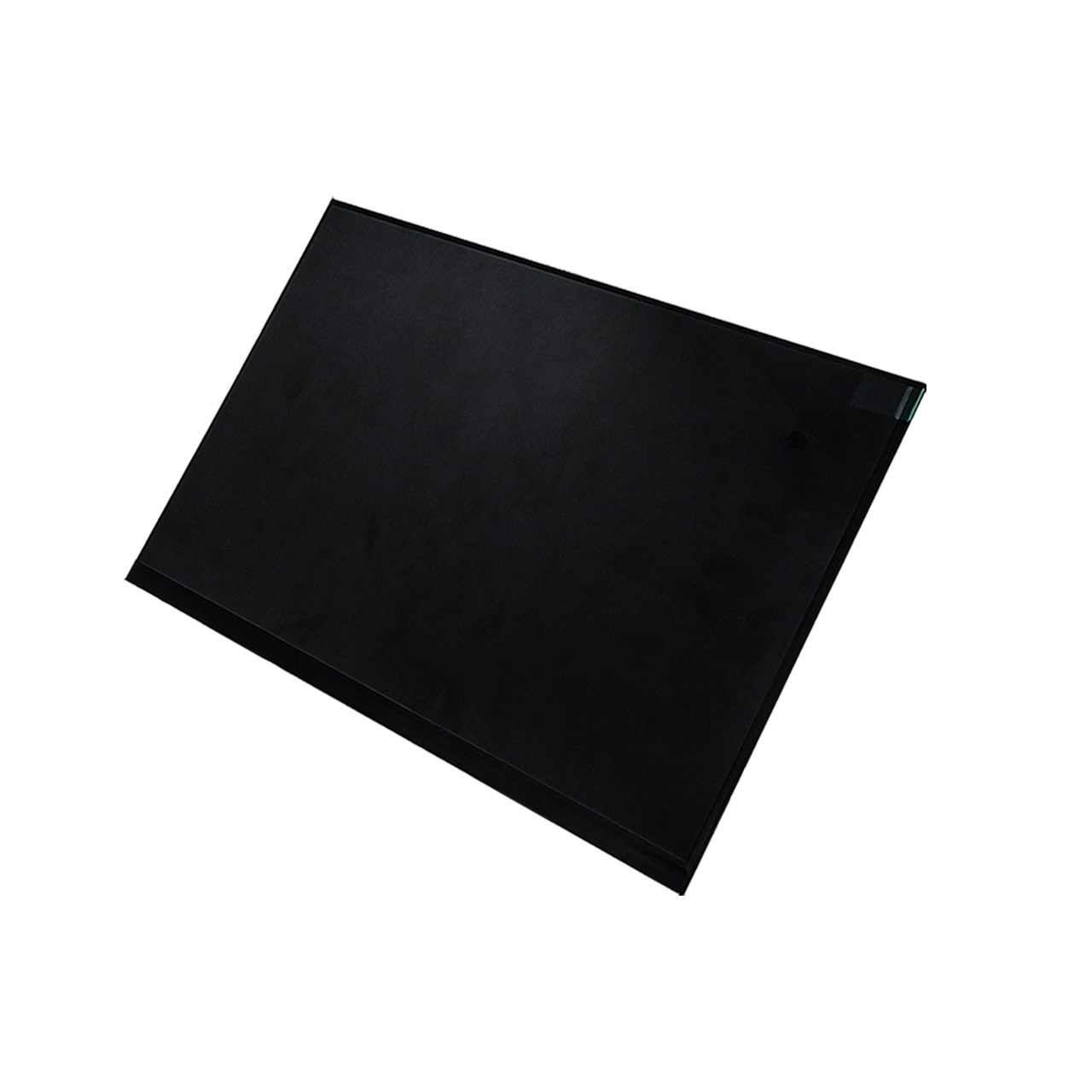
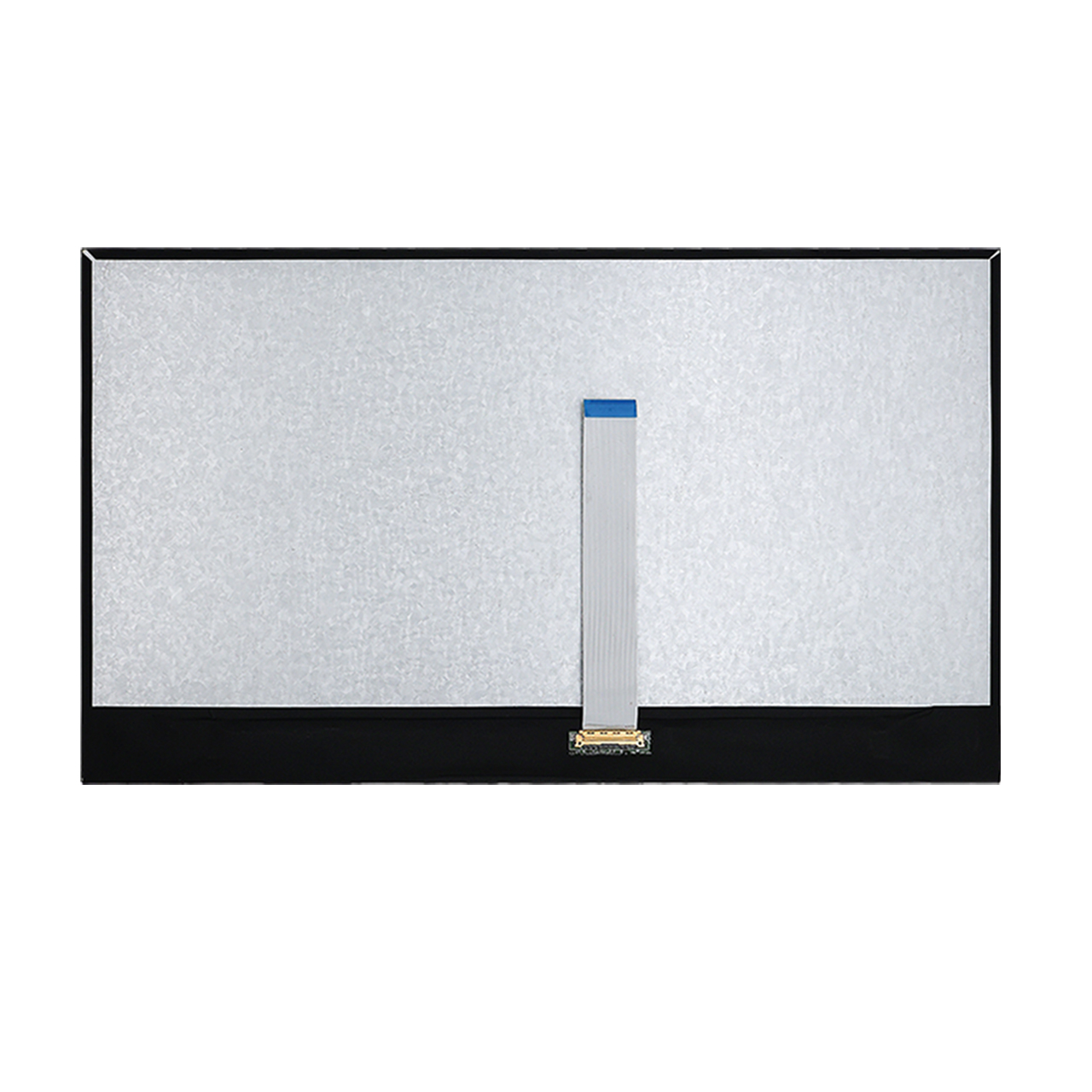
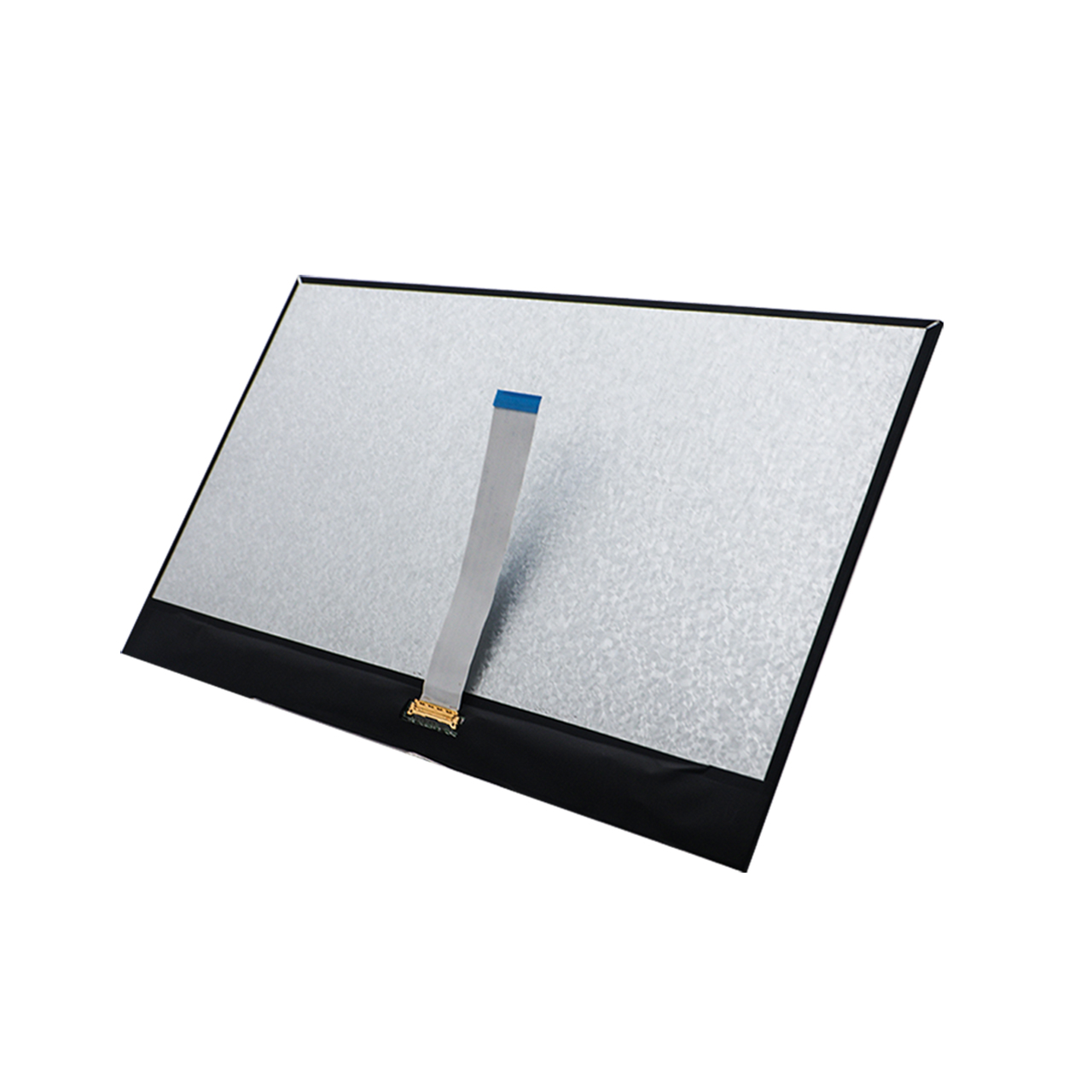
This LCD module (Part No.: TFT-H101D16WUIWZKN30) from HOTHMI is a 10.1-inch high-definition TFT LCD display. As a product featuring a High Resolution Display, it boasts a resolution of 1920(RGB) × 1200 pixels, delivering a premium visual experience with full viewing angles.
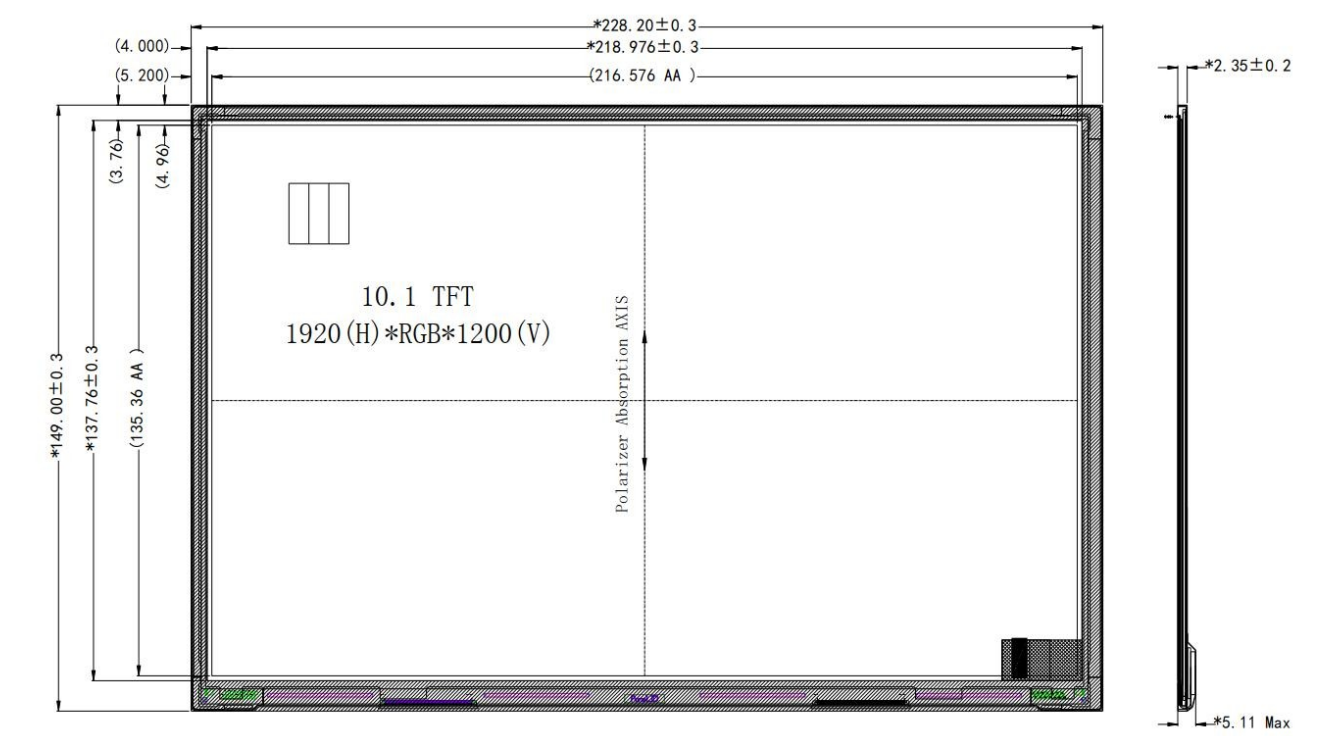
In terms of hardware, the module utilizes an efficient eDP 2-Lane interface and incorporates a built-in white LED backlight system. It supports a wide voltage input ranging from 5V to 21V (12V typical), with a typical screen brightness of up to 1000 cd/m², allowing for perfect, vivid color reproduction. Its compact outer dimensions are a mere 228.2mm × 149.00mm × 2.35mm, and it supports an operating temperature range of -20°C to +70°C. This makes it highly suitable for professional display applications that demand high image clarity, wide viewing angles, and industrial-grade reliability.
Product Highlights of the High Resolution Display
- Superior High Resolution Display: With an ultra-high definition resolution of 1920 × 1200, the picture is delicate and vivid, and text is sharp and clear. It perfectly meets the stringent requirements of commercial and industrial applications for fine image quality.
- Full Viewing Angle IPS Technology: Features an ultra-wide viewing angle of 85 degrees in all directions. Colors remain accurate and brightness does not diminish, no matter the viewing angle.
- 1000-nit High Brightness: The typical brightness of the backlight reaches 1000 cd/m², ensuring clear visibility even in high ambient light conditions.
- Slim Industrial Design: The outer dimensions are only 228.2mm × 149.00mm, with a thickness as low as 2.35mm. This greatly saves internal space within end-devices and facilitates lightweight, sleek product designs.
- Wide Temperature Reliability: Supports an operating temperature range of -20°C to +70°C and a storage temperature range of -30°C to +80°C, ensuring reliable performance in both extreme cold and heat.
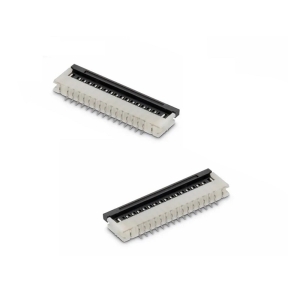
Pin Description

Applications of the High Resolution Display
Benefiting from the ultra-high definition of its High Resolution Display, this LCD module is widely used in the following fields:
- Advanced Medical Monitoring Equipment: Such as ultrasound diagnostic instruments, multi-parameter patient monitors, and endoscopic display terminals. The 1920 × 1200 resolution assists medical professionals in capturing finer details in medical images.
- Industrial Control and Human-Machine Interfaces: For high-end automated factory control consoles, CNC machine displays, and power monitoring terminals.
- Outdoor Self-Service Smart Terminals: Including smart parcel lockers, outdoor ticket kiosks, vending machines, and shared charging stations. The ultra-high brightness of 1000 cd/m² perfectly overcomes the challenge of “black screen” readability under direct sunlight.
Technical Q&A for High Resolution Display
Q1: What is a High Resolution Display? How detailed is this module’s display?
A1: A High Resolution Display refers to having a greater number of pixels per unit display area. This 10.1-inch module achieves a resolution of 1920 × 1200 pixels. This means over 2.3 million color pixels are packed into a limited 10.1-inch screen, resulting in a very high pixel density. Compared to traditional 1024 × 600 or 1280 × 800 screens, this display produces images with no grainy appearance, smoother curves, and ensures that even smaller fonts remain crisp and legible. It is ideally suited for scenarios requiring precise data display.
Q2: Why does this screen use an eDP interface instead of the traditional LVDS interface?
A2: Traditional LVDS interfaces require a high number of twisted-pair cables (often 8 or more pairs for dual channel) to transmit the high-speed data stream of a High Resolution Display like 1920 × 1200, and they are also prone to generating significant electromagnetic interference. In contrast, eDP is a modern digital interface based on the DisplayPort architecture. Using only 2 data lanes, it can easily provide the extremely high transmission bandwidth needed. This not only significantly reduces the pin count and cable bulk but also enhances signal integrity, reduces overall device power consumption, and makes it easier to pass electromagnetic interference testing.