Description
In the world of IoT and industrial control, the efficiency of display interaction directly determines the development cycle of a product. While traditional SPI or RGB interfaces consume significant MCU pins and processing power, the UART LCD has revolutionized the industry by simplifying how engineers integrate visual interfaces.
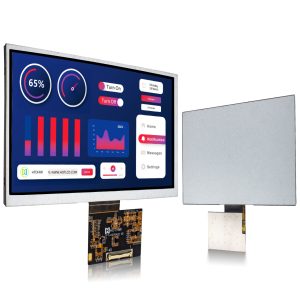
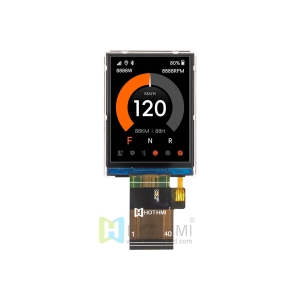
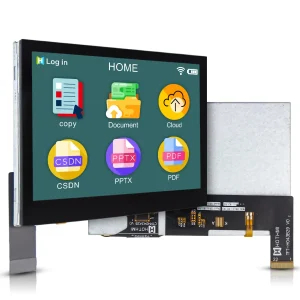
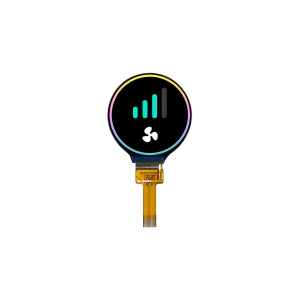
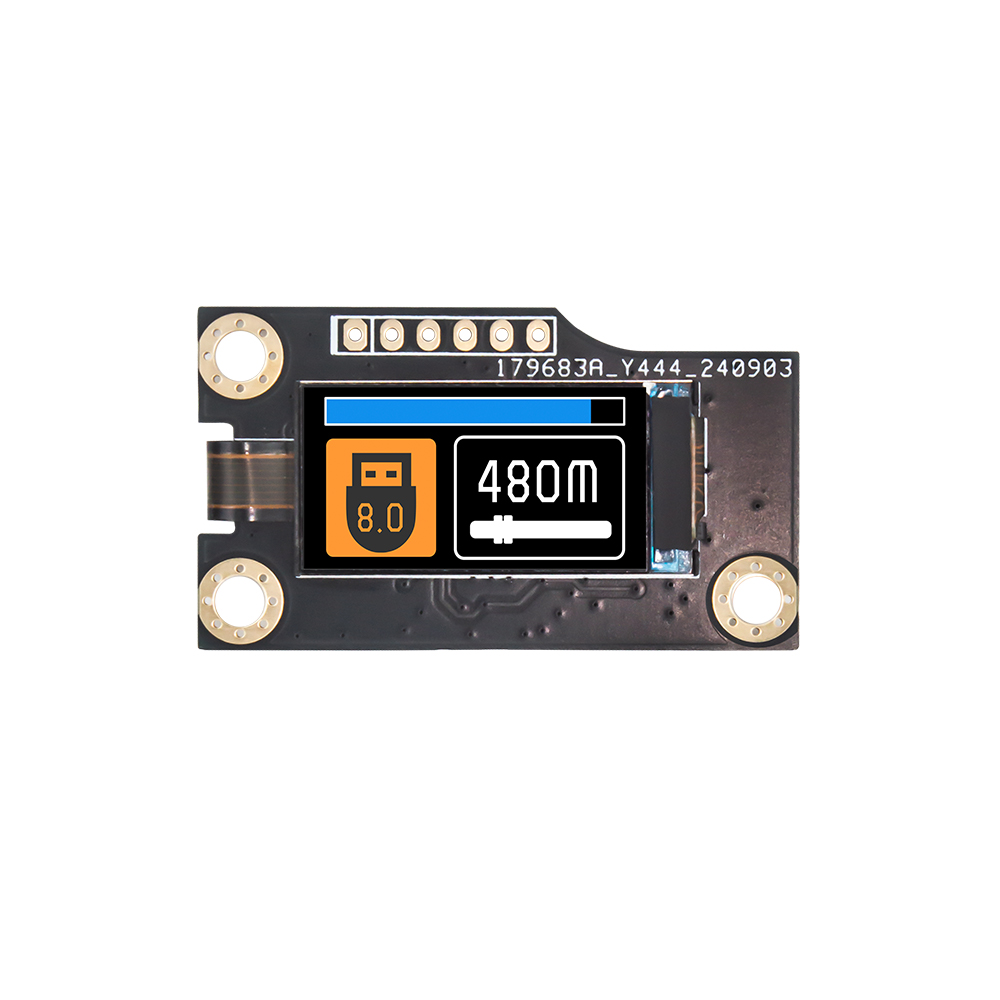
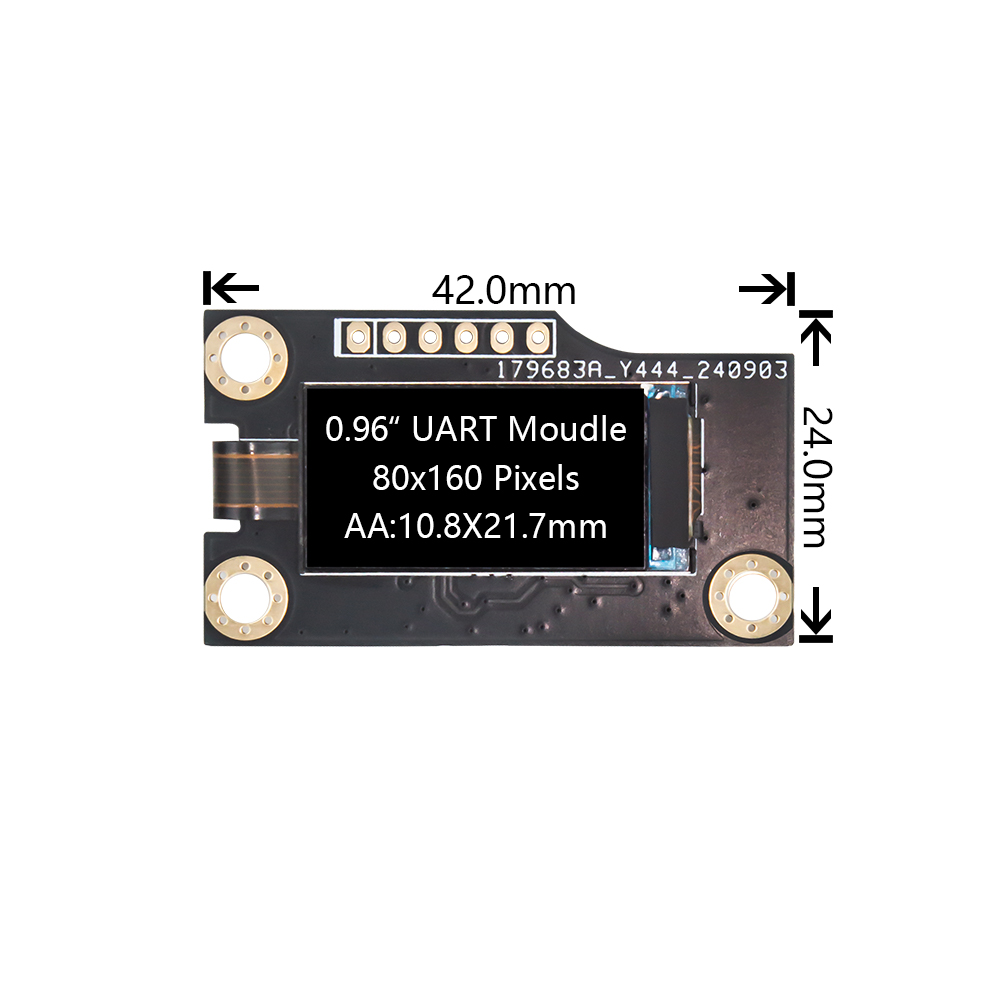
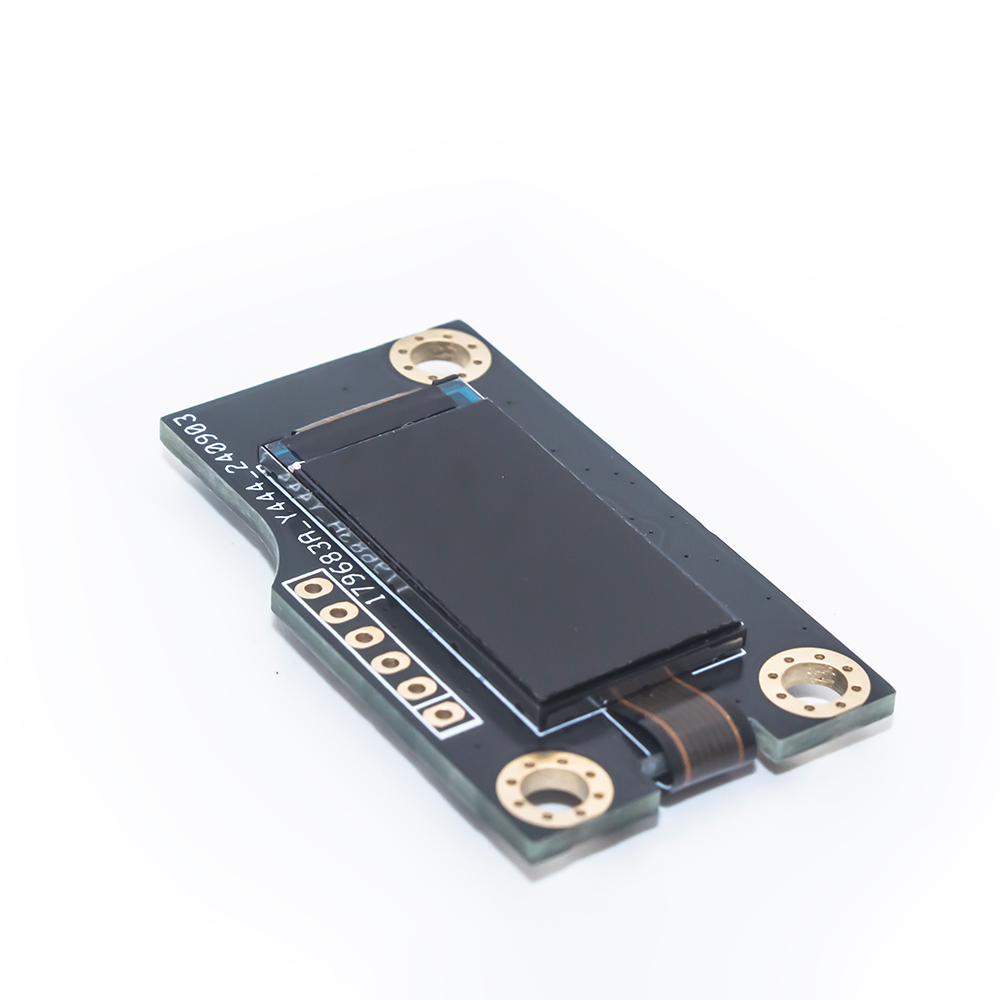
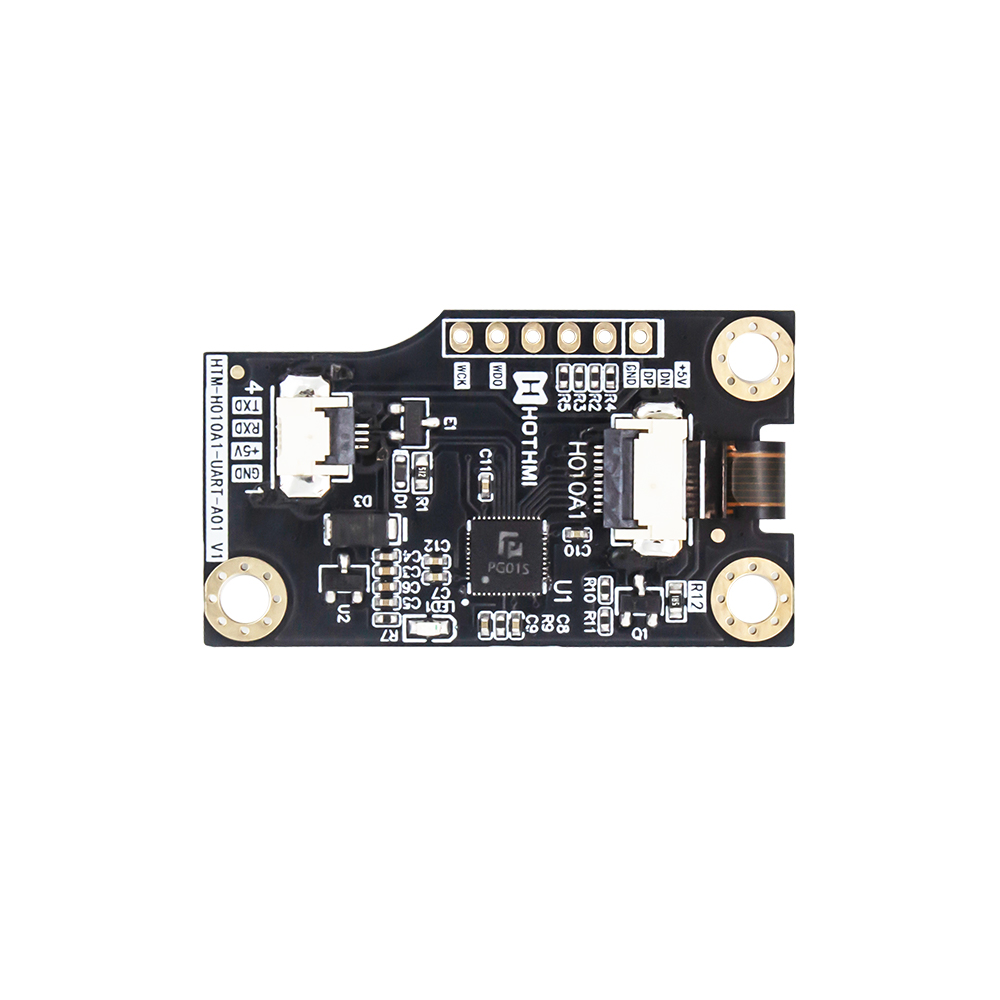
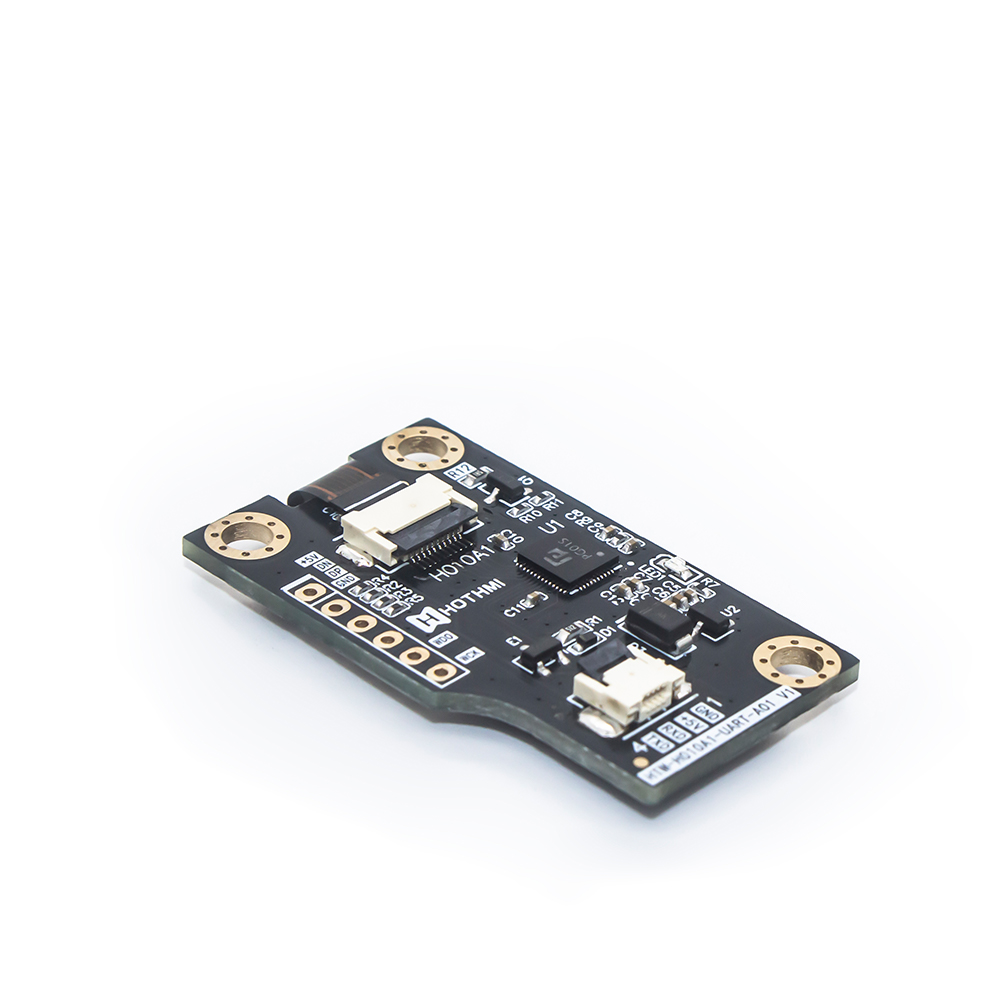
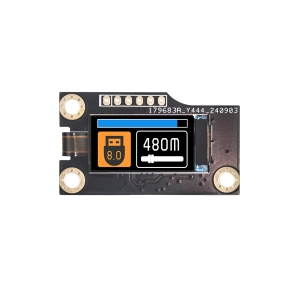
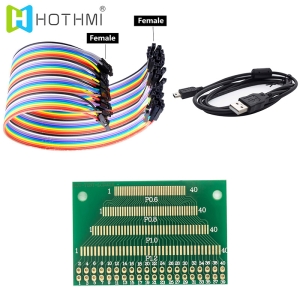
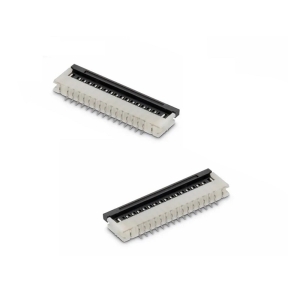
This 0.96-inch TFT LCD module is developed from the product TFT-H010W21AIST4N8. Users can also choose the display TFT-H010W21AIST4N8 with 10 metal pins to complete the combination with the driver board. The driver board is equipped with the easy-to-operate EZUI system. For developers, it is simple and easy to operate. The same series of products can also provide touch function. The product complies with ROHS/FCC standards, and quality control strictly follows ISO9001:2015.
What is a UART LCD and Why is it the Preferred Choice?
A UART LCD, often referred to as an Intelligent Serial Display, is a display module that integrates a high-performance GUI engine, driver circuitry, and dedicated memory. Unlike traditional displays, its standout feature is command-based operation.
Reducing Hardware Burden
Traditional display drivers require the host MCU to handle pixel mapping, refresh timing, and complex frame buffer management. With a UART LCD, the host controller only needs two wires (TX/RX) to send simple hexadecimal commands. The internal processor of the serial screen handles all rendering, backlight control, and memory management.
Boosting Development Efficiency
Using professional UI design software like the EzUI series, developers can design interfaces on a PC using a drag-and-drop method. This low-code approach decouples UI logic from low-level driver code, often reducing the development cycle by over 70 percent.
Key Features and Technical Advantages
Full Viewing Angle Technology
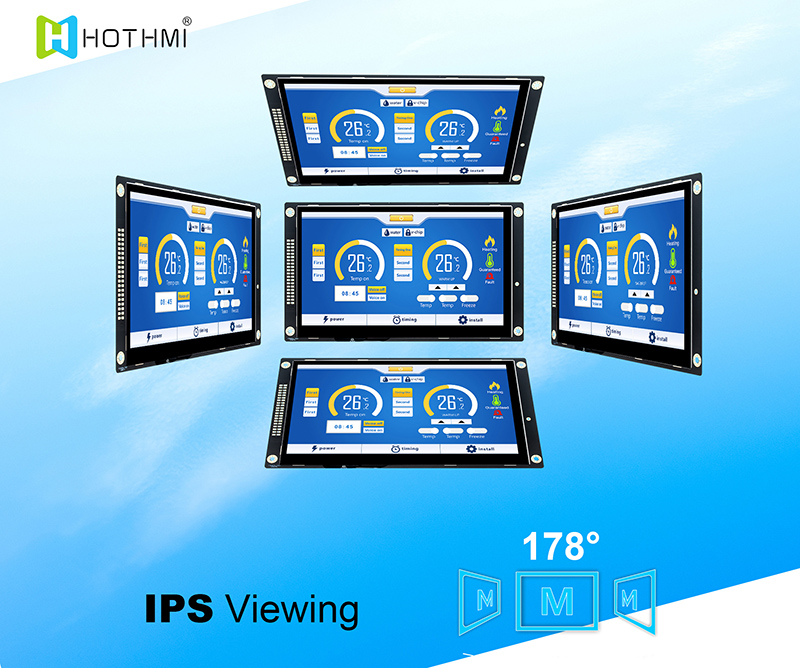
The HTM-H010A1 utilizes Normally Black mode, providing wide viewing angles of U85/D85/R85/L85. In the UART LCD market, wide viewing angles mean the product can be installed at various heights or angles without color distortion, which is critical for handheld devices or wall-mounted equipment.
Multi-Protocol Connectivity
This UART LCD module supports standard TTL levels and can be expanded to support RS232 or RS485 interfaces. For long-distance transmission in industrial environments or multi-point communication, the flexibility of this serial screen allows it to connect directly to PLC systems or sensor networks.
Integrated Resource Management
With built-in Flash memory up to 1G-Bit, the module can store massive UI assets, including fonts, icons, and full-color background images. Users can update these resources quickly via USB or TF Card, providing a significant advantage for post-launch maintenance and multi-language updates.
Industry Applications for UART LCD
- Industrial Automation and Precision Instruments
On small pressure gauges, electronic scales, or tachometers, where the main controller often has limited processing power, a UART LCD can independently handle animations and alarm prompts, enhancing the professional look and feel of the instrument.
- Smart Home and HMI Micro-Terminals
For smart knobs, humidifier control panels, or coffee machines, a 0.96-inch UART LCD is the ideal window for displaying temperature, humidity, and brand logos in a space-constrained design.
- Medical Electronic Devices
Medical equipment requires high stability and clarity. The wide temperature range of the HTM-H010A1 ensures reliable operation in laboratory or hospital environments where precision is paramount.
Technical FAQ for Developers
Q1: What is the maximum baud rate for this UART LCD, and does it affect the refresh rate?
The HTM-H010A1 series generally supports baud rates from 9600bps up to 115200bps or higher. It is important to note that the baud rate primarily affects command transmission speed, not the internal refresh rate of the screen. Since images are pre-stored in the Flash memory, commands are very small, allowing for nearly instantaneous image switching even at lower baud rates.
Q2: How do I implement multi-language font support?
The UART LCD supports vector or bitmap fonts. Developers can generate the required language encoding (such as UTF-8) using PC tools and send string commands to the screen. There is no need to hard-code font libraries into the main MCU program.
Q3: What are the power consumption characteristics of the Normally Black mode?
In Normally Black mode, liquid crystal molecules block light when no power is applied, resulting in a very pure black background. While the backlight may still be on, you can precisely control power consumption using UART commands to adjust the PWM backlight duty cycle. In sleep mode, current consumption drops significantly.
Q4: What should I do if the serial cable is too long and causes data loss?
First, use shielded cables to reduce interference. If the distance exceeds 2 meters, it is recommended to use the RS232 or RS485 versions of the UART LCD. Additionally, implement CRC checksums in your software protocol to ensure data integrity.
Selection Advice and Summary
In the field of embedded displays, the UART LCD is rapidly replacing traditional bare-screen solutions due to its low development threshold, high integration, and excellent visual effects. The HTM-H010A1-UART-A01 is more than just a screen; it is a complete interface interaction engine.
Selection Tips:
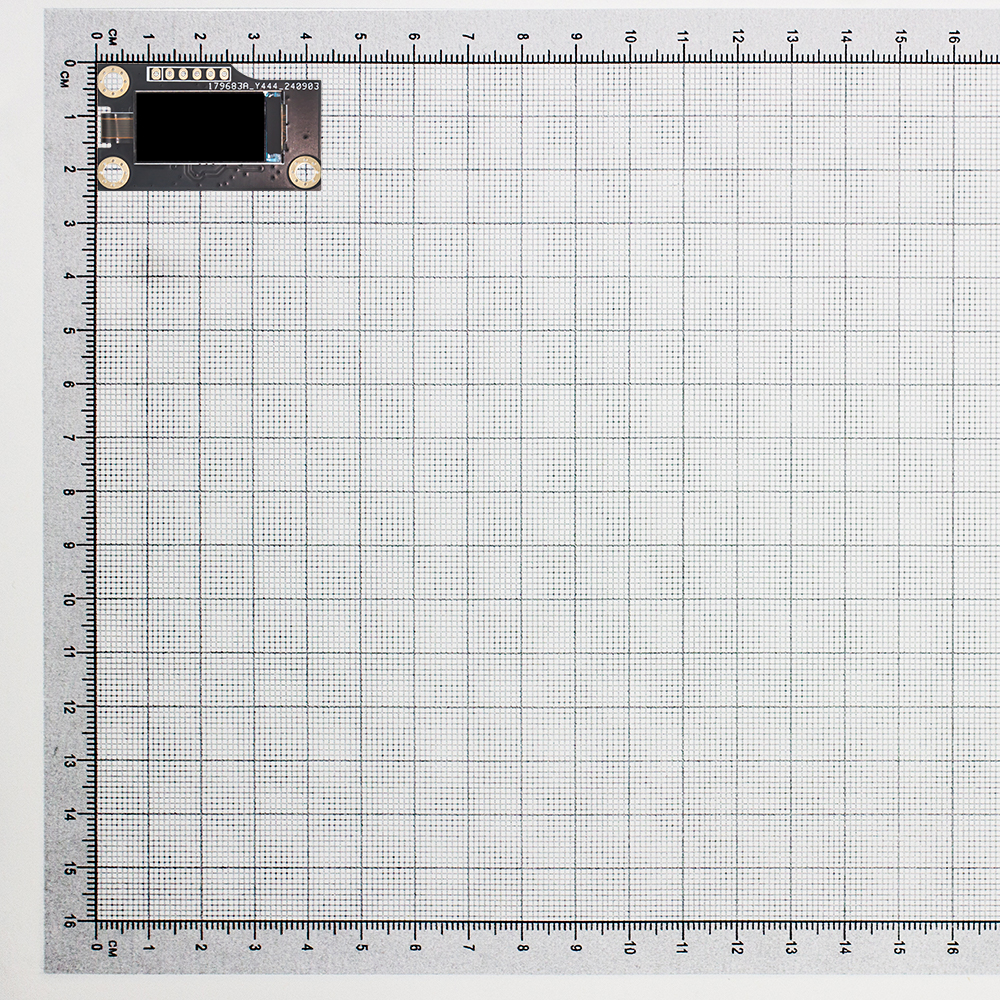
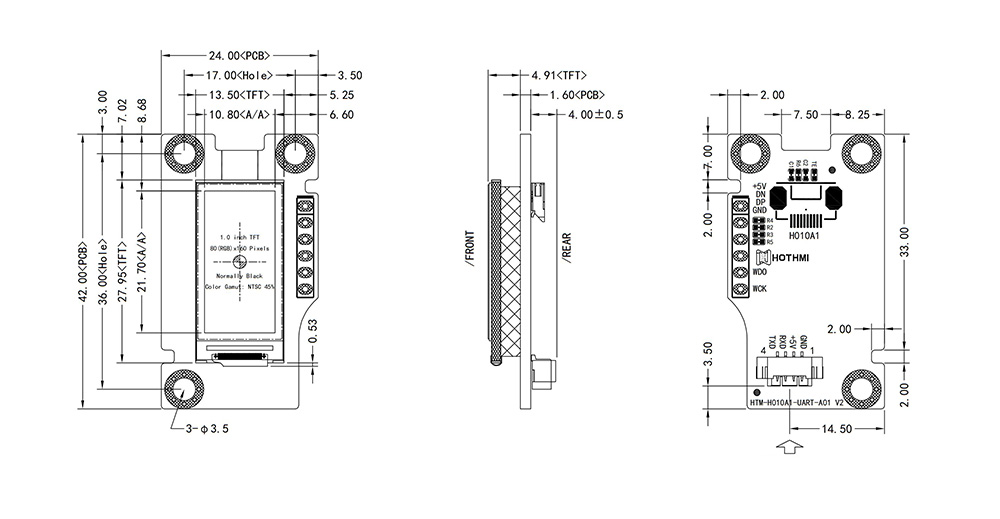
- If space is extremely limited, choose the HTM-H010A1 with its 24mm wide PCB.
- If your MCU resources are scarce, a UART LCD provides the best performance balance.
- For long-term reliability, a Normally Black IPS panel combined with a proper refresh strategy is essential.