
Showing 57–84 of 184 results
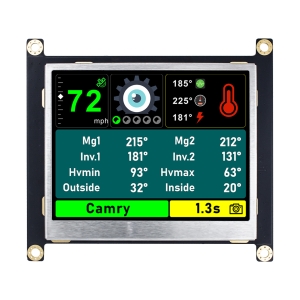
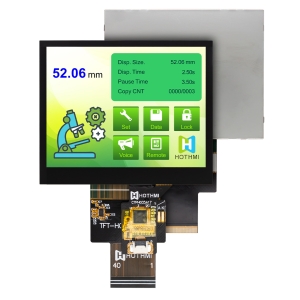
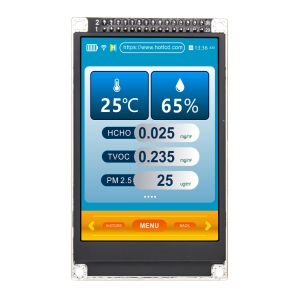
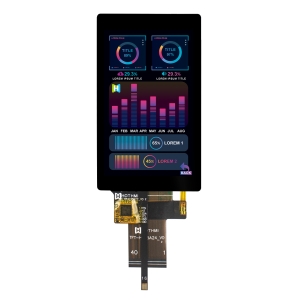
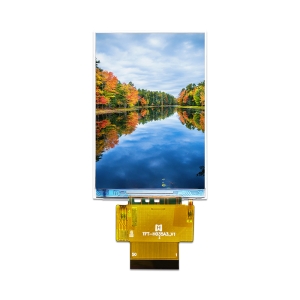
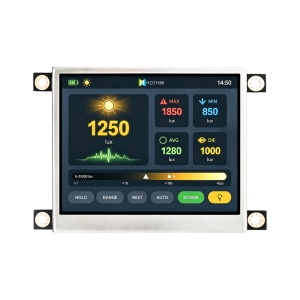
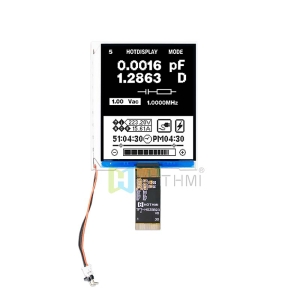
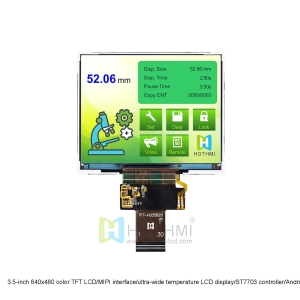
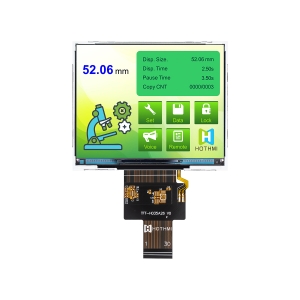
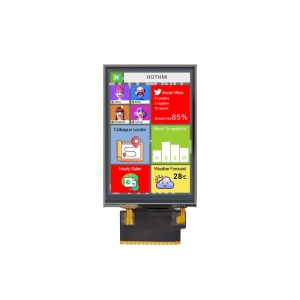
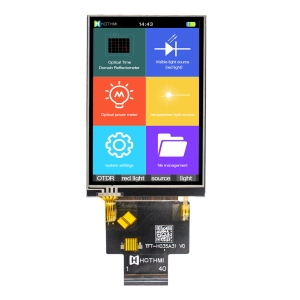
Technologies to Enhance TFT LCD Brightness
Hardware Upgrades
Increase LED count or use higherefficiency LEDs
Add brightness enhancement films (BEF) to focus light toward viewers
Optical Bonding
Full lamination removes the air gap between touch panel and LCD, reducing reflection and improving effective brightness—ideal for outdoor use.
Transflective Technology
Special pixels with reflective layers use sunlight for illumination, enabling sunlight readability without extreme backlight power. Cost is higher due to complex manufacturing.
FAQs about TFT LCD Brightness
Q1: Why is my 400 cd/m² TFT LCD unreadable in sunlight?
A: This relates to surface reflection. Sunlight creates glare that washes out the image. Solution: Combine high brightness with antiglare (AG) or antireflective (AR) treatments to reduce reflection.
Q2: Why are screen edges darker than the center?
A: This is common edge darkening caused by:
- Backlight structure—light attenuates at edges
- Uneven cell gap—affecting light transmission
Slight darkening is normal. Severe cases may indicate backlight issues.
Q3: How do brightness and contrast ratio relate?
A: Brightness sets peak white level; contrast ratio is white/black ratio. Increasing brightness alone raises black levels too (due to backlight leakage), reducing contrast and making images look washed out. Adjust contrast after changing brightness.
Q4: Does high brightness shorten screen life?
A: Yes. Higher current increases LED junction temperature, accelerating light decay (lumen depreciation). Standard LED lifespan (e.g., 50,000 hours to 50% brightness) assumes rated current. For longevity, use autobrightness adjustment based on ambient light.