
Showing 57–84 of 182 results
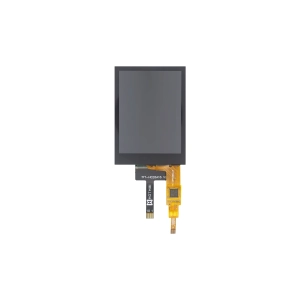
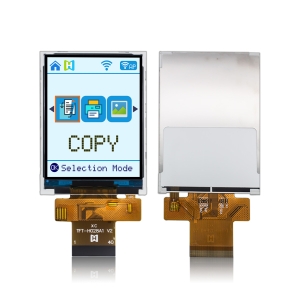
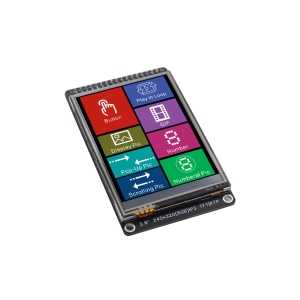
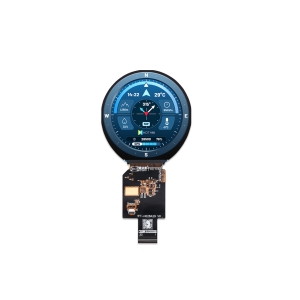
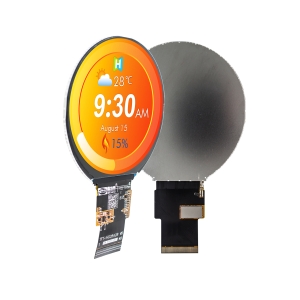
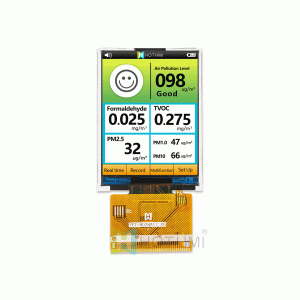
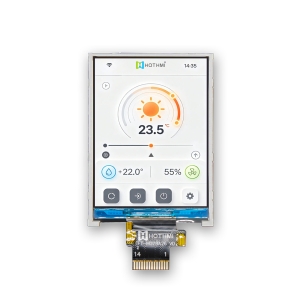
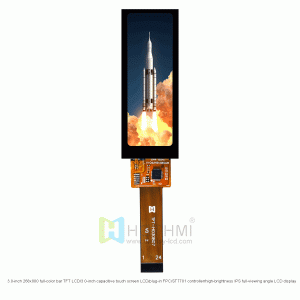
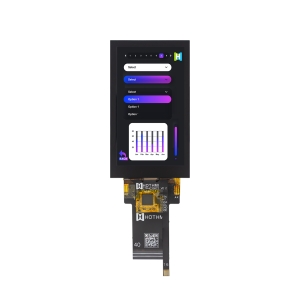
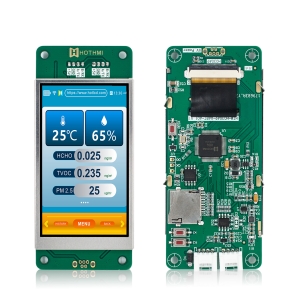
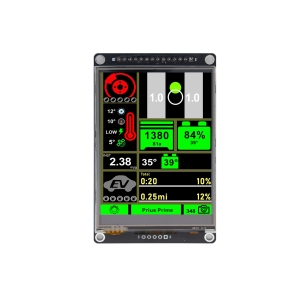
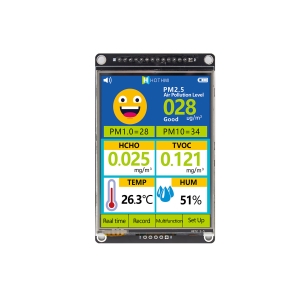
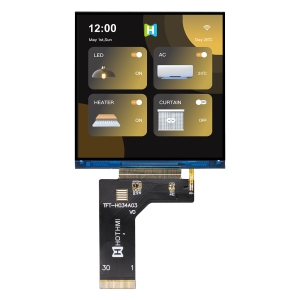
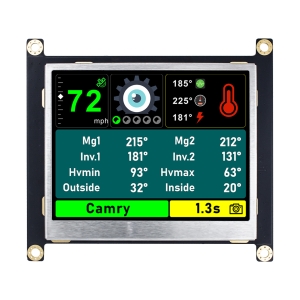
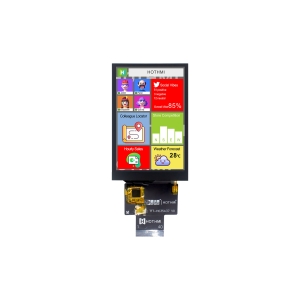
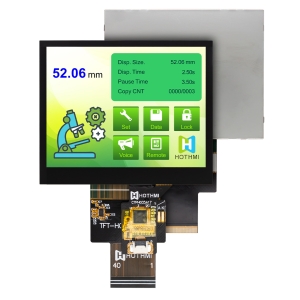
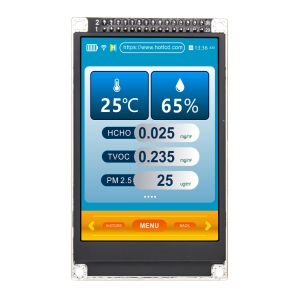
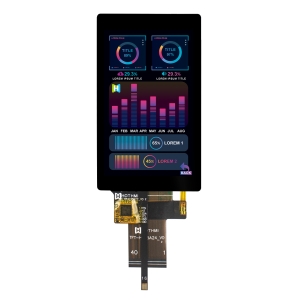
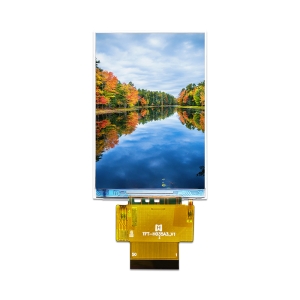
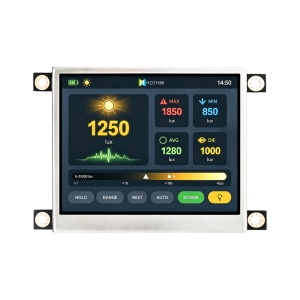
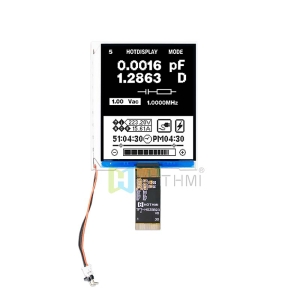
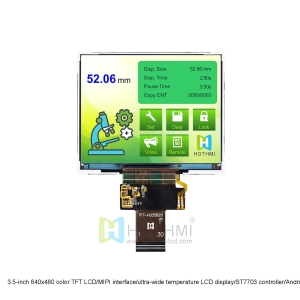
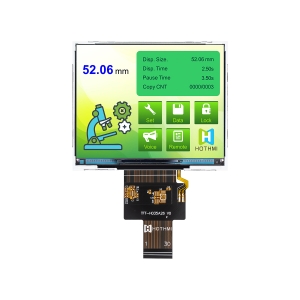
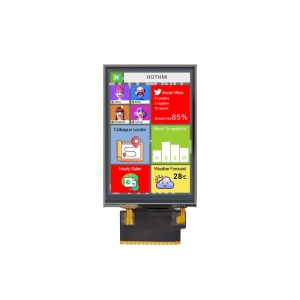
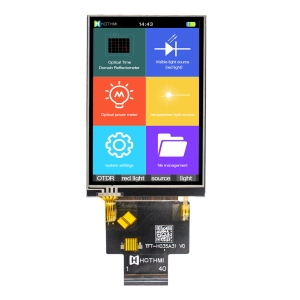
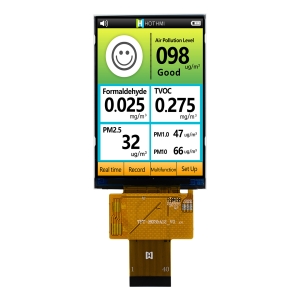
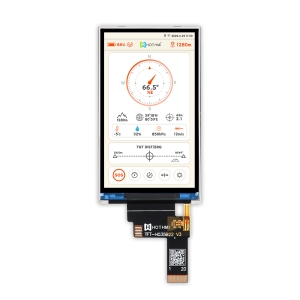
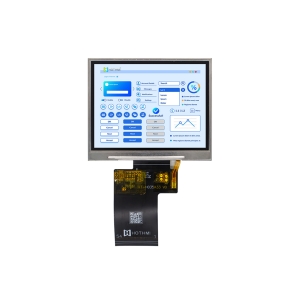
Based on diagonal length, the TFT LCD market can be clearly segmented into tiers. Each tier corresponds to specific application areas and technical specifications. HOTDISPLAY’s product line is extensive, and its “TFT color screens, serial port screens, smart screens, IPS full-viewing-angle screens, and high-brightness industrial screens” precisely cover the core needs of the following size segments.
TFT LCD Size Classification and Application Scenarios
-
Miniature Size (under 3.5 inches)
Features: Primarily uses SPI/MCU interfaces, emphasizing low power consumption and small size.
Applications: Smart wearables, IoT terminals.
HOTHMI Solution: Suitable for COG technology, meeting compact space requirements.
-
Small to Medium Size (4 inches – 10.1 inches)
Features: Diverse interfaces (RGB/LVDS/MIPI), IPS full viewing angle is a must, representing the mainstream range for capacitive touchscreens.
Applications: Automotive displays, industrial handheld devices, smart home panels.
HOTHMI Solution: Provides RGB/MIPI compatible main control boards and PCAP touch integration solutions, ensuring viewing angle and integration.
-
Medium to Large Size (over 10.1 inches)
Features: Interfaces evolve towards LVDS/eDP/HDMI, requiring high brightness and 24/7 reliability.
Applications: Industrial HMIs, medical monitoring, commercial advertising displays.
HOTHMI Solution: Primarily focuses on smart screens/serial port screens and high-brightness industrial screens, relying on strict quality control to ensure a long-term stable supply.
FAQs about TFT LCD Size
Q1: Why can both 3.5-inch and 4.3-inch screens have a resolution of 480×272? What difference will there be in the display effect if the size is larger?
A: This is because physical size and resolution are two independent parameters.
Principle: Both have the same number of pixels, but the physical area of a 4.3-inch screen is larger, resulting in a larger physical size (dot pitch) for each pixel.
Difference in effect: Therefore, the 4.3-inch screen will have more noticeable pixelation, and its pixel density (PPI) is lower than that of the 3.5-inch screen. For close-range use, it is recommended to choose the smaller size (higher PPI); for long-range operation, choose the larger size.
Q2: The drawings show an AA area and a VA area. If I cut the casing opening according to the AA area dimensions, why will the edges be exposed after installation?
A: Because the casing opening must be based on the VA area, not the AA area.
Reason: The AA area is the electrical signal area, while the VA area is the light transmission area (usually slightly larger than the AA area). If the opening is based on the AA area, due to installation tolerances, the sealant at the screen edge or backlight leakage may be visible.
Correct Practice: The casing opening should be designed according to the VA area dimensions, allowing for sufficient allowance for light-shielding foam. During installation, the casing should be pressed against the BM area (black matrix) at the screen edge to ensure a perfect appearance.