Description
I. Product Detailed Introduction
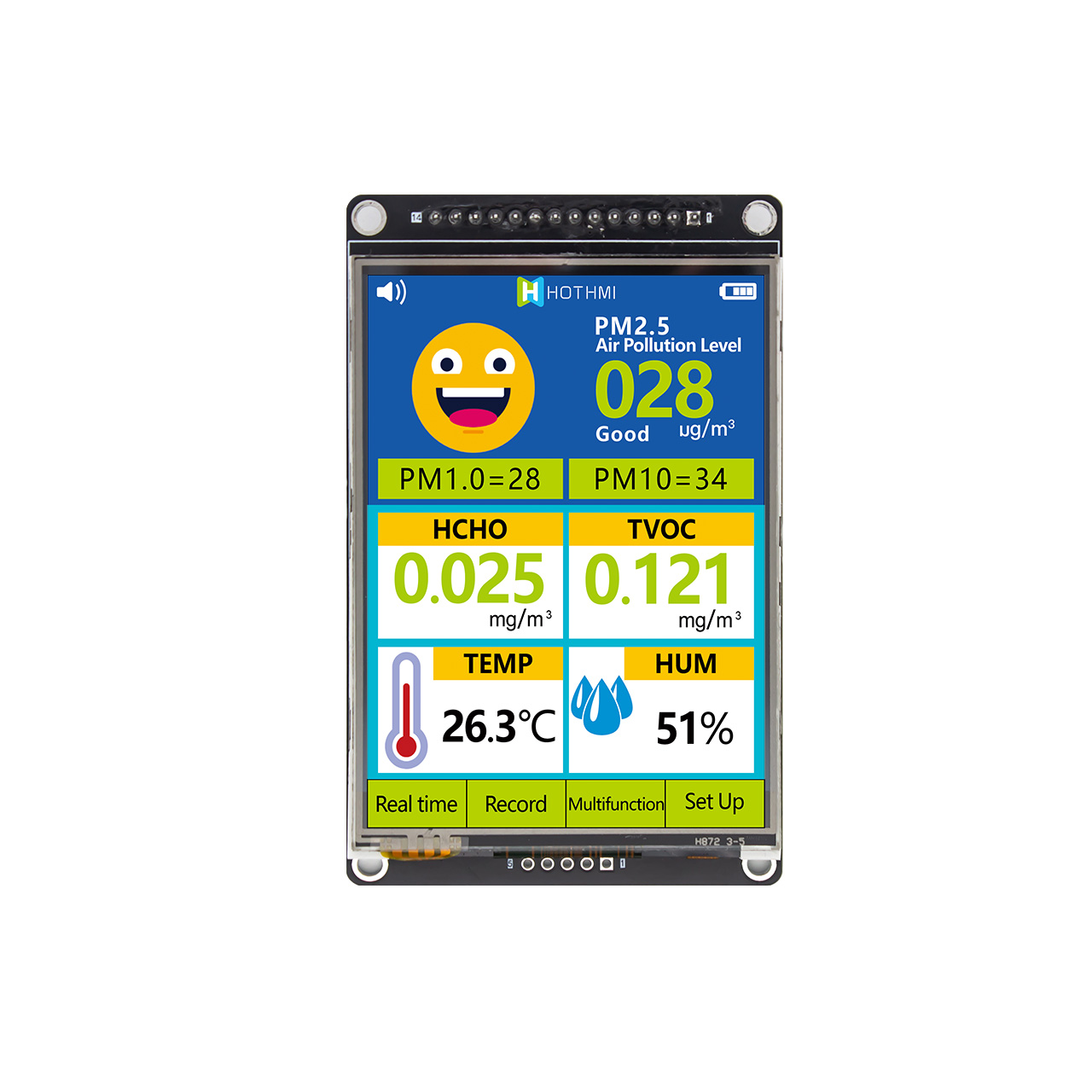
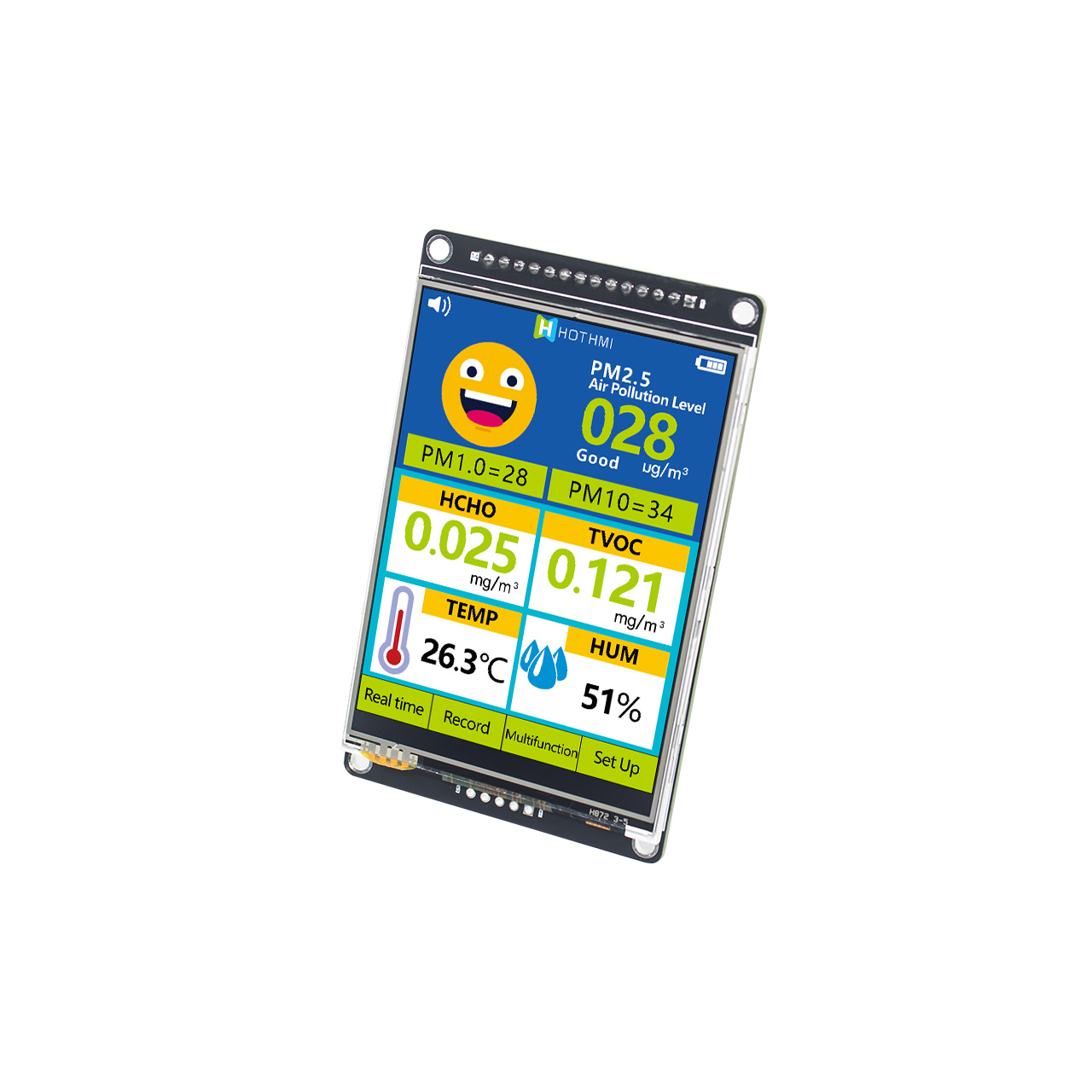
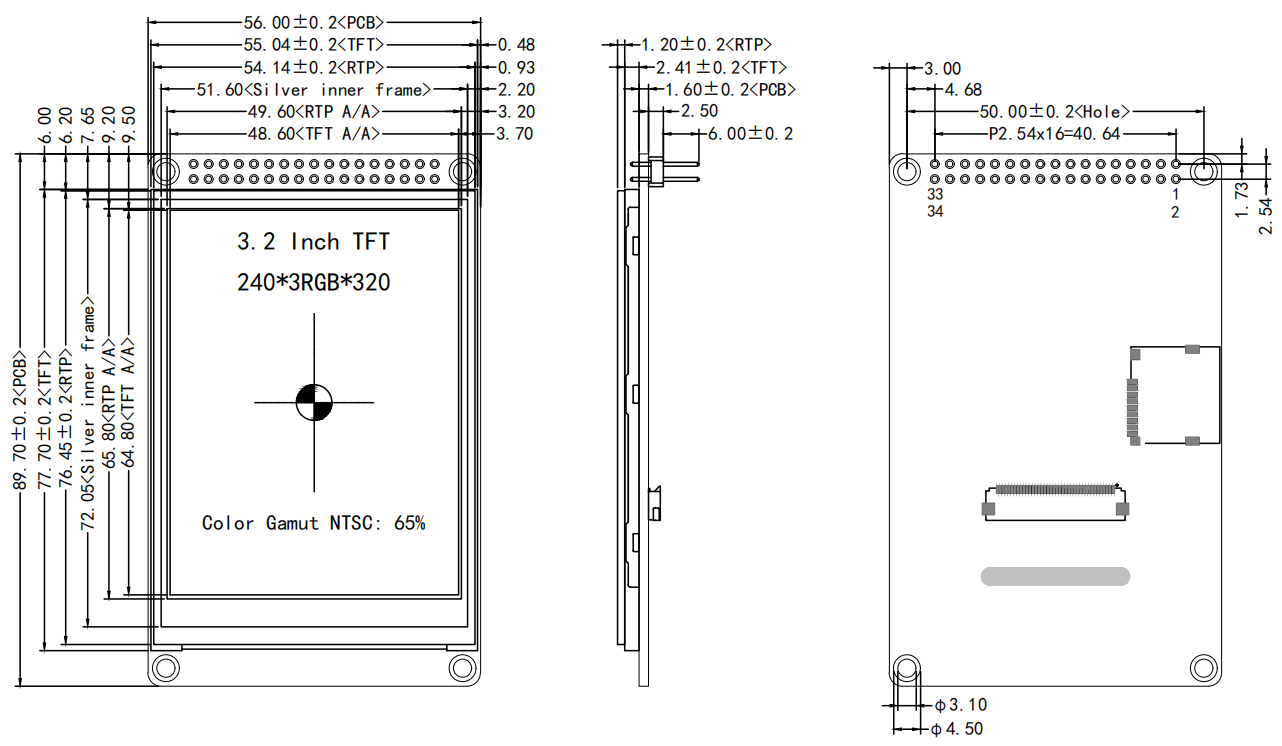
The HTM-H032A05-MCU-V1 is a 3.2-inch high-quality TFT Display Module designed and manufactured by HOTHMI. This display module features a classic resolution of 240×RGB×320 and delivers a rich, vibrant picture with an impressive NTSC color gamut of up to 65%. It is powered by a robust ST7789 driver chip and supports an MCU 8-bit or 16-bit general-purpose parallel interface. With a wide operating voltage range from 2.8V to 5.0V, this TFT Display Module ensures seamless and stable integration with various microcontrollers and embedded host systems.
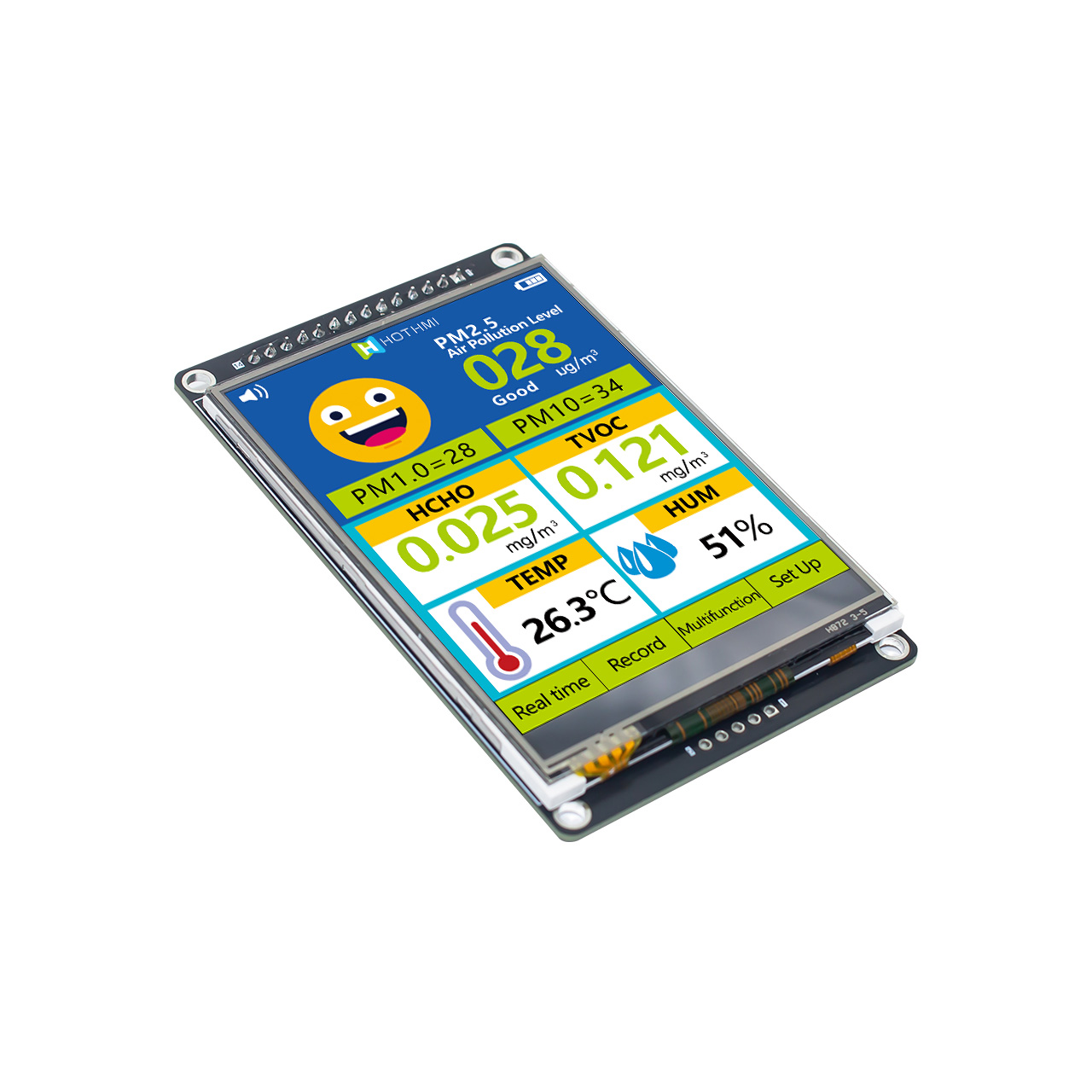
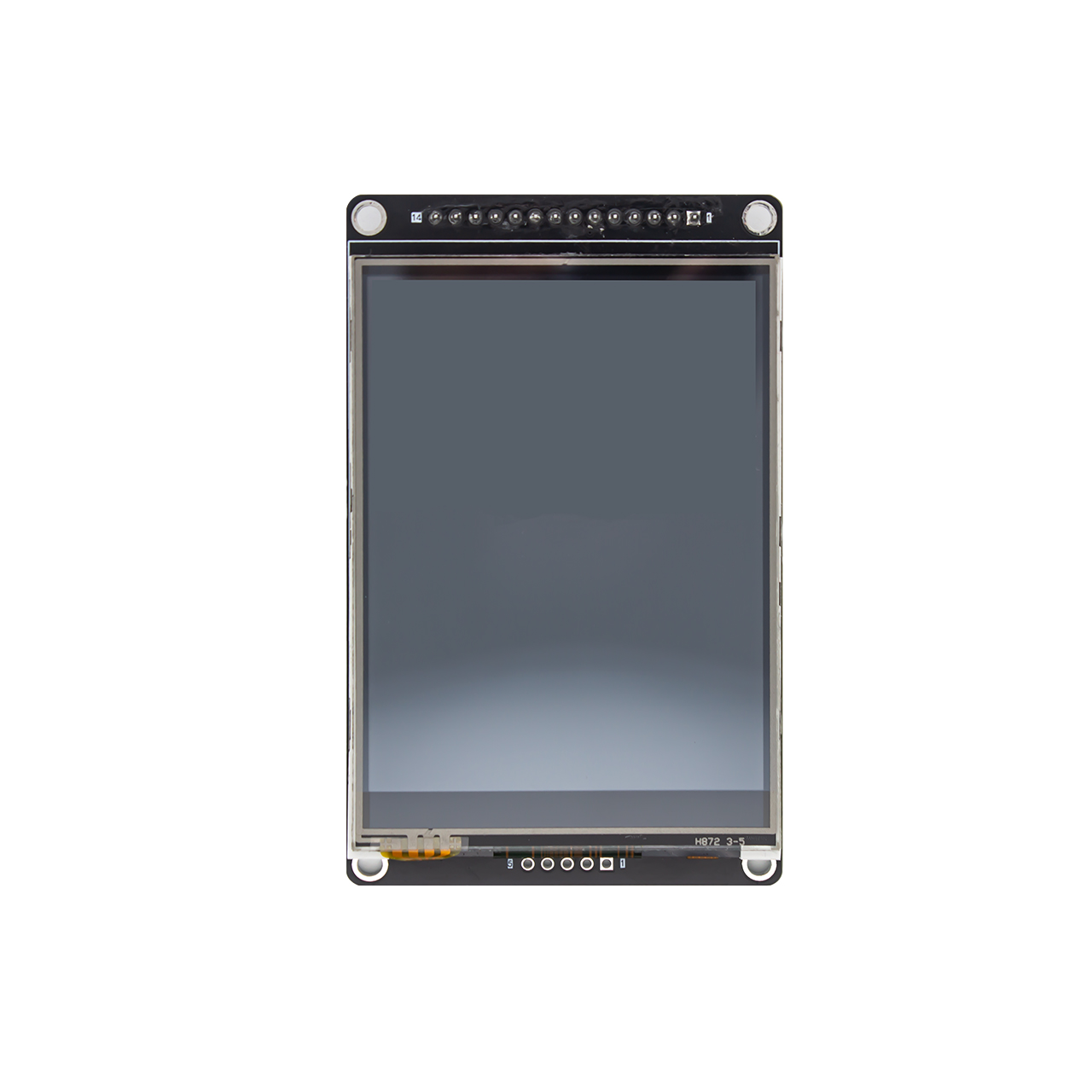
In terms of display performance, it offers a high brightness of 450 cd/m² and an ultra-wide viewing angle of U80/D80/R80/L80, guaranteeing excellent visual effects and readability from multiple angles and under constant-current test environments. Additionally, this TFT Display Module integrates an advanced resistive touch screen and comes with a PCB backplane, standard pin header sockets, and positioning mounting holes, greatly facilitating structural fixing and electrical connections. With its ultra-wide temperature tolerance, operating reliably from -30℃ to +80℃ in extreme environments, this screen is ideally suited for demanding applications such as industrial control, smart instrumentation, handheld devices, and various DIY IoT projects that require high reliability and ruggedness.
II. Core Product Highlights
As a popular TFT Display Module in the market, the HTM-H032A05-MCU-V1 offers the following notable differentiated advantages:
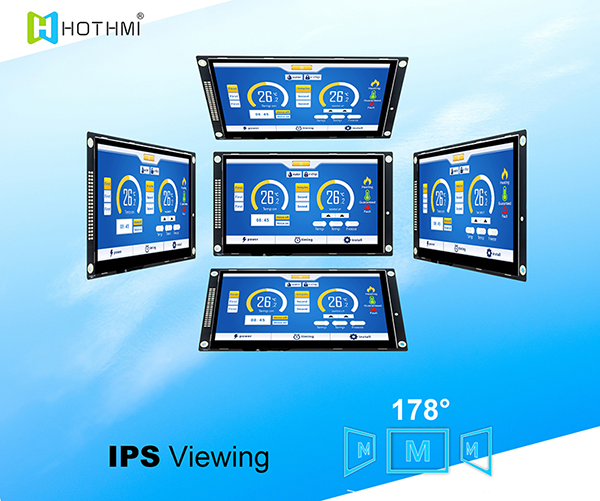
- IPS All-Angle Superior Visual Experience: Featuring an all-direction viewing angle design of U80/D80/R80/L80, it breaks through the limitations of traditional TN panels that suffer from color distortion and narrow viewing angles, ensuring that operators can observe clear, color-accurate images from any angle.
- Industrial-Grade Wide Temperature Tolerance: With both operating and storage temperatures reaching the stringent standard of -30℃ to +80℃, this TFT Display Module can operate continuously and stably even in freezing outdoor conditions in the far north or in high-temperature, enclosed industrial server rooms, without any sluggish response or black-screen failures.
- Revolutionary Solderless Metal Pin Header Design: The module’s backplane is equipped with 2.54mm standard-pitch dual-row gold-plated pin headers. Compared to traditional FPC flexible cable soldering, this pluggable structure supports plug-and-play functionality, effectively avoiding soldering defects such as cold joints and bridges during production, and also allows for hundreds of rapid, damage-free insertions and removals during the development phase.
- Robust Mechanical Structure and Integration: The PCB backplane features 4 φ3.10mm positioning mounting holes, allowing the TFT Display Module to be securely fastened to the chassis or bracket using screws, providing excellent vibration and impact resistance for the overall system.
- Comprehensive ESD Protection: The hardware circuit design has been deeply optimized to withstand up to 8KV of electrostatic discharge shock, significantly improving electrical reliability in touchscreen applications that involve frequent human contact.
III. Pin Function Description
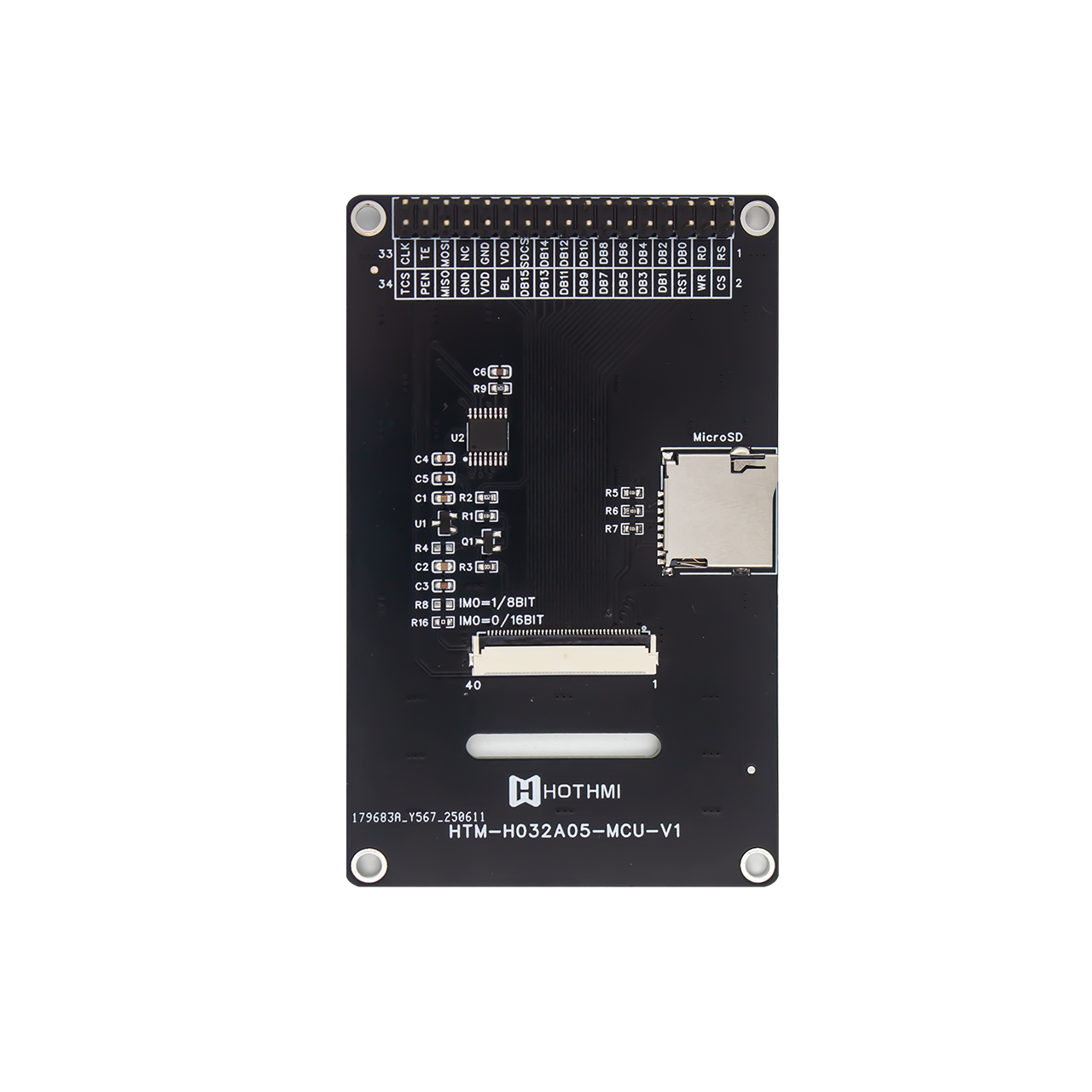
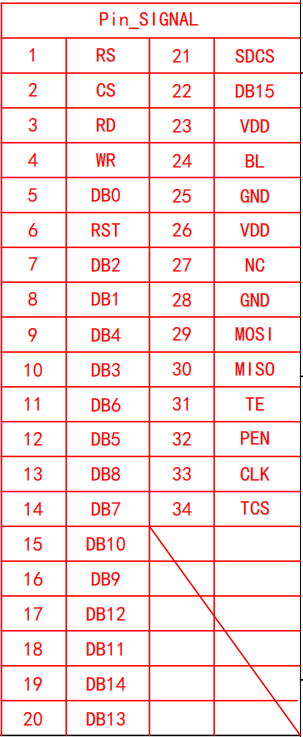
This TFT Display Module adopts a 34-pin interface design.
IV. Core Application Scenarios
Leveraging its high brightness, full viewing angles, superior wide-temperature characteristics, and flexible MCU interface, this TFT Display Module is widely applied in the following fields:
- Industrial Control and Instrumentation: PLC touch terminals, intelligent power monitors, CNC machine parameter displays, environmental testing instruments, etc.
- Smart Home and Small Appliances: Smart wall-hung boiler controllers, fully automatic coffee machine touch panels, smart gateway hubs, water purifier status display panels, etc.
- Medical and Portable Handheld Devices: Portable multi-parameter monitors, handheld infrared thermometers, smart warehouse barcode scanners, field data collection terminals, etc.
- Hardware Development Platforms and Education/Research: Compatible with mainstream microcontrollers and open-source development boards such as Arduino, STM32, ESP32, and C8051, making it ideal for university electronic design competitions, maker projects, and rapid prototyping of engineering samples.
V. Technical Q&A
Q1: What are the practical hardware advantages of the wide voltage support on this 3.2-inch TFT Display Module?
A1: Traditional TFT Display Module driver chips typically only support 3.3V logic voltage. If directly connected to traditional 5V microcontroller systems (such as classic 8051 or Arduino UNO), the level mismatch often burns out the display driver IC. However, the HTM-H032A05-MCU-V1 module supports a wide voltage adaptation for both VCI power supply and logic levels from 2.8V to 5.0V. This means engineers do not need to design additional, cumbersome level-shifting circuits in the peripheral circuitry, allowing seamless compatibility with both 3.3V and 5V mainstream MCU development boards. This not only saves PCB space but also significantly reduces overall BOM hardware costs.
Q2: What are MCU 8-bit/16-bit parallel interfaces, and how do I choose between them?
A2: The MCU interface is a classic parallel bus technology that enables direct read/write operations to the display’s frame buffer via the data bus.
In 8-bit mode, the MCU only needs to occupy 8 data lines (DB0~DB7) and transmits a full 16-bit pixel data through time-division multiplexing. The advantage is that it conserves the host microcontroller’s I/O pin resources.
In 16-bit mode, the MCU uses all 16 data lines (DB0~DB15) and can directly transmit 16-bit RGB565 color data within one write clock cycle. The advantage is doubled data throughput and extremely high display refresh rates, effectively eliminating lag or frame drops in high-dynamic interfaces and animations.
How to choose: If your MCU has limited pins available (e.g., a 48-pin package microcontroller), 8-bit mode is recommended. If you are using a high-performance, high-frequency main controller with abundant I/O (e.g., a 100-pin or 144-pin STM32 chip), it is highly recommended to enable 16-bit parallel mode for a smooth, fluid animation experience.
From minor concept tweaks to full custom redesign & development, our engineering team offers end-to-end technical support. Feel free to contact us for custom display demands or technical issues during product selection.