What Makes an Industrial Display Truly Reliable?
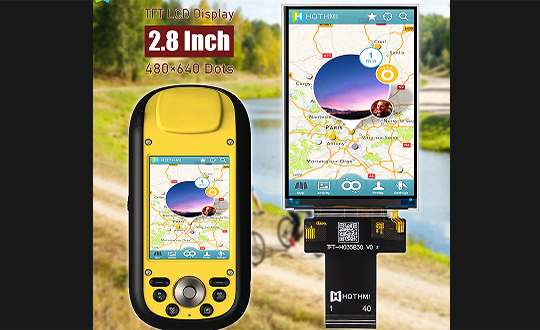
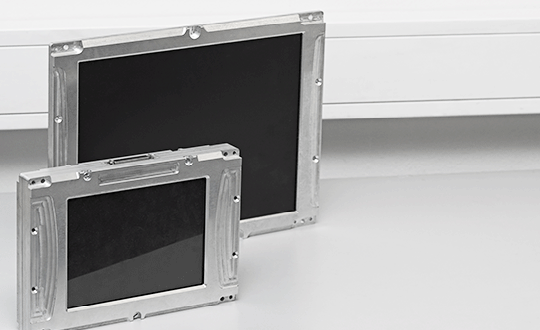
Industrial displays are built to endure extreme environments and deliver exceptional durability. Their typical uses span a broad spectrum, including industrial automation systems, medical instruments, military hardware, parameter metering devices, HMI (human-machine interface) control panels, HORECA equipment such as coffee machines, smart home setups, vending machines, and electric vehicle (EV) charging stations. In fact, these rugged screens are integrated into many aspects of our daily lives.
Key Factors in Selecting an Industrial Monitor
Given the stringent demands placed on industrial screens, reliability is paramount. They must consistently provide crisp visuals, function reliably over the long term, and survive harsh conditions. Below are the essential criteria to evaluate when choosing a display.
- Compliance with Industry Standards
It is crucial that the monitor adheres to relevant safety and sector-specific regulations. This guarantees it can handle severe electromagnetic interference, mechanical vibration, dust or liquid contamination, and extreme temperature fluctuations—ensuring safe and effective operation across various industrial settings. - Suitability for Continuous Operation
Manufacturing facilities often run multiple shifts, meaning equipment frequently operates around the clock, seven days a week. This demands exceptional durability and an extended backlight lifespan. Opting for robust technology minimizes the need for frequent replacements or maintenance interventions. - Flexible Connectivity
Modern industrial machinery must interface seamlessly with contemporary network infrastructures. To facilitate fast and efficient workflows, displays should support integration via Ethernet, Wi-Fi, CAN, RS485, and other industrial protocols. Such versatility ensures smooth communication and reliable data exchange among all system components. - Long-Term Spare Parts Availability
Extended downtime caused by an irreparable or unavailable display can severely impact production. To mitigate this risk, it is advisable to partner with manufacturers offering support for up to 15 years, thereby safeguarding the uninterrupted operation of mission-critical equipment.
Choosing the Right Display Technology for Industrial Environments
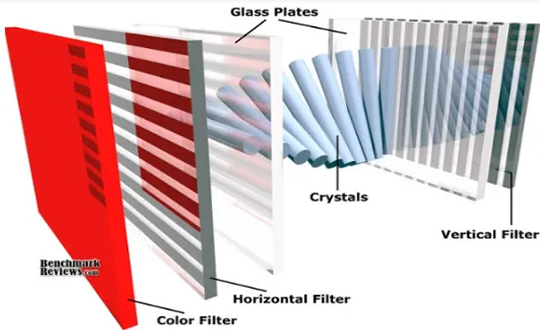
Having outlined the typical applications and core requirements, the next question is: which display type performs best under such challenging conditions? Among the various options, TFT LCD technology stands out as the dominant choice for several compelling reasons.
Its broad adaptability, superior image clarity, resilience to high temperatures, mechanical sturdiness, and extended operational life make TFT LCD screens the preferred solution for a vast array of industrial uses. Ongoing technological advancements continue to enhance these displays with higher resolutions, quicker response times, and improved viewing angles, further boosting their appeal for sophisticated and demanding applications.